

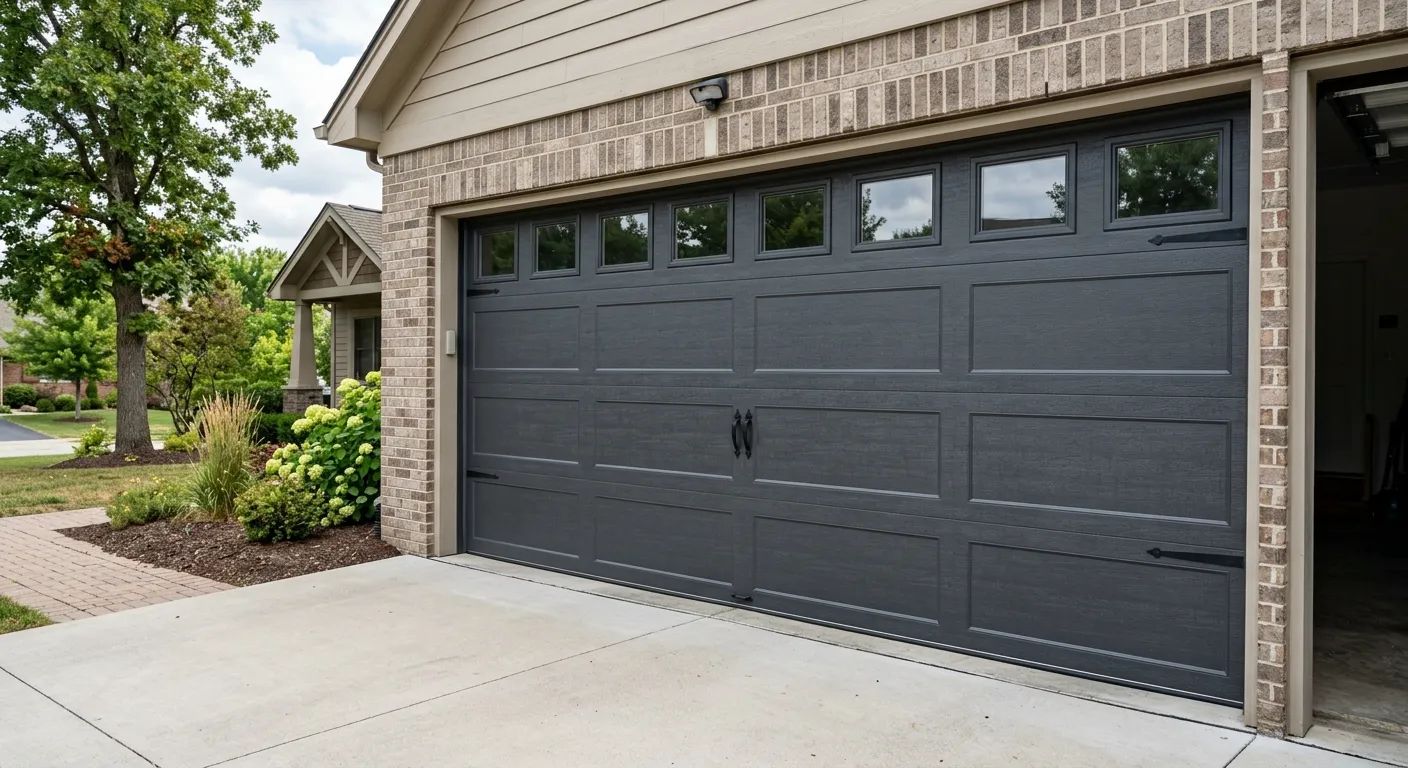
A loud garage door usually means dry moving parts, loose hardware, or a worn component that needs attention before the noise develops into a bigger repair down the road. A noisy garage door rarely fixes itself over time, and the exact sound it makes almost always points directly to the specific part causing the trouble.
Regular garage door maintenance helps homeowners catch noise issues early, before minor issues have a chance to turn into costly repairs. This guide covers the most common sounds, the causes behind them, and the maintenance habits that keep an overhead door running quietly for years to come.
Key Takeaways
- A noisy garage door usually points to dry parts, loose hardware, or a worn component
- Metal rollers and hinges need regular lubrication to prevent squeaking and grinding sounds
- Loose hardware from daily use causes rattling that worsens without prompt attention
- A loud bang near the spring area often signals a serious injury risk if ignored
- Professional repair identifies early warning signs that DIY fixes tend to miss completely
- Basic upkeep like lithium grease application extends the life of the entire garage door system
Different Garage Door Sounds and What They Mean
A garage door makes a distinct sound for nearly every underlying cause, and learning to tell them apart makes diagnosing the problem far easier.
|
Sound |
What It Usually Means |
Common Cause |
|
Squeaking or squealing |
Dry moving parts along the track or hinges |
Lack of lubrication |
|
Rattling or clanking |
Loose hardware shaking free during daily use |
Loose mounting brackets or bolts |
|
Grinding or screeching |
Worn garage door rollers inside the track |
Old steel or cracked nylon rollers |
|
Scraping |
The door has shifted out of proper alignment |
Bent or shifted track |
|
Loud bang near the spring area |
A broken spring or sudden failure |
Aging or damaged torsion springs |
To identify exactly which sound signals a minor issue versus a real warning sign, read our guide on What Are the Different Types of Garage Door Noises?, which breaks down each sound in far more detail.
What Causes a Garage Door to Get Noisy
Dry Moving Parts
Metal rollers, hinges, and springs lose their factory lubrication over time, and that lack of lubrication creates friction with every cycle.
Dry parts develop from these contributing factors:
- Factory lubrication wears off gradually with regular daily use
- Summer heat and cold both speed up how fast lubrication breaks down
- Dust and debris mix with old grease and reduce its effectiveness over time
- Long gaps between maintenance visits let dry spots go unnoticed for months
- Rubber seals and gaskets losing flexibility add extra friction near moving parts
Lithium grease applied to every dry contact point on a regular basis usually resolves this noise within one full cycle.
Loose Hardware

Daily use shakes nuts, bolts, and track brackets loose over time, and that movement creates a rattling or clanking noise throughout the door’s cycle.
Loose hardware develops from these contributing factors:
- Constant vibration from daily use gradually works fasteners loose
- Lag screws holding the track to the frame back out over time
- Temperature swings expand and contract metal brackets, loosening their grip
- Age and repeated cycles wear down the threads on bolts and screws
- A door running out of balance puts extra stress on every bracket
A quick pass with a socket set along every visible bolt and bracket on the door usually stops this noise for good.
Worn Rollers
Old steel rollers or cracked nylon rollers grind or screech as they move through the metal track, and the sound gets louder as the roller wears down further.
Worn rollers develop from these contributing factors:
- Years of daily use wear down the roller’s surface and bearings
- A lack of lubrication increases friction between the roller and track
- Metal rollers wear down faster without regular garage door maintenance
- Track alignment issues force rollers to grind against the metal unevenly
- Cheap or low-quality rollers wear out faster than steel or nylon alternatives
A roller showing visible cracks or flat spots needs prompt garage door repair before it fails completely and causes further damage.
Misaligned Tracks
Bent or shifted tracks force the door to scrape and grind as it moves, creating one of the more noticeable unusual sounds a garage door makes.
Misaligned tracks develop from these contributing factors:
- A minor impact from a vehicle or object gradually shifts the track
- Loose mounting brackets let the track drift out of position over time
- An unbalanced door pulls unevenly against the track with every cycle
- Age and repeated use gradually loosen the track’s connection to the frame
- Poor installation from the start leaves the track prone to shifting
A track left unaddressed for too long often turns into a full off-track garage door needing urgent professional repair before further damage occurs.
Loose Chain or Belt
A sagging or dry opener chain slaps against the rail with every cycle, and a belt drive missing tension creates a similar rhythmic noise during operation.
A loose chain or belt develops from these contributing factors:
- Regular use gradually stretches the chain or belt beyond its original tension
- A lack of lubrication on the chain drive increases friction and noise
- Age causes belt drives to lose elasticity and start slipping
- Temperature swings affect how tightly a chain or belt holds its tension
- Skipped maintenance visits let tension issues build up unnoticed over time
Tightening the opener chain to the manufacturer’s exact spec on a routine basis usually resolves this slapping noise for good.
Spring Issues
Aging or broken torsion springs cause some of the loudest and most alarming sounds a garage door makes, often without much warning beforehand.
Spring issues develop from these contributing factors:
- Years of daily use gradually fatigue the metal inside the coil
- Extreme tension from repeated cycles wears down the spring’s structure
- Rust and corrosion from moisture weaken the coil over time
- The wrong spring size creates uneven strain that speeds up failure
- Extension springs and torsion springs both wear differently under repeated stress
A spring showing any of these signs needs prompt spring replacement, often paired with a full garage door installation check for older systems.
How to Fix a Garage Door Making Noise

Fixing a noisy garage door starts with pinpointing the source of the noise, since the right fix depends entirely on which part is causing the problem.
These fixes address the most common causes of garage door noise:
- Applying lithium grease to hinges, rollers, and springs solves most dry-part squeaking
- Tightening mounting brackets and hinge bolts with a socket set stops most rattling
- Replacing worn rollers with new nylon rollers eliminates grinding inside the track
- Realigning a shifted track resolves scraping noises during the door’s cycle
- Adjusting chain drive tension stops the slapping sound during operation
To resolve each of these issues with the right tools and technique, read our guide on How to Fix a Noisy Garage Door, which breaks down the exact repair steps for every noise type covered here.
How Professionals Handle Garage Door Noise
A trained technician diagnoses garage door noise by testing each moving part individually, catching problems a quick homeowner inspection might miss.
Professional repair typically follows this general process:
- The technician runs the door through several cycles to isolate the noise
- Metal parts get inspected closely for wear, cracks, or misalignment
- A damaged roller, hinge, or bracket gets replaced with matching hardware
- Track alignment gets corrected using proper tools built for the job
- The full garage door system gets tested again to confirm quiet operation
Professional expertise matters most near the spring system, since extreme tension in the coil creates a genuine serious injury risk without proper training.
Maintenance Steps That Keep a Garage Door Quiet
Consistent garage door maintenance prevents most noise issues before they start, since dry parts and loose hardware both develop gradually rather than overnight.
These maintenance habits keep a garage door running quietly:
- Applying lithium grease to rollers, hinges, and springs every few months
- Wiping tracks clean with a damp cloth to remove dust and debris
- Checking mounting brackets and hinge bolts for looseness every season
- Inspecting garage door springs for visible wear before problems develop
- Clearing spider webs and debris from tracks that collect dirt over time
To apply lubricant correctly and on the right schedule, read our guide on How to Properly Lubricate a Garage Door to Prevent Noise, which walks through exactly where, how, and how often to lubricate each part.
Garage Door Noise Usually Traces Back to Wear and Neglect
A noisy garage door almost always has a clear, fixable cause once someone checks the moving parts involved carefully and matches the exact sound to its true source. Addressing the problem early prevents a minor issue from requiring a full repair visit and protects the rest of the system from added strain.
MF Solutions gives Buffalo Grove, IL homeowners a clear answer to a loud garage door and the exact fix needed to resolve it correctly for good on the first visit. Contact us or give us a call today, and let our trained technicians restore quiet operation to your garage door system for the long term ahead.