

Insulated garage doors are the better option for most homes because they deliver superior energy performance, structural durability, and everyday comfort. The decision goes beyond upfront cost and touches everything from garage door installation quality to how well the door holds up through years of seasonal change.
Non-insulated doors still serve a purpose in the right setting, but they fall short in homes where the garage connects to the living space or faces extreme weather conditions. Knowing what each door type actually offers makes it possible to choose the one that fits the home without second-guessing the investment later.
Why Knowing the Difference Between Garage Door Insulation Types Matters
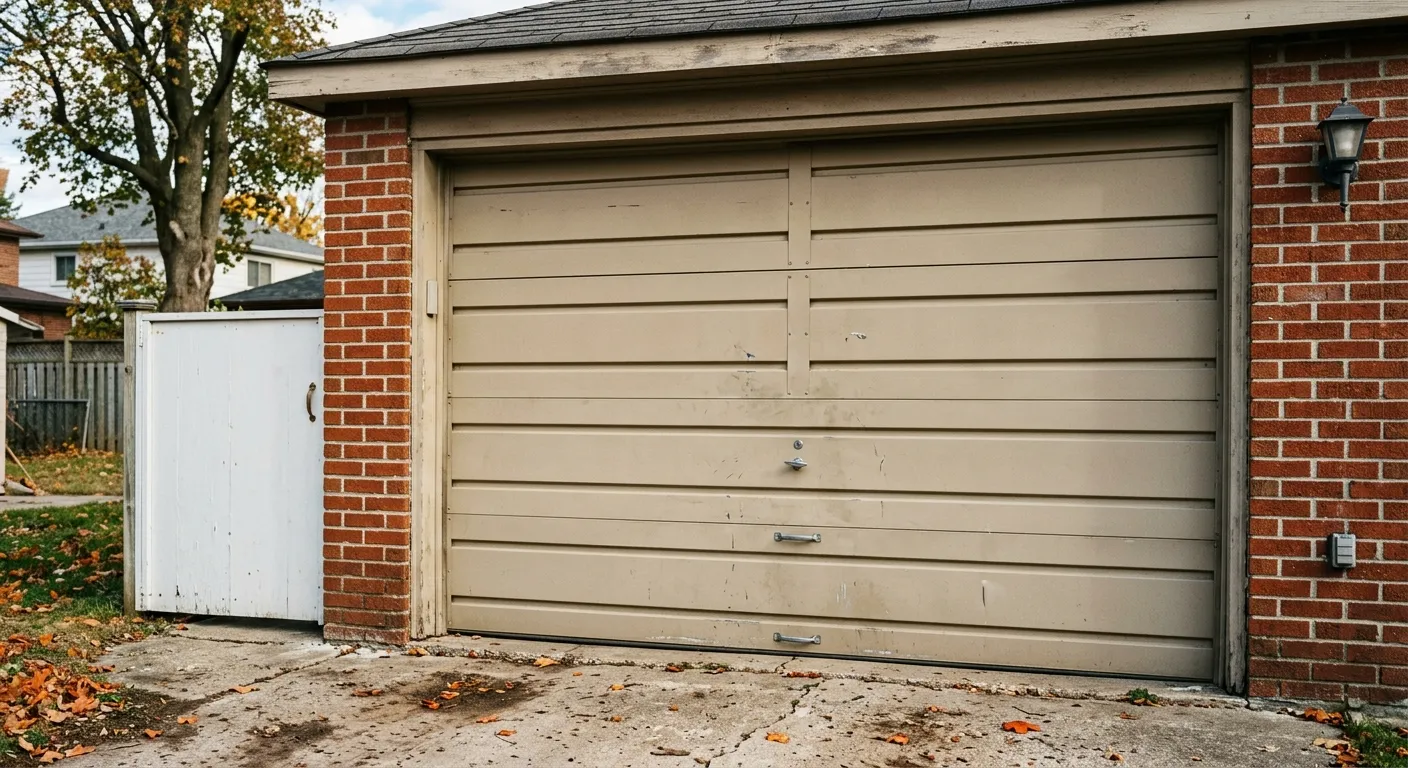
Choosing the wrong garage door type creates performance gaps that only become apparent after energy bills rise, indoor comfort drops, and the door wears out faster than expected.
Factors that make this choice matter more than most people realize include:
- Thermal performance directly affects comfort in attached garages
- No insulation forces HVAC systems to overcompensate for temperature loss
- Long-term energy savings offset the higher cost of insulated doors
- Insulation type determines performance in extreme seasonal conditions
- Single-layer panels wear out faster under daily use
To explore the full financial and comfort case for this upgrade, read our guide on Are Insulated Garage Doors Worth It?, which covers everything homeowners need to make a confident purchase decision.
Key Differences Between Insulated and Non-Insulated Garage Doors
Choosing between these two door types comes down to understanding how their construction affects real-world performance across five key areas.
|
Factor |
Insulated |
Non-Insulated |
|
Energy Efficiency |
Blocks heat transfer with foam core |
Zero R-value, no thermal resistance |
|
Noise Reduction |
Absorbs vibrations and outside sound |
Transfers noise freely through panels |
|
Durability |
Rigid multi-layer construction |
Flexible single-layer, dents easier |
|
Cost |
Higher upfront, lower long-term costs |
Lower upfront, higher long-term costs |
|
Weight |
Heavier, requires compatible opener |
Lighter, works with standard openers |
Key performance differences worth examining in detail include:
Energy Efficiency and Temperature Control
Insulated garage doors create a thermal barrier that limits heat transfer, keeping the garage warmer in winter and cooler in summer.
Key differences in energy efficiency and temperature control include:
- Insulated: Uses multi-layer steel-foam-steel construction with varying R-values to block heat transfer, making attached garages usable as a workshop, home gym, or living-adjacent space
- Non-Insulated: Built from a single sheet of steel or aluminum with no thermal resistance, allowing outside temperatures to pass through freely and affect adjacent rooms
Limiting heat flow through the garage door is one of the most direct ways to improve a home’s energy efficiency and reduce strain on heating and cooling systems.
Noise Reduction
The foam core inside insulated garage doors absorbs sound vibrations, making daily operation quieter and limiting outside noise from entering the garage.
Key differences in noise reduction include:
- Insulated: Multi-layer construction absorbs mechanical vibrations and outside sounds, reducing noise pollution from street traffic, wind, and the door’s own operation
- Non-Insulated: Single-layer panels transfer vibrations freely, allowing neighborhood noise and mechanical rattling to travel into and through the garage space
Panel mass in insulated doors directly affects how much sound passes through during both operation and exposure to the outside.
Durability and Dent Resistance
Multi-layer insulated doors are structurally stronger than single-skin models because the bonded foam core adds rigidity across every panel.
Key differences in durability and dent resistance include:
- Insulated: Bonded foam between steel layers creates a rigid panel that resists dents from everyday impacts, maintains alignment through temperature changes, and holds up longer under daily use
- Non-Insulated: Single-skin construction is lighter and more flexible, making panels more vulnerable to dents, bending, and warping from wind pressure and physical contact
Scheduling garage door repair early when panel damage appears prevents further structural decline and keeps the door operating at full performance.
Cost and Installation
Non-insulated doors carry a lower initial investment, but insulated doors deliver energy savings that close the cost gap over time.
Key differences in cost and installation include:
- Insulated: Higher upfront investment due to added materials and manufacturing, but long-term reductions in energy bills and fewer repairs make it the stronger financial choice for attached garages
- Non-Insulated: Most budget-friendly option at the point of purchase, making it a practical choice for detached garages, storage-only spaces, or short-term ownership situations
Attached garages see the strongest financial return from garage door replacement because thermal performance gains directly reduce monthly energy costs.
Weight and Opener Strain
Insulated garage doors are heavier than non-insulated ones, which means the spring system and opener must be properly matched to handle the added load.
Key differences in weight and opener strain include:
- Insulated: Added foam core and extra steel layer increases door weight, requiring a garage door opener rated for higher loads and properly calibrated spring tension to operate smoothly
- Non-Insulated: Lighter build puts less daily strain on the opener motor and works with standard spring and opener configurations without additional assessment
Routine garage door maintenance on springs and opener components ensures the system stays properly matched to the door’s weight over time.
Which Type of Garage Door Is the Better Long-Term Investment?
Insulated garage doors deliver stronger long-term value across energy savings, structural lifespan, and home resale impact.
|
Factor |
Insulated |
Non-Insulated |
|
Energy Savings |
Reduces monthly heating and cooling costs |
No impact on energy bills |
|
Structural Lifespan |
Multi-layer build resists wear longer |
Single-layer panels wear faster |
|
Home Resale Value |
Signals energy efficiency to buyers |
Minimal impact on resale appeal |
|
HVAC Strain |
Reduces system workload year-round |
No reduction in HVAC demand |
|
Hardware Longevity |
Insulation protects internal components |
Hardware exposed to moisture and heat |
To explore how thermal performance translates into real comfort gains inside the home, read our guide on How Insulated Garage Doors Keep Homes Warmer, which details the practical advantages insulated doors deliver across every season.
How to Choose the Right Garage Door Insulation
The best garage door insulation for a home depends on how the garage is used and what level of thermal performance the home actually needs.
Factors that help narrow down the right insulation choice include:
- Attached garages sharing walls with living spaces need a higher R-value
- Garages used as a home gym or workshop need stable year-round temperatures
- Polyurethane insulation offers higher R-values and rigidity for extreme climates
- A garage door insulation kit is a practical entry-level thermal upgrade
- Detached garages in mild climates perform well with polystyrene insulation
To find out whether the home is already showing signs that a better door is needed, read our guide on Signs a Home Needs Insulated Garage Doors, which covers the indicators that point to an underperforming garage door.
Make the Right Call Between Insulated and Non-Insulated Garage Doors
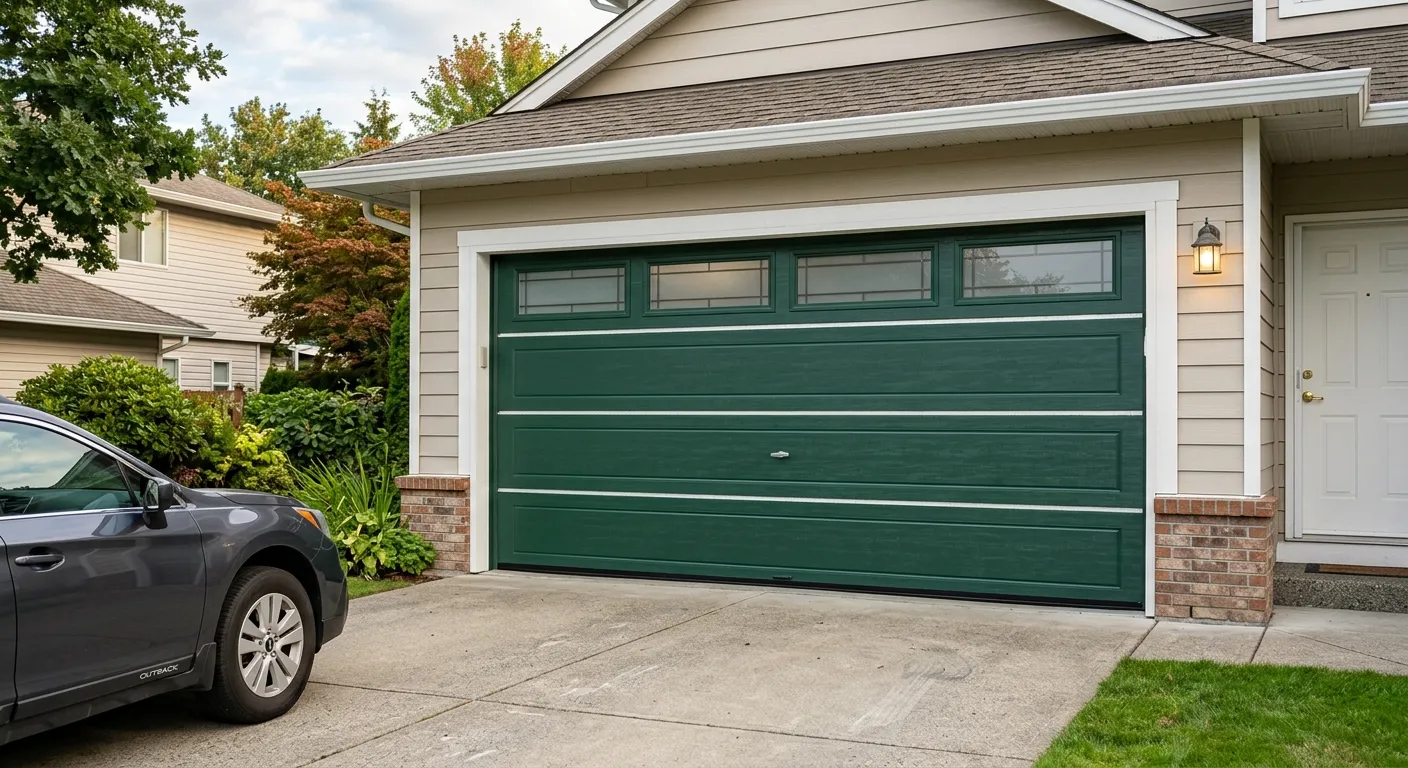
Insulated garage doors deliver measurable advantages in energy efficiency, structural durability, and noise reduction that non-insulated doors cannot match. Homeowners who invest in the right door type get the strongest long-term return across every season, from energy savings to structural performance.
MF Solutions proudly serves Buffalo Grove, IL homeowners who are ready to move from a non-insulated door to one built for real thermal performance and lasting durability. Contact us or give us a call today and let our team assess every insulation option available and help determine the best fit for the home.