

Insulated garage doors are worth the investment because they reduce heat loss, lower energy bills, and make the garage more comfortable throughout every season. Every layer inside the door works to slow heat transfer, block outside noise, and keep the garage space stable no matter what the weather is doing.
Garage door installation is a long-term decision, and the type of door chosen directly determines how much comfort, energy savings, and durability the home gains over time. Understanding what insulated garage doors actually deliver makes it much easier to decide whether the upgrade is worth the cost.
What Are Insulated Garage Doors and How Do They Work?
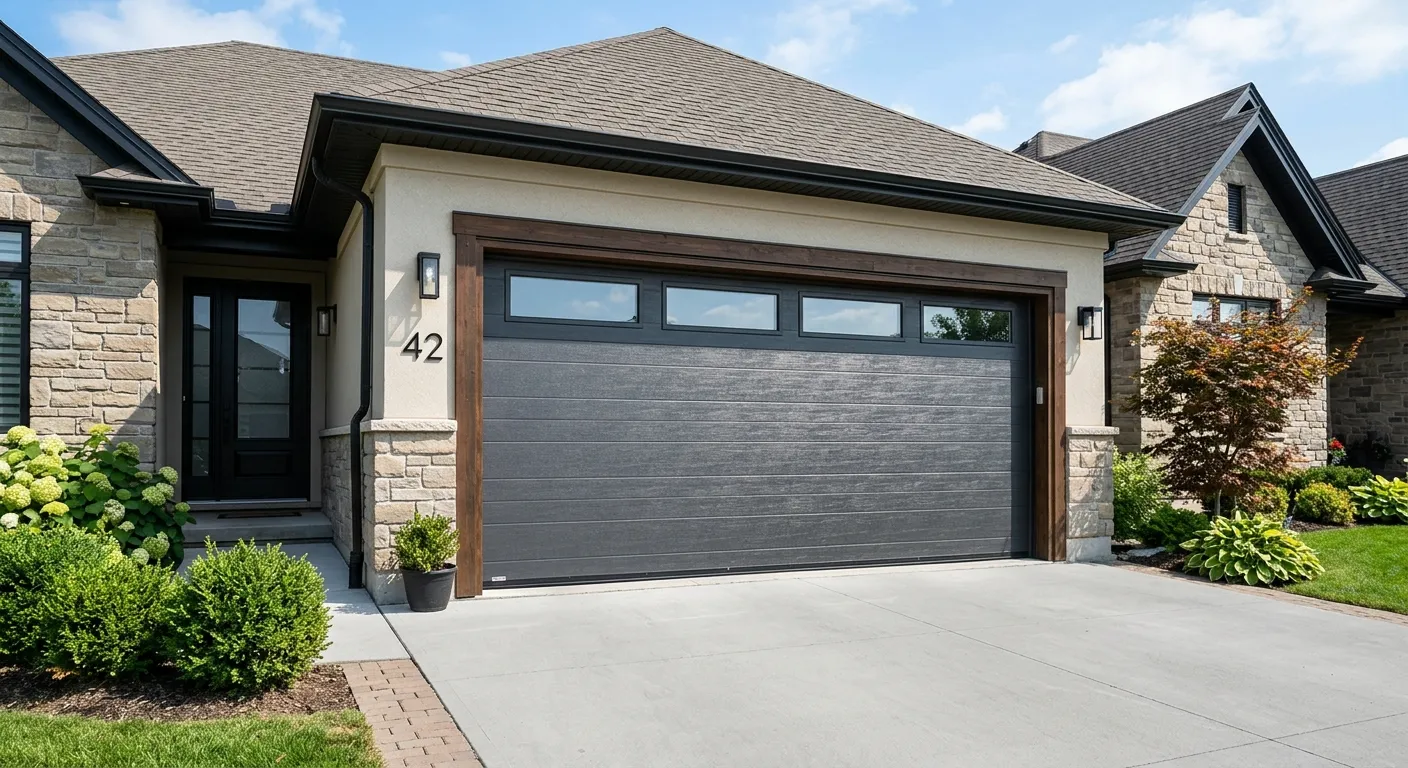
An insulated garage door is a multi-layer door system made up of steel skins, a thermal barrier, and a core insulation material that work together to regulate temperature, dampen noise, and reinforce the door’s structural strength.
Here is how the system works:
- Steel skins on both sides sandwich the insulation, blocking air movement.
- A thermal barrier in the middle slows the passage of heat or cold.
- Polystyrene panels or polyurethane foam fill the cavity, eliminating air gaps.
- Weatherstripping on the edges and bottom seals gaps between the door and frame.
- All layers working together produce consistent indoor temperatures year-round.
To understand how these layers translate into real warmth and comfort, read our guide on How Insulated Garage Doors Keep Homes Warmer, which breaks down how each component contributes to a more energy-efficient garage space.
Key Differences Between Insulated and Non-Insulated Garage Doors
Knowing what sets an insulated door apart from an uninsulated one helps homeowners evaluate which option offers more value for their specific situation.
|
Feature |
Insulated Door |
Non-Insulated Door |
|
Temperature Control |
Maintains consistent indoor temperatures |
Allows outside temperatures to pass through freely |
|
Durability |
Multi-layer construction resists dents and warping |
Single-layer panels flex and wear faster |
|
Noise Reduction |
Foam core dampens sound from the operation and outside |
Hollow construction amplifies noise |
|
Energy Efficiency |
Reduces demand on heating and cooling systems |
Contributes to higher energy costs year-round |
|
Structural Strength |
Rigid and solid due to insulation bonding |
Prone to bending under pressure |
|
Best For |
Attached garages, extreme climates, and frequent use |
Detached garages, mild climates, minimal use |
To weigh both options side by side and determine which one makes the most sense for the home, read our guide on Insulated vs Non-Insulated Garage Doors: Which Is Better?, which covers every major performance category in detail.
Types of Garage Door Insulation
The type of insulation inside a garage door directly determines how well it controls temperature, absorbs noise, and holds up over time.
|
Insulation Type |
How It Works |
Best For |
|
Polystyrene Panels |
Pre-cut foam boards inserted between door skins |
Homeowners looking for moderate performance at a lower cost |
|
Polyurethane Foam |
Injected into the door cavity and expands to fill every gap |
Maximum R-value, structural strength, and noise reduction |
|
Reflective Foil |
Radiant barrier that deflects heat away from the door surface |
Hot climates and retrofit installations |
|
Fiberglass Batt |
Cut-to-fit insulation pressed into door panels |
DIY upgrades using a garage door insulation kit |
Choosing the right insulation type comes down to the local climate, how the garage is used, and how much thermal performance the door needs to deliver.
Key Benefits of Insulated Garage Doors
Improved Energy Efficiency and Lower Utility Bills
Insulated garage doors reduce heat transfer through the door, lowering the demand on the home’s heating and cooling system.
Key ways insulated doors improve energy efficiency:
- Heat loss through an uninsulated door raises monthly energy costs.
- Multiple insulation layers prevent extreme temperature swings inside the garage.
- Lower HVAC demand means the equipment runs fewer cycles daily.
- Garages sharing walls with living spaces see the most direct impact on energy bills.
- Consistent thermal performance makes insulated doors a high-impact home energy upgrade.
Reducing heat loss through the garage door is one of the most overlooked ways homeowners lower monthly utility costs season after season.
Better Indoor Temperature Control
Garage door insulation keeps indoor temperatures stable, which directly benefits any garage connected to a living space.
Here is how insulated doors support better temperature control:
- Polystyrene and polyurethane cores buffer the garage from outdoor extremes.
- Attached garages transfer less cold or heat into adjacent living spaces.
- Mechanical systems in the garage run more efficiently in stable conditions.
- Winter lows no longer reach levels that damage stored vehicles and equipment.
- Summer heat buildup is reduced, keeping the garage usable year-round.
Temperature stability is one of the most consistent day-to-day advantages an insulated door delivers to the home.
Noise Reduction
Insulated garage doors dampen sound in both directions, cutting noise during operation and blocking outside noise from entering.
Ways insulated doors outperform non-insulated ones in noise:
- Polyurethane foam eliminates the hollow-resonance effect in single-layer doors.
- Door vibration is absorbed by the insulation, not transferred into the home.
- Street noise and storms are noticeably quieter inside an insulated garage.
- Adjacent rooms experience quieter conditions with proper insulation below.
- A quieter door places less strain on the garage door opener components.
Noise reduction is one of the first things homeowners notice after upgrading, and it improves comfort throughout the home.
Enhanced Durability and Security
Multi-layer construction makes insulated garage doors stronger and more resistant to impact, warping, and forced entry than single-skin doors.
Reasons insulated doors hold up better over time:
- Polyurethane bonded to both steel skins resists denting far better than hollow panels.
- The insulation core prevents flexing under wind pressure or impact.
- The core stabilizes the steel skins and reduces warping caused by temperature changes.
- Added mass and rigidity make panels harder to compromise.
- Hardware experiences less stress when the door holds its shape daily.
Prompt attention to garage door repair preserves the structural integrity and security that multi-layer insulated doors are built to deliver.
Protection for Stored Belongings
Extreme temperature swings inside an uninsulated garage put stored vehicles, tools, and household items at risk over time.
What insulated doors protect against:
- Freezing temps crack rubber seals, degrade batteries, and thicken vehicle fluids.
- Summer heat warps wood, degrades paint, and damages stored electronics.
- Seasonal equipment lasts longer in a stable garage environment.
- Paint, adhesives, and chemicals perform better with consistent temperatures.
- Everything stored inside benefits from a more controlled climate year-round.
Routine garage door maintenance keeps the door properly sealed and insulated, so everything stored inside stays protected through every season.
Increased Property Value
Insulated garage doors improve both curb appeal and home performance, which translates directly into stronger resale value.
How an insulated door adds value to the property:
- Curb appeal improves immediately with a modern insulated door design.
- Energy-efficient features attract buyers who factor operating costs into decisions.
- A high-performance door signals the home has been upgraded with quality in mind.
- Garage door replacement ranks among the top projects for resale return on investment.
- Buyers in colder markets place a higher value on energy-efficient upgrades.
Insulated garage doors deliver measurable returns at resale, making them one of the strongest home improvement investments available.
Signs a Garage Door Needs an Upgrade
Recognizing the warning signs early helps homeowners decide whether the current door is still worth keeping or whether an upgrade makes more sense.
Common signs a garage door needs an upgrade:
- The garage feels drafty or uncomfortable regardless of the season.
- Energy bills have been climbing without a clear explanation.
- The door rattles, shakes, or makes grinding sounds during operation.
- Visible dents, cracks, or warped panels are reducing the door’s ability to seal properly.
- The door feels thin, flimsy, or requires frequent adjustments to operate smoothly.
To identify which of these signs apply and what they mean for the home, read our guide on Signs a Home Needs Insulated Garage Doors, which walks through each indicator and explains what action makes the most sense for each situation.
How to Choose the Best Garage Door Insulation
Choosing the best garage door insulation comes down to matching thermal performance to the local climate and how the garage is used.
Key factors to consider:
- R-value measures heat resistance, with higher numbers meaning better performance.
- Polyurethane foam delivers maximum insulation, noise reduction, and structural strength.
- Polystyrene panels offer moderate performance at a lower price point.
- Garage usage determines what level of insulation the space actually needs.
- Weatherstripping quality affects overall thermal performance as much as the insulation itself.
Matching insulation type to climate, budget, and garage use leads to a door that performs well and delivers lasting value.
What to Consider Before Making a Decision
Choosing the right insulated garage door starts with evaluating climate, garage use, and budget before making a purchase.
Key considerations before making a decision:
- Buffalo Grove winters demand a door rated for extreme cold with a minimum R-value of R-12.
- Attached garages sharing walls with living spaces benefit most from higher insulation levels.
- Garage usage determines the right insulation type for the space.
- Long-term energy savings and durability gains should factor into the budget decision.
- Added door weight may require an upgrade to the garage door opener.
Taking these factors into account before purchasing leads to an informed choice that delivers real value over time.
Stop Overpaying on Energy Bills and Upgrade to Insulated Garage Doors Today
Insulated garage doors deliver real, measurable value through lower energy bills, better temperature control, and a stronger, quieter door that holds up through every season. Every layer of insulation works together to make the garage more comfortable, more efficient, and more secure for the long term.
MF Solutions serves Buffalo Grove homeowners who are ready to upgrade to a door that performs as hard as the seasons demand and adds lasting value to the home. Contact us or give us a call today, and let our team walk you through the best insulated door options that fit your garage, budget, and goals.