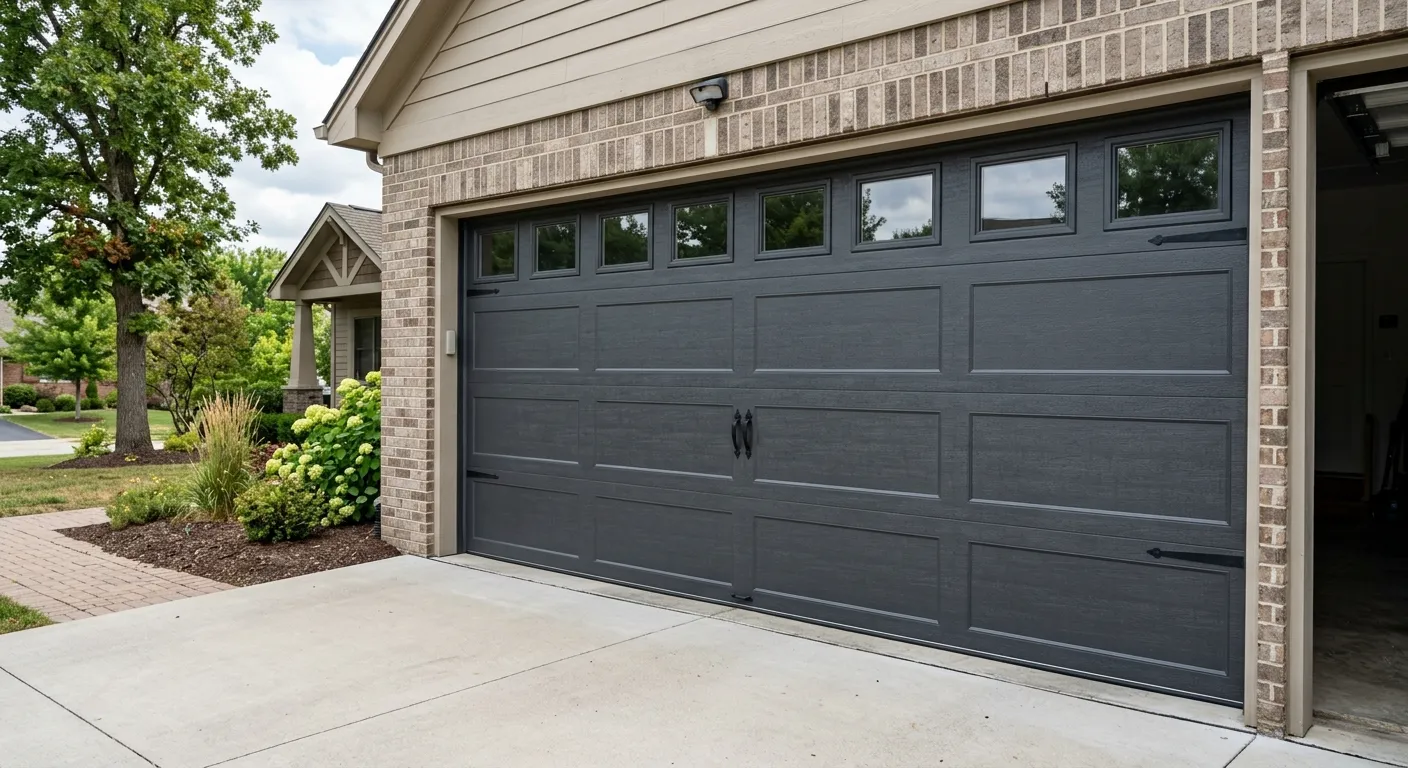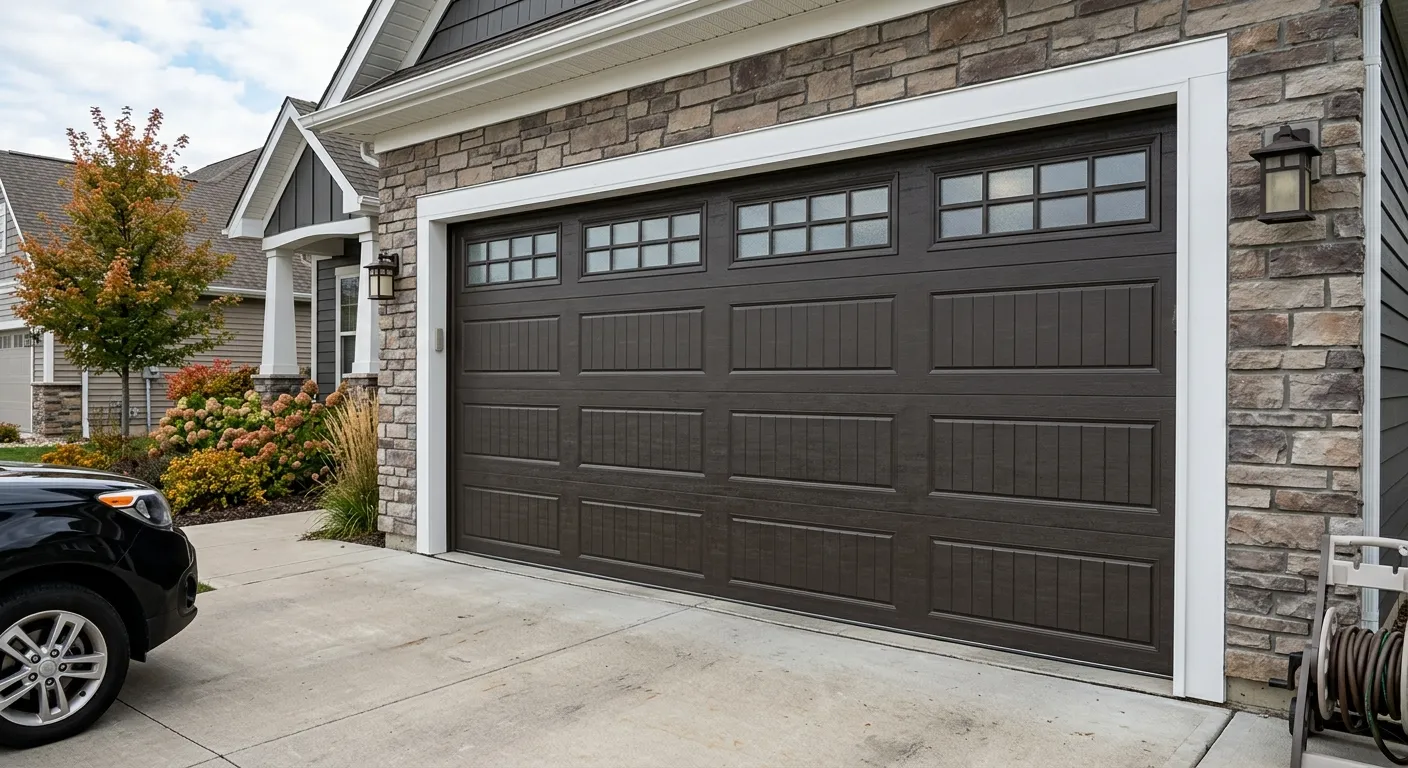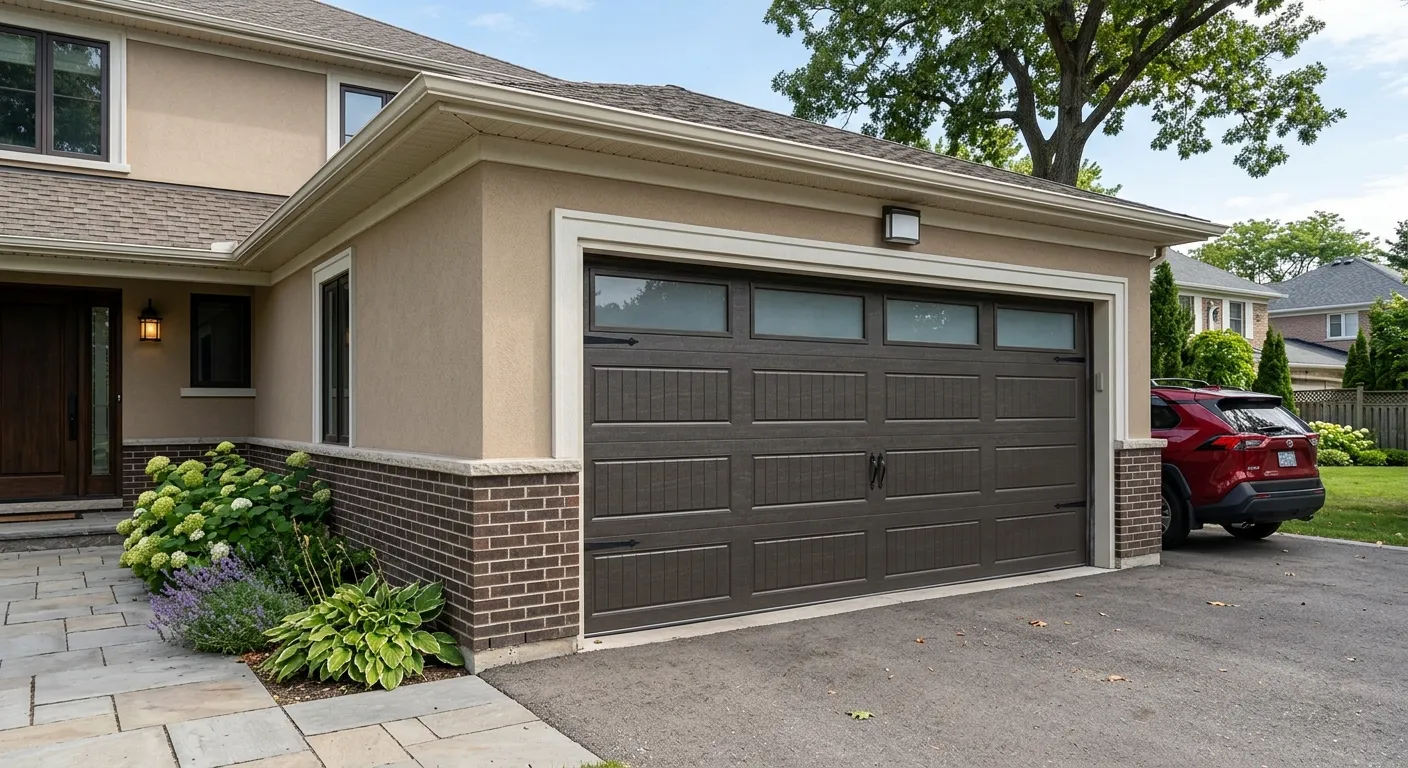

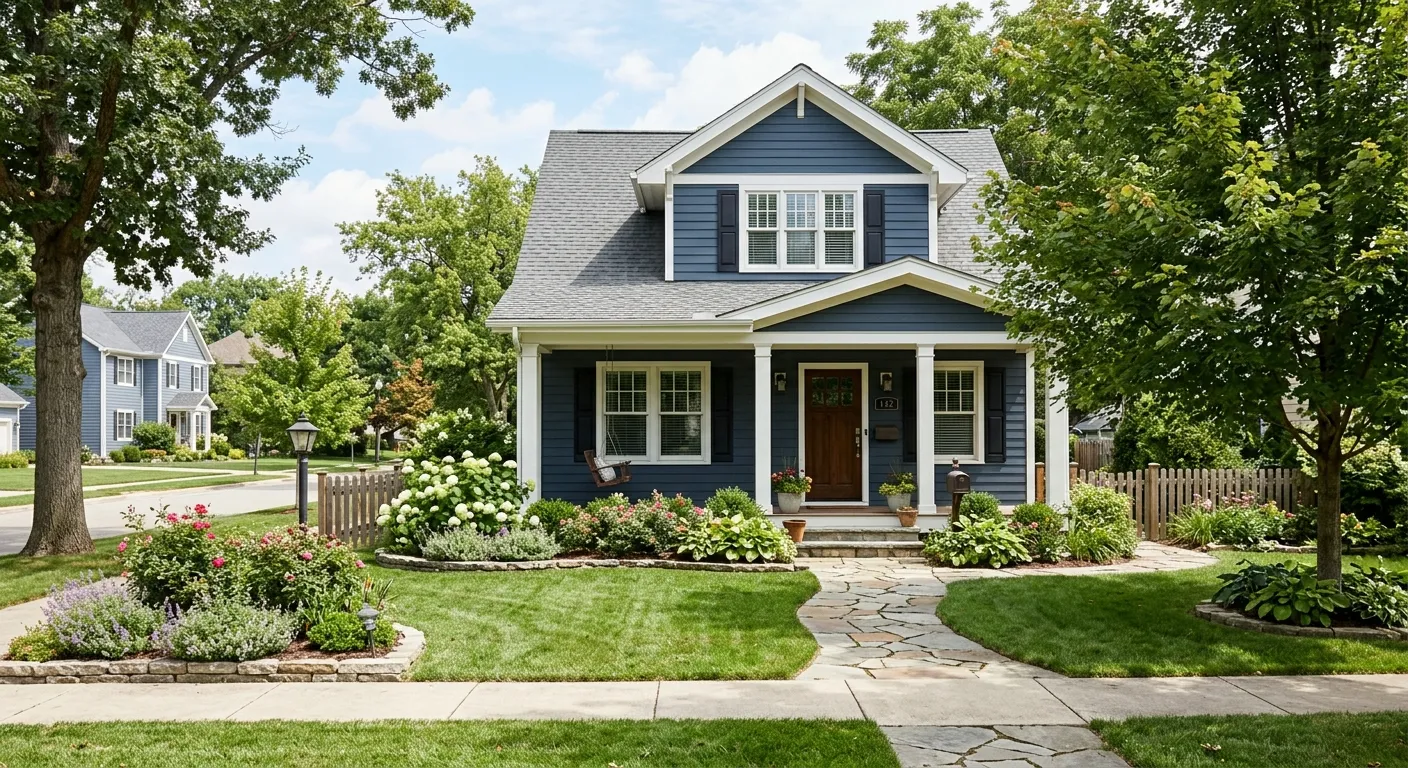
A home needs insulated garage doors when the garage experiences extreme temperature swings, rising energy bills, outside noise, and visible door damage, all of which signal poor thermal performance. These signs indicate that the current door is no longer serving as an effective barrier between the living space and the outdoors.
Garage door installation that includes proper insulation is one of the most impactful upgrades an attached home can receive for energy performance and everyday comfort. Knowing what these signs look like and why they occur makes it easier to act before the problem spreads further in the home.
Can Insulated Garage Doors Make a Home More Energy Efficient?
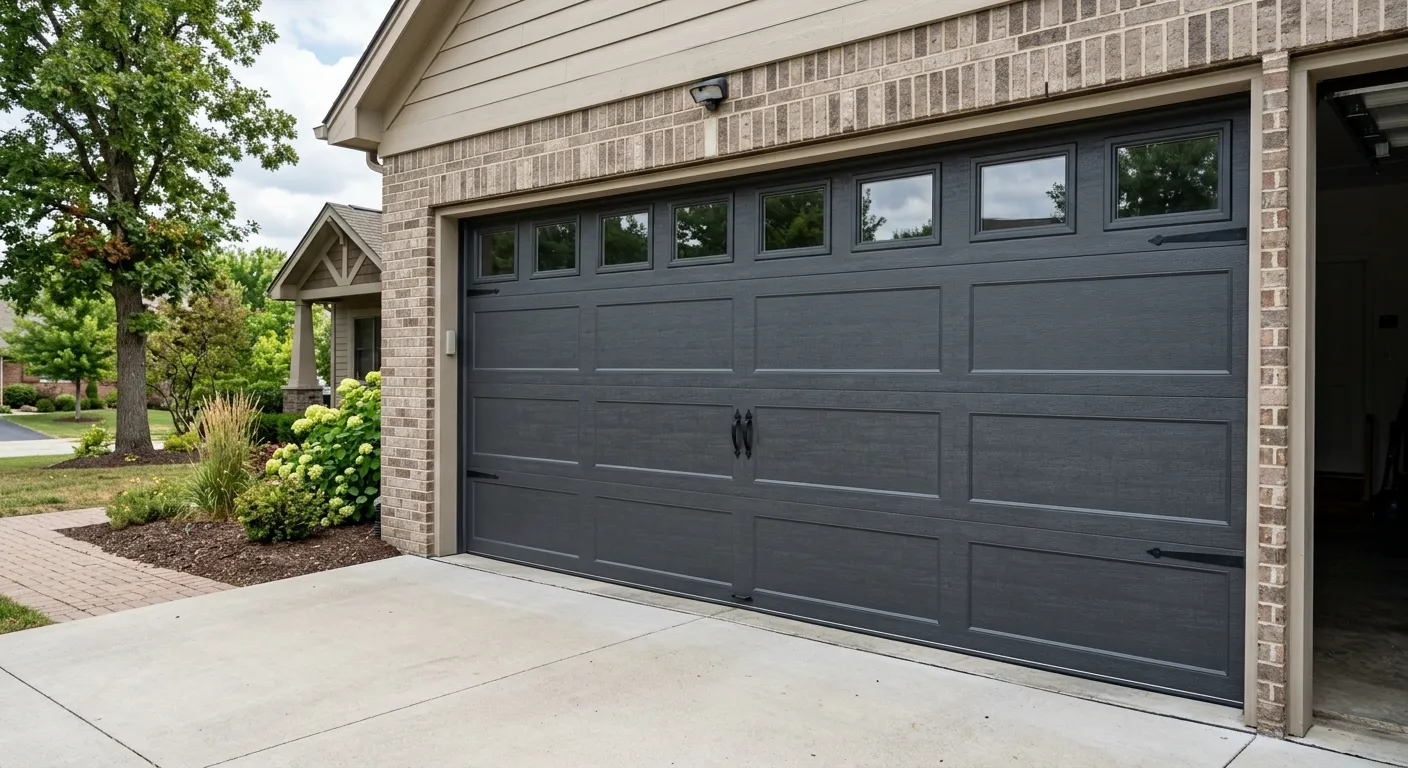
An insulated garage door acts as a thermal barrier that slows heat transfer between the garage and the outdoors, and without that barrier, the effects are felt throughout the home in ways that are hard to ignore.
Signs that poor garage door insulation is already affecting the home include:
- Garage and living space temperatures become more extreme each season.
- Energy bills trend upward without any change in usage habits.
- Adjacent rooms feel harder to heat or cool than the rest of the house.
- Drafts near the garage entry door trace back to gaps in the door.
- The HVAC system runs longer cycles to compensate for energy loss.
To understand whether upgrading makes financial and practical sense for the home, read our guide on Are Insulated Garage Doors Worth It?, which covers the full cost-benefit breakdown homeowners need to make an informed decision.
How Insulated Garage Doors Work
Insulated garage doors use layered construction and insulation to slow heat transfer and maintain consistent temperatures inside the garage.
Key components that make insulated garage doors work include:
- Polystyrene panels provide moderate insulation between door layers.
- Polyurethane insulation bonds with the steel for a denser thermal barrier.
- Composite or vinyl layers improve structural strength and insulation performance.
- Weatherstripping seals gaps where cool and warm air escapes.
- Multi-layer steel construction blocks outside temperatures from entering.
To explore how this directly impacts warmth and comfort inside the home, read our guide on How Insulated Garage Doors Keep Homes Warmer, which breaks down the specific ways insulation technology keeps heat where it belongs.
Signs a Home Needs Insulated Garage Doors
Extreme Temperature Fluctuations Inside the Garage
Dramatic temperature swings inside the garage are a direct sign that the door is no longer functioning as an effective thermal barrier against outside conditions.
Signs of extreme temperature fluctuations inside the garage include:
- The garage feels freezing in winter, even when the rest of the home stays warm.
- Summer heat makes the garage unusable during peak afternoon hours.
- Stored tools and equipment show heat or cold damage over time.
- A garage used as a home gym or workspace becomes uncomfortable across seasons.
- Temperature swings persist regardless of how long the door stays closed.
Persistent temperature fluctuations are often the first sign that garage door maintenance has been overlooked and that thermal performance has already declined.
Drafts and Air Gaps Around the Door
Outside air moving through a closed garage door confirms that the sealing system has broken down, and that cool and warm air escape freely in both directions.
Common signs of drafts and air gaps around the garage door include:
- Visible light enters through the edges of the door when the garage is dark inside.
- Gaps between panels let cool air in during summer and warm air out in winter.
- Worn weatherstripping along the bottom and sides lets outside air in.
- Rattling panels during the wind suggest the door construction is no longer airtight.
- Cold drafts near the interior garage entry point indicate air moving through the door.
Persistent drafts and air gaps are strong indicators that garage door repair is needed to restore the door’s seal and stop ongoing energy loss.
Hot or Cold Rooms Adjoining the Garage
Rooms connected to an attached garage are among the first areas in a home to show the impact of an inadequately insulated garage door.
Indicators of poor garage door insulation in adjoining rooms include:
- Bedrooms or living areas that share a garage wall feel colder in winter and warmer in summer.
- Floors above the garage feel cold underfoot during the winter months.
- Rooms near the garage demand more heating or cooling than the rest of the house.
- Inconsistent temperatures throughout the home trace back to the garage.
- HVAC systems run longer cycles to maintain comfort near the garage.
Persistent temperature imbalances in rooms adjoining the garage point directly to a door that is no longer supporting the home’s overall thermal performance.
Outside Noise Easily Penetrates the Space
A garage door that lets outside sounds pass through without resistance signals a clear insulation gap that affects both the comfort and functionality of the space.
Signs that outside noise is penetrating the garage door include:
- Traffic and street noise come through the thin door panels clearly during the day.
- Neighborhood sounds like lawn equipment and passing vehicles echo inside the garage.
- Hollow door panels vibrate with outside noise instead of absorbing it.
- A garage used as a home gym or hobby space becomes difficult to use comfortably.
- Noise from the garage carries into connected rooms inside the home.
Consistent noise penetration through the door is a practical sign that the insulation inside the panels has never been adequate or has broken down over time.
Thin or Hollow Door Construction
A hollow door is a direct sign that insulation was never part of the design, leaving the home vulnerable to energy loss through one of its largest openings.
Signs of thin or hollow door construction include:
- Tapping the panels produces a loud metallic sound with no density behind it.
- Exposed metal hinges and framing inside confirm a single-layer pan door design.
- Lightweight panels flex under pressure without the rigidity of foam insulation.
- Older pan-style doors have no insulation layer between the steel surfaces.
- Doors installed 15 or more years ago likely fall below current thermal performance standards.
Hollow construction is one of the most telling physical signs that a garage door was never designed to support the home’s energy-efficiency needs.
Damaged or Flimsy Door Panels
Damaged panels compromise the door’s ability to seal properly, and a door that dents or warps easily lacks the structural core that adequate insulation provides.
Signs of damaged or flimsy door panels include:
- Dents from everyday impact appear more on doors without a foam insulation core.
- Cracked or warped panels allow outside air to bypass the door’s sealing system.
- Panels that no longer align when the door closes create gaps that weather stripping cannot cover.
- Rust or corrosion along panel edges signals long-term moisture exposure.
- A worn or damaged exterior affects curb appeal alongside thermal performance.
Panel damage affecting alignment and sealing is a strong indicator that garage door replacement is the most practical path to restoring energy efficiency.
Why Garage Door Insulation Problems Should Not Be Ignored
Garage door insulation problems rarely stay isolated to the garage, and the longer they go unaddressed, the wider their impact spreads across the home.
Reasons garage door insulation problems should never be ignored include:
- Higher energy bills accumulate as heat escapes through an uninsulated door.
- HVAC systems strain harder, compensating for temperature loss near the garage.
- Extreme temperature swings accelerate wear on door components and seals.
- Moisture buildup in an uninsulated garage causes rust on steel doors.
- A garage door opener works harder when panels are warped or misaligned.
To explore how poor insulation drives up energy demand across the home, read our guide on How Insulated Garage Doors Keep Homes Warmer, which explains how an uninsulated door affects warmth and comfort.
When to Call a Garage Door Insulation Professional
Knowing when to call a professional prevents further energy loss and ensures the home gets the level of insulation it actually needs.
Signs it is time to call a garage door insulation professional include:
- Visible panel damage, warping, or misalignment persists after basic repairs.
- Energy bills rise consistently without any change in usage habits.
- Drafts and air gaps persist after weatherstripping has been replaced.
- Rooms adjoining the garage stay uncomfortable regardless of HVAC adjustments.
- A garage converted into a living or work space fails to hold a stable temperature.
To weigh the available options before calling a professional, read our guide on Insulated vs Non-Insulated Garage Doors: Which Is Better?, which breaks down the key differences to help homeowners make an informed decision.
How Professionals Assess Garage Door Insulation Problems
Professionals bring the tools and expertise needed to diagnose garage door insulation problems accurately and recommend the right solution for the home.
What professionals assess during a garage door insulation evaluation includes:
- The current R-value is measured to determine the door’s thermal resistance.
- Insulation type and condition are inspected for material degradation.
- Gaps and weatherstripping are checked for air leaks.
- Panel alignment is evaluated for structural and thermal weaknesses.
- Garage use and climate conditions factor into the final recommendation.
A professional assessment gives homeowners a complete picture of the door’s condition and a clear path toward better insulation performance.
Address the Signs and Upgrade to Insulated Garage Doors
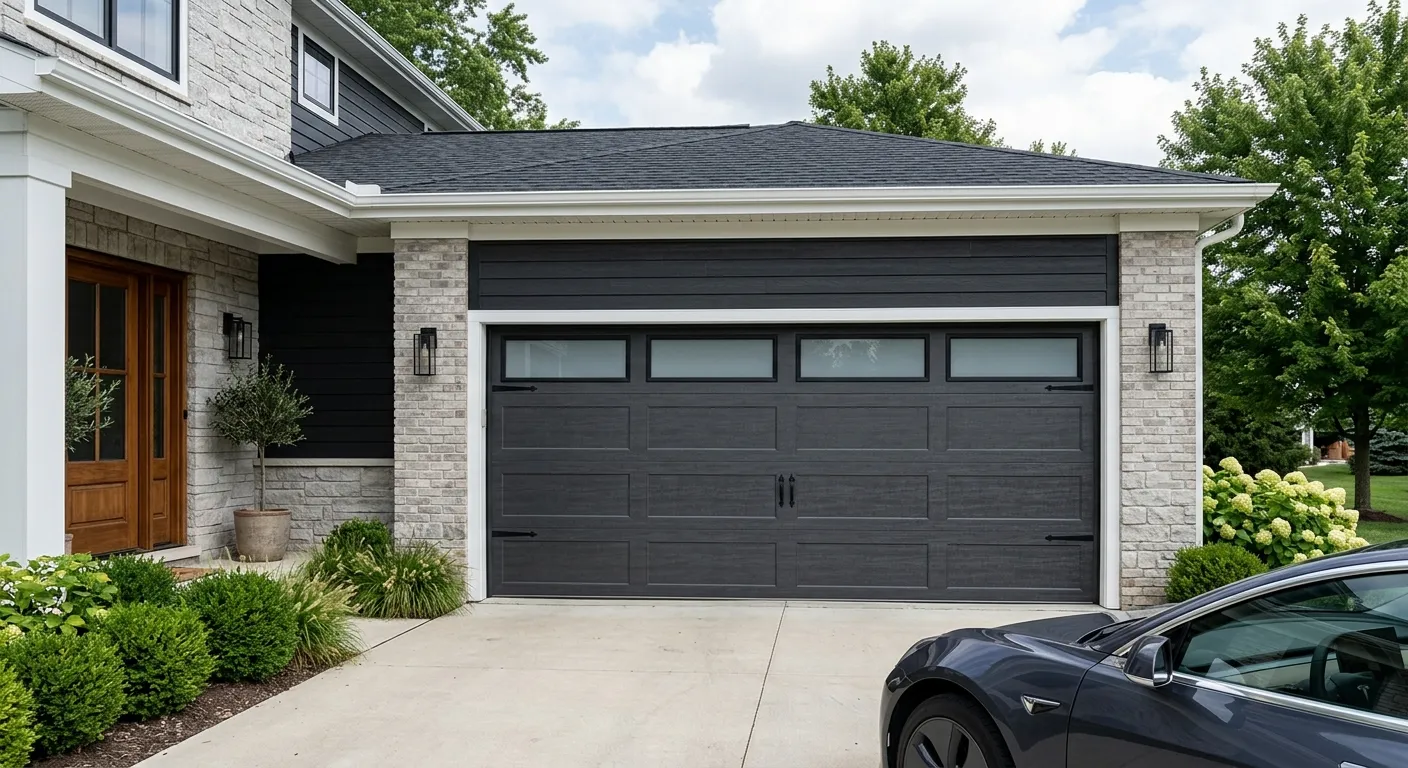
Recognizing the signs a home needs insulated garage doors is the first step toward protecting energy efficiency, comfort, and the long-term performance of the door itself. Extreme temperature swings, rising energy bills, outside noise, and visible door damage all point to a garage door that is no longer doing its job.
MF Solutions helps Buffalo Grove homeowners identify and resolve garage door insulation issues through professional assessments and high-quality installations. Contact us or give us a call today, and let our team determine the right insulation solution for every sign the home is showing.