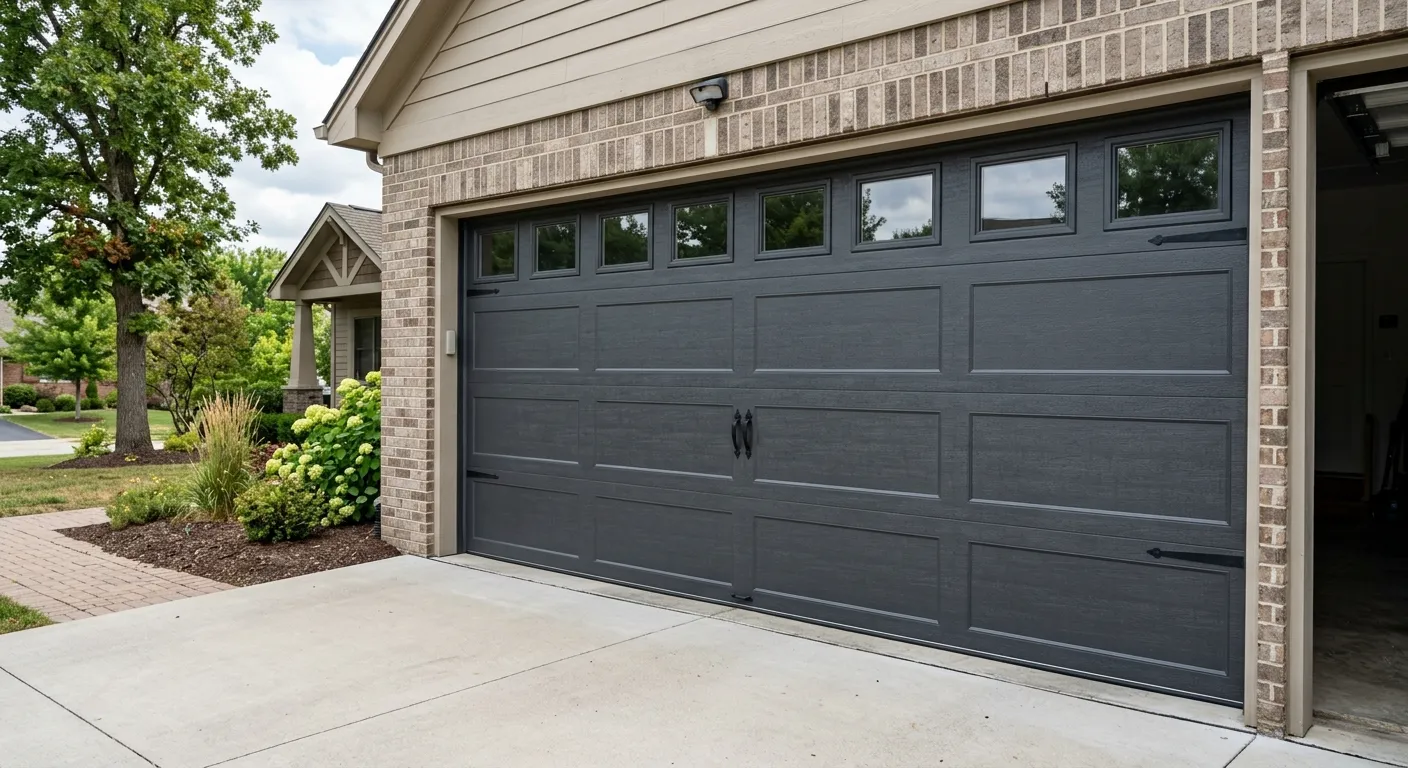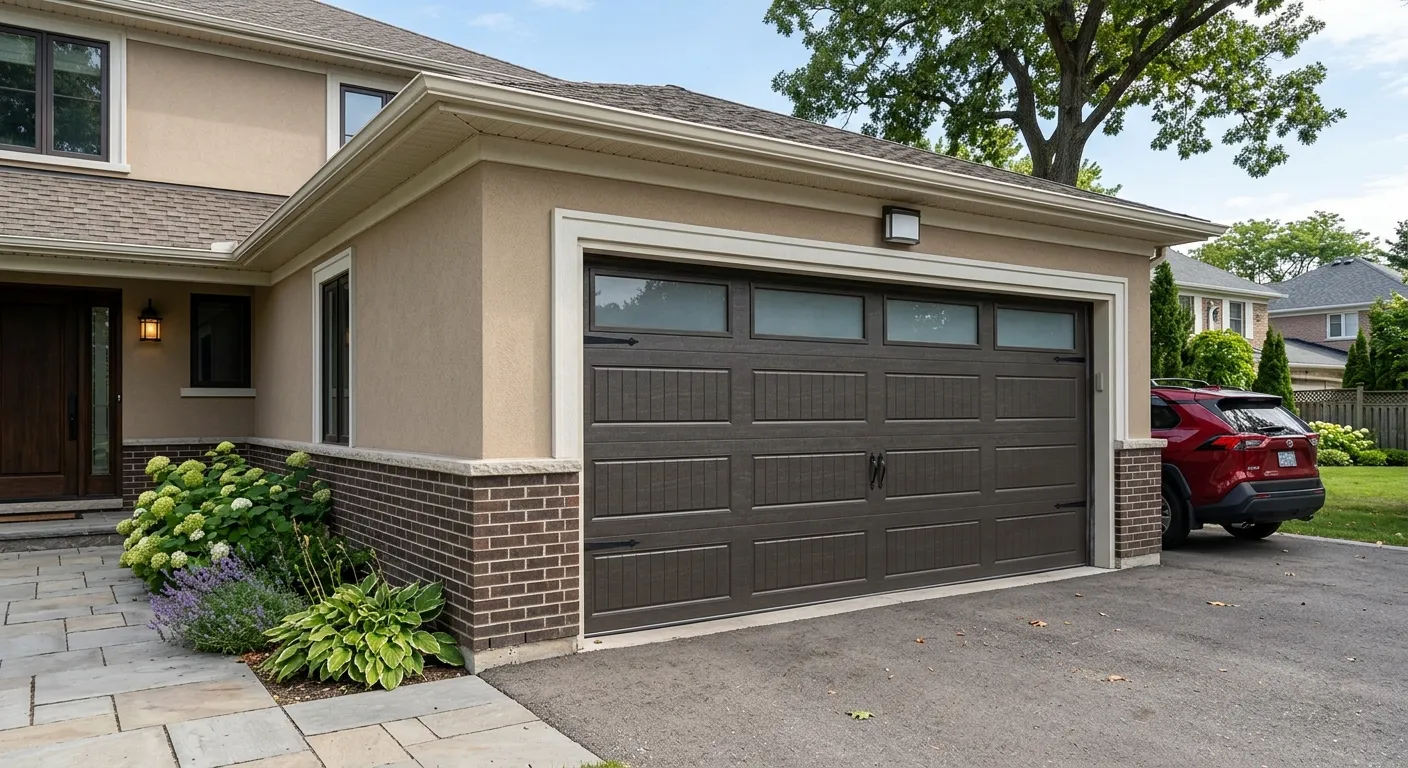


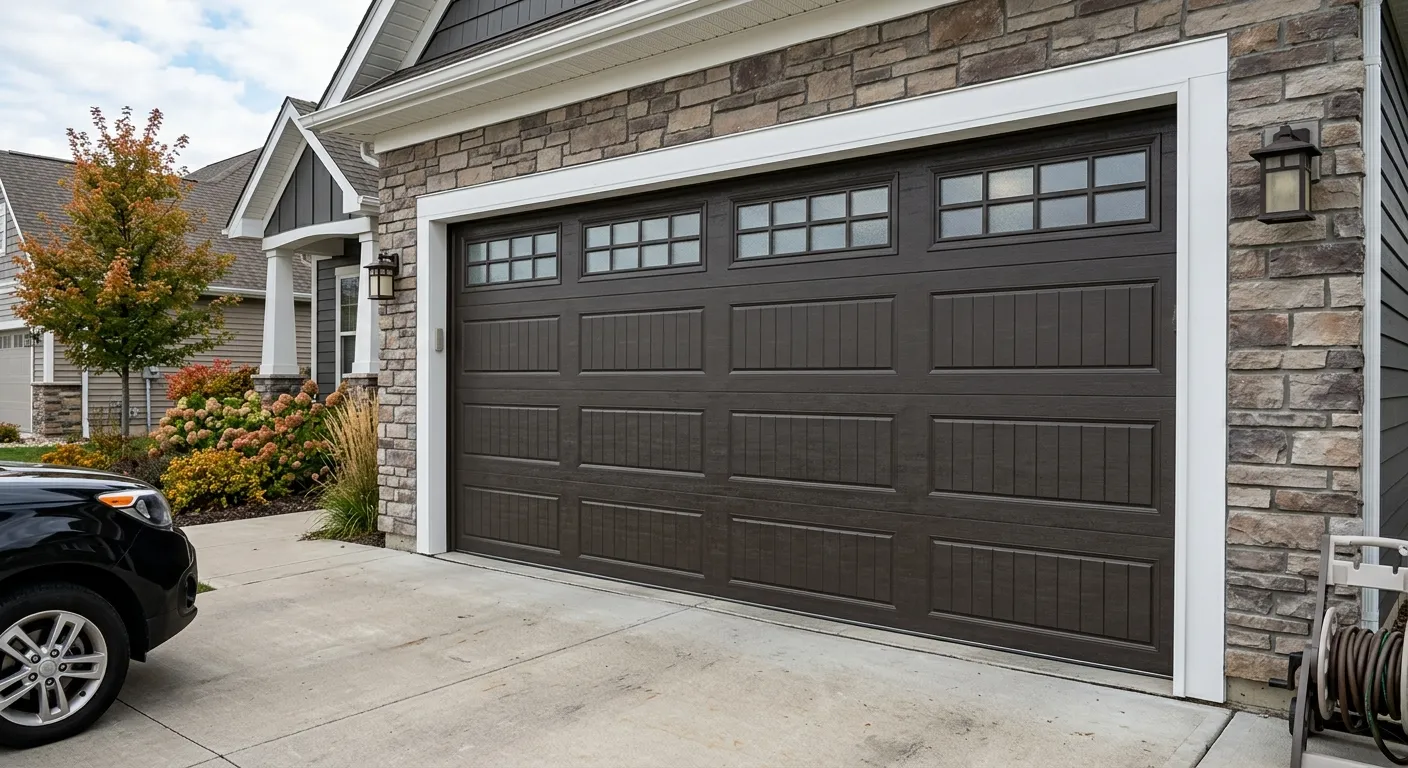
Insulated garage doors keep homes warmer by creating a thermal barrier that blocks cold air from entering and prevents heat from escaping through the largest opening in the home’s structure. The foam cores and multilayer construction in these doors slow heat transfer, and proper garage door installation ensures consistent performance from the first day of use.
The difference between an insulated door and a standard single-layer door goes beyond materials and R-values. Every section of an insulated garage door works together to seal out drafts, stabilize garage temperatures, and protect connected living spaces from the temperature extremes happening just on the other side of the door.
Why Do Garages Struggle to Stay Warm in the First Place?

A garage is the least thermally protected space in most homes, and that lack of insulation and sealing turns it into one of the biggest sources of heat loss during the cold months of the year.
Common reasons garages struggle to stay warm include:
- Single-layer metal doors let cold pass straight through with no thermal resistance
- Door frame gaps allow outside air in even when the door is closed
- Uninsulated walls and ceilings give cold air a direct path into connected living spaces
- Attached garages share walls with the home and pull heat out of the living space
- Worn weatherstripping leaves the door perimeter exposed to drafts and cold air
To understand whether these heat loss factors point to a needed upgrade, read our guide on Signs a Home Needs Insulated Garage Doors, which covers the most common indicators that a garage door is no longer protecting the home.
How Insulated Garage Doors Work to Retain Heat
Slowing Down Heat Transfer
Foam cores and multi-layer construction give insulated garage doors the thermal resistance needed to slow heat movement through the door surface.
Key reasons insulated doors slow heat transfer effectively:
- Polyurethane insulation fills every panel cavity with no air pockets
- Higher R-value ratings mean greater resistance to heat movement
- Multi-layer construction adds thermal protection at every level
- Thermal breaks in the frame block cold from passing through
- Foam core layers separate the cold outside air from the warmer interior
Slowing heat transfer through the door surface is the foundation of how insulated garage doors keep connected living spaces warmer throughout cold months.
Preventing Air Leaks
Air leaks around the door perimeter continuously allow warm air out and cold air in, making proper sealing just as critical as the insulation core itself.
Common ways insulated doors prevent air infiltration:
- Overlapping panel joints close gaps between door sections where cold air enters
- Bottom seals and gaskets block the gap between the door base and the floor
- Side and top weatherstripping seal the full door perimeter against the frame
- Tighter panel tolerances limit air movement through the door structure
- Reinforced panel edges maintain their seal through years of daily use
Damaged seals and worn panel joints are the most common reasons homeowners schedule garage door repair to restore thermal performance.
Creating a Buffer Zone
Keeping the garage warmer than the outside air creates a protective layer between the extreme cold and the conditioned living space inside the home.
Ways an insulated door turns the garage into a thermal buffer:
- Warmer garage air reduces the temperature difference between spaces
- Stabilized temperatures protect stored items from freeze and thaw cycles
- Reduced cold air mass limits cold transfer through shared walls
- More stable temperatures keep the garage functional year-round
- Lower temperature differential reduces heating system demand
A door that no longer maintains a stable temperature buffer is a strong indicator that garage door replacement is the more practical path toward restoring heat retention.
Protecting Shared Walls
Shared walls between the garage and living space transfer less cold when the garage temperature is stabilized by an insulated door.
How an insulated door protects walls shared with the home:
- Adjacent walls stay warmer without exposure to extreme outside temperatures
- Connected rooms hold more consistent temperatures when cold stops pressing through
- Shared wall insulation performs better within a reasonable temperature range
- Reduced moisture movement occurs when the temperature difference is smaller
- Heating systems run fewer cycles when shared walls stop draining heat
Routine garage door maintenance keeps seals and weatherstripping in good condition, so shared walls stay protected from cold air transfer season after season.
Materials That Make Insulated Garage Doors More Effective
Insulated garage doors rely on specific materials working together to block heat transfer and maintain stable temperatures inside the garage.
|
Material |
Type |
R-Value Range |
Best For |
|
Polyurethane Foam |
Injected core |
R-13 to R-18+ |
Cold climates, attached garages |
|
Polystyrene Foam |
Rigid board insert |
R-6 to R-11 |
Moderate climates, detached garages |
|
Single-Layer Steel |
No insulation |
R-0 |
Non-climate-sensitive spaces |
|
Double-Layer Steel |
Polystyrene backed |
R-6 to R-9 |
Budget-friendly upgrades |
|
Triple-Layer Steel |
Fully enclosed core |
R-13 to R-18+ |
Maximum thermal performance |
To weigh how these material differences translate into real-world performance, read our guide on Insulated vs Non-Insulated Garage Doors: Which Is Better?, which breaks down how each construction type holds up across key performance categories.
Why Proper Installation Affects Heat Retention
Even the best insulated garage door loses its thermal effectiveness when the installation behind it is poorly executed.
Key installation factors that directly affect heat retention:
- Improper track alignment leaves gaps along the door sides where cold air enters freely
- Missing bottom seals leave a gap at the floor, even when the door is fully closed
- Unsealed door frames create invisible but significant openings for air infiltration
- Incorrect spring tension causes uneven closure, leaving one side unsealed against the frame
- Worn weatherstripping across the perimeter eliminates the barrier against drafts
Proper installation ensures every component of an insulated garage door works together to deliver the heat retention it was built to provide.
How to Tell If an Insulated Garage Door Is Actually Performing
A properly functioning insulated garage door keeps the garage noticeably warmer than the outside air and maintains a consistent seal along the full perimeter of the door.
Signs an insulated garage door is performing as intended:
- The garage stays at least 10 degrees warmer than the outside air on a cold day
- No drafts are felt near the bottom or sides of the door during windy conditions
- Adjacent rooms maintain consistent temperatures without extra heating demand
- No frost or condensation appears on the interior surface of the door panels
- No visible light comes through the door edges when the garage is dark, and the door is closed
A door that consistently meets these performance indicators is doing its job of blocking heat loss and protecting the home from extreme outside temperatures.
Benefits Homeowners Notice After Upgrading to an Insulated Garage Door
Upgrading to an insulated garage door delivers measurable improvements in comfort, energy performance, and garage usability year-round.
Key benefits homeowners notice after upgrading to an insulated garage door:
- Lower energy bills result from reduced heat loss through the garage
- Rooms connected to the garage maintain more consistent temperatures
- Heating systems run fewer cycles when the garage stops acting as a thermal drain
- Street traffic noise decreases due to the added mass of foam core panels
- Curb appeal improves with modern insulated door designs on the home exterior
To evaluate whether an insulated garage door is the right investment for your home, read our guide on Are Insulated Garage Doors Worth It?, which provides a full breakdown of long-term value and return on investment.
Insulated Garage Doors Are One of the Most Effective Ways to Keep a Home Warmer
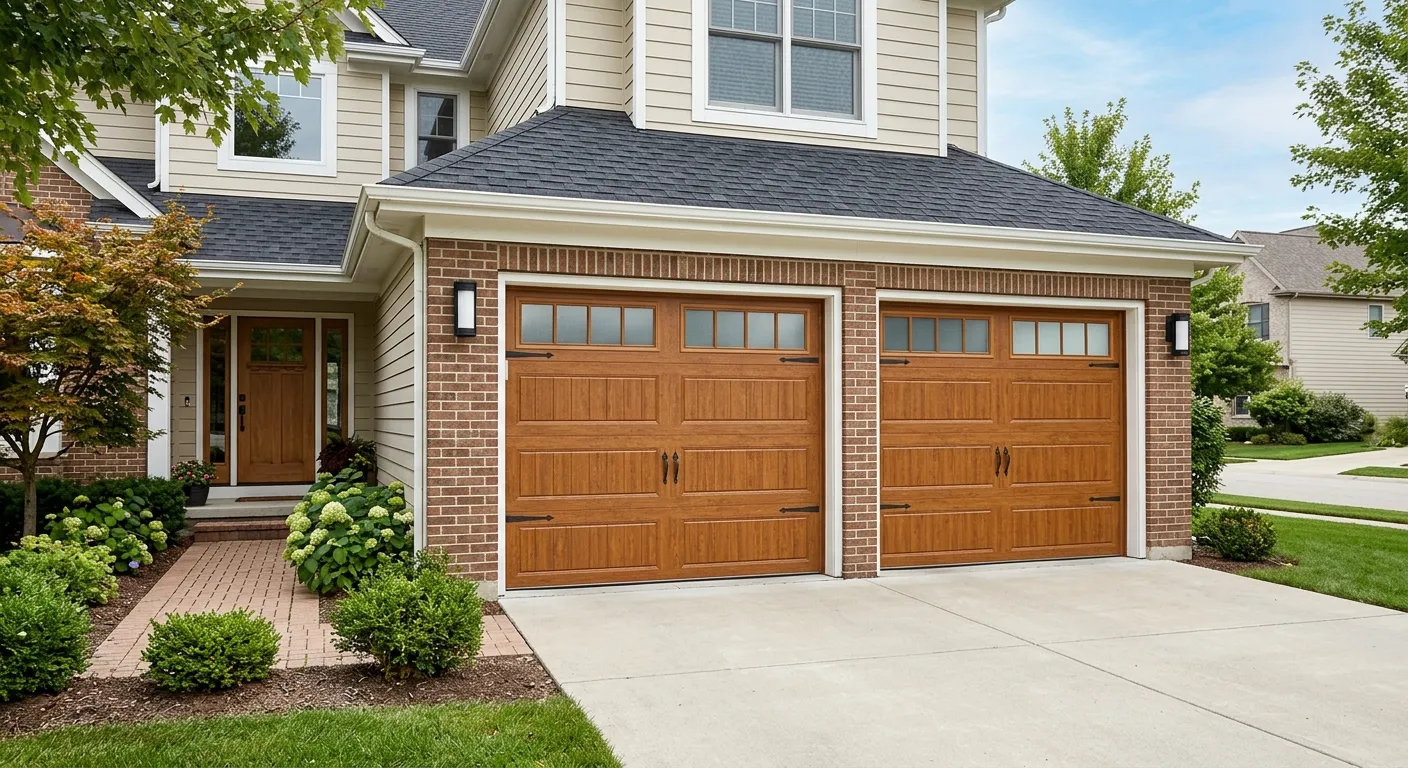
A cold garage continuously pulls heat out of the home, and an uninsulated door makes the problem worse every day of winter. Insulated garage doors block heat transfer at the source, stabilize garage temperatures, and protect every living space connected to the garage from the cold outside.
MF Solutions installs high-performance insulated garage doors in Buffalo Grove that create a real thermal barrier between the freezing outdoor air and the home’s conditioned living space. Contact us or give us a call today, and let our team determine which insulated garage door fits the home’s layout and climate needs.