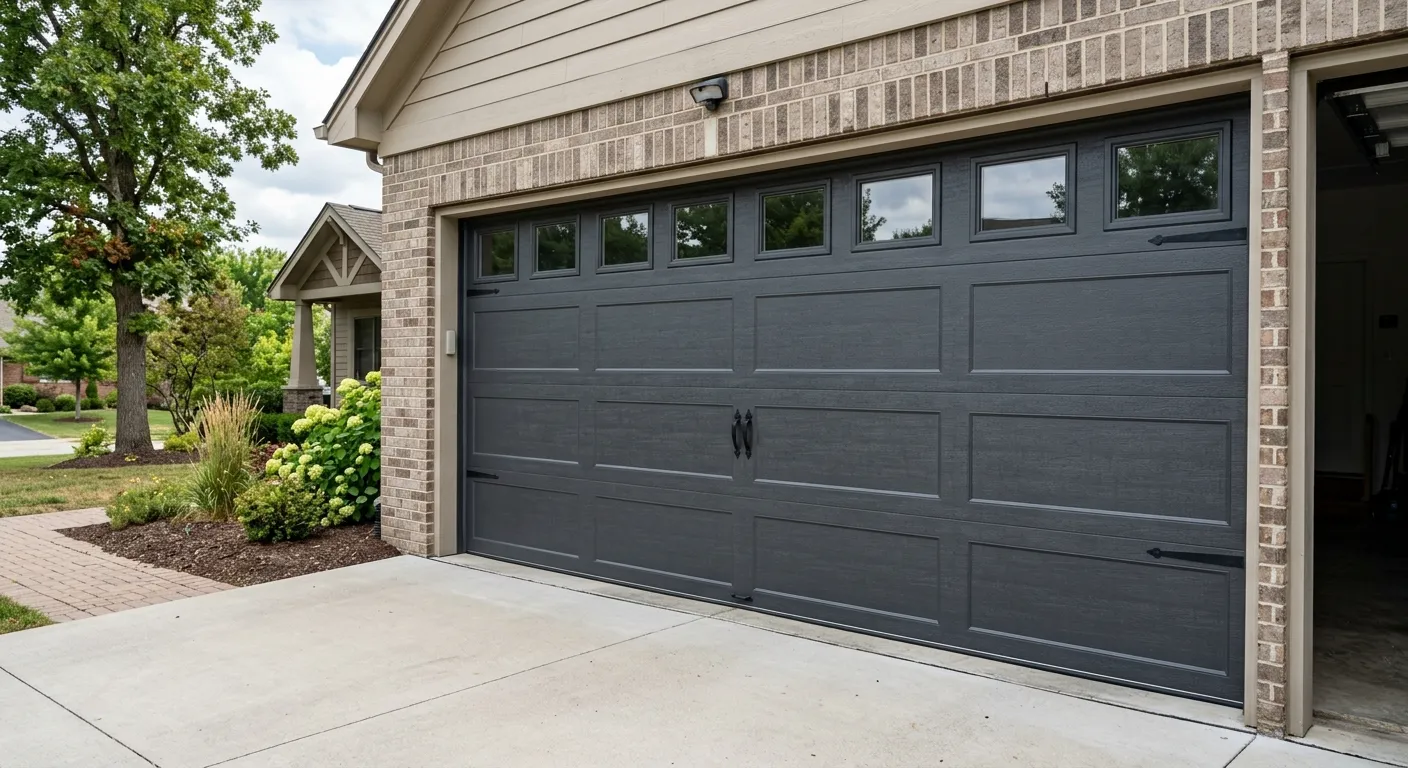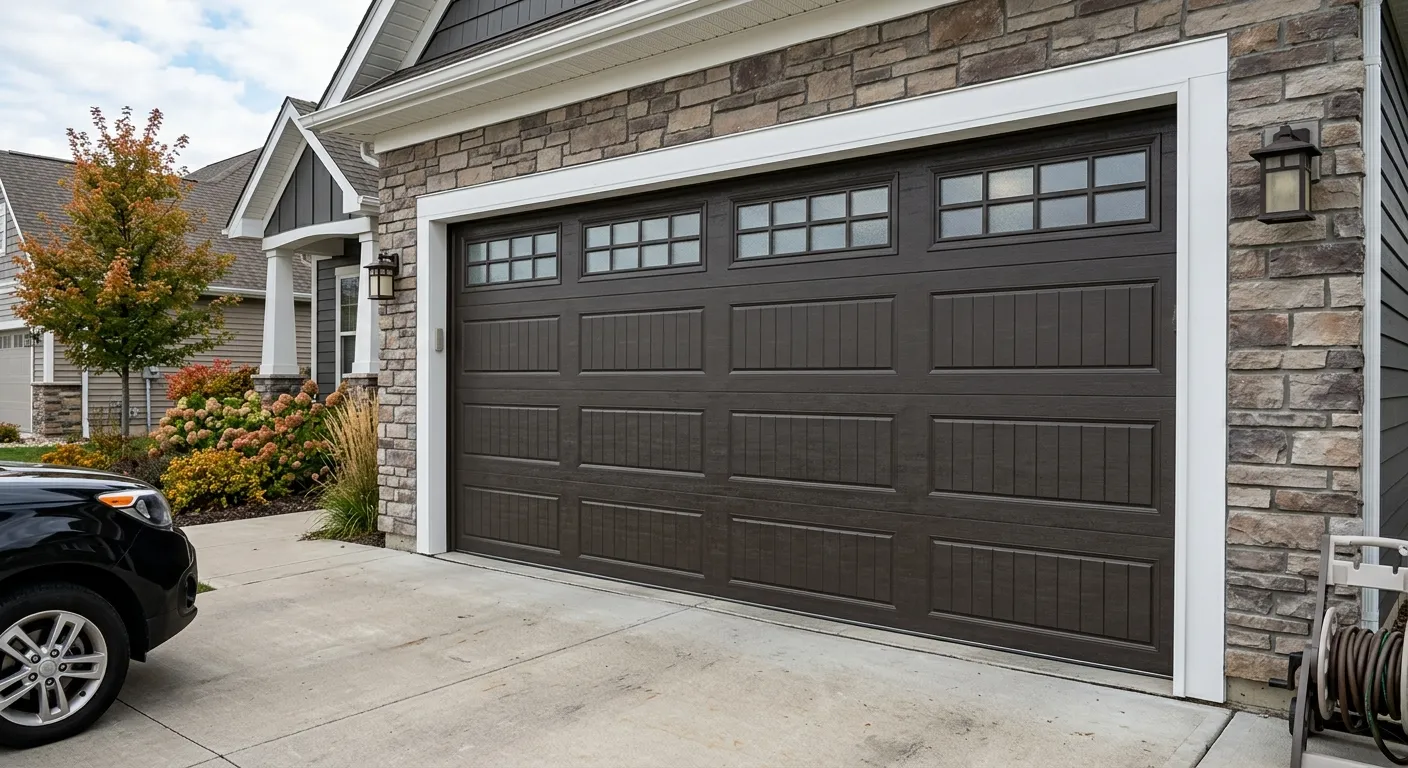
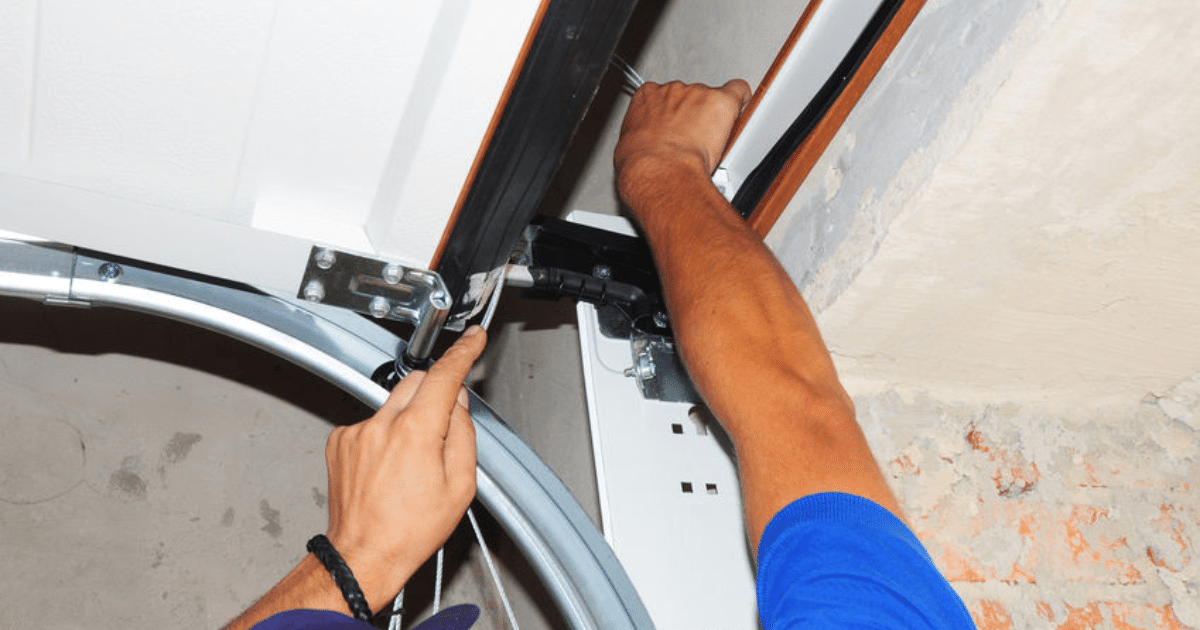
A garage door with broken cables does not just stop working, it becomes a physical hazard that can cause the door to fall, the system to fail, and the repair costs to climb. Many homeowners assume the door is still usable as long as it opens and closes, but that assumption puts the entire household at risk.
Understanding whether it is safe to use a garage door with broken cables starts with knowing what the cables actually do and what the system loses the moment they break. This guide covers the causes, warning signs, dangers, and immediate steps to take when garage door cables fail.
What Are the Common Reasons Why Garage Door Cables Break?
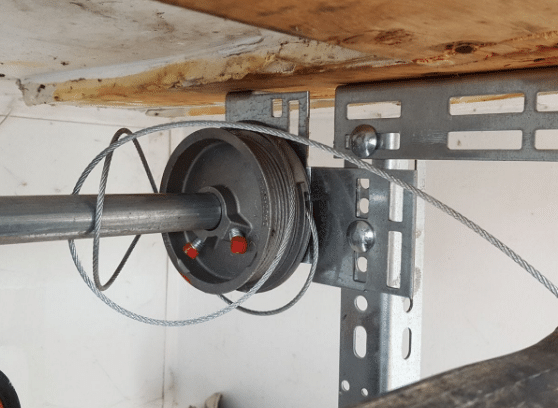
Garage door cables are designed to withstand years of daily use, but constant mechanical stress, environmental exposure, and installation errors gradually wear them down until they have nothing left to give.
Here are the most common reasons cables break:
- Wear and tear weaken cable strands after years of daily cycles.
- Rust and corrosion eat through individual strands and reduce load capacity.
- Lack of lubrication creates friction points that accelerate fraying and cable failure.
- Improper installation places uneven tension on the cable from the start.
- Extreme cold in Buffalo Grove, IL, causes metal cables to contract and snap.
To understand the full mechanical and environmental factors behind cable failure, read our guide on What Causes Garage Door Cables to Break?, which covers every condition that puts garage door cables under stress before a break actually happens.
What Happens When Garage Door Cable Breaks?
A single cable break disrupts the entire garage door system in ways that go far beyond the cable itself.
Here is what happens when a garage door cable breaks:
- One side of the door drops, creating a dangerous tilt that prevents normal movement.
- Spring tension shifts unevenly, forcing the remaining hardware to overcompensate.
- The opener exceeds its normal load capacity, risking burning out the motor.
- Drums, brackets, and pulleys absorb stress they were never designed to handle.
- The door can slip off the tracks entirely if the operation continues after the break.
Letting these effects go unaddressed is how a simple cable issue escalates into a garage door emergency that requires immediate professional attention.
Warning Signs Your Garage Door Cables Are Failing
Failing garage door cables almost always show visible signs of wear before a complete cable failure occurs.
Here are the warning signs to watch for:
- Uneven movement when opening or closing signals that a cable broke on one side.
- Visible fraying or slack means the strands are already breaking from the inside.
- A heavier feel or slow movement indicates that cable tension has been lost.
- Loud snapping or popping sounds signal that the cable is under abnormal stress.
- Stopping mid-cycle means the opener detects resistance due to cable imbalance.
- A bottom bracket pulled out of position confirms the cable has detached on that side.
To learn more about each of these indicators and what they reveal about your cable system, visit our guide on Warning Signs Your Garage Door Cables Are Failing, which breaks down every sign homeowners should never ignore.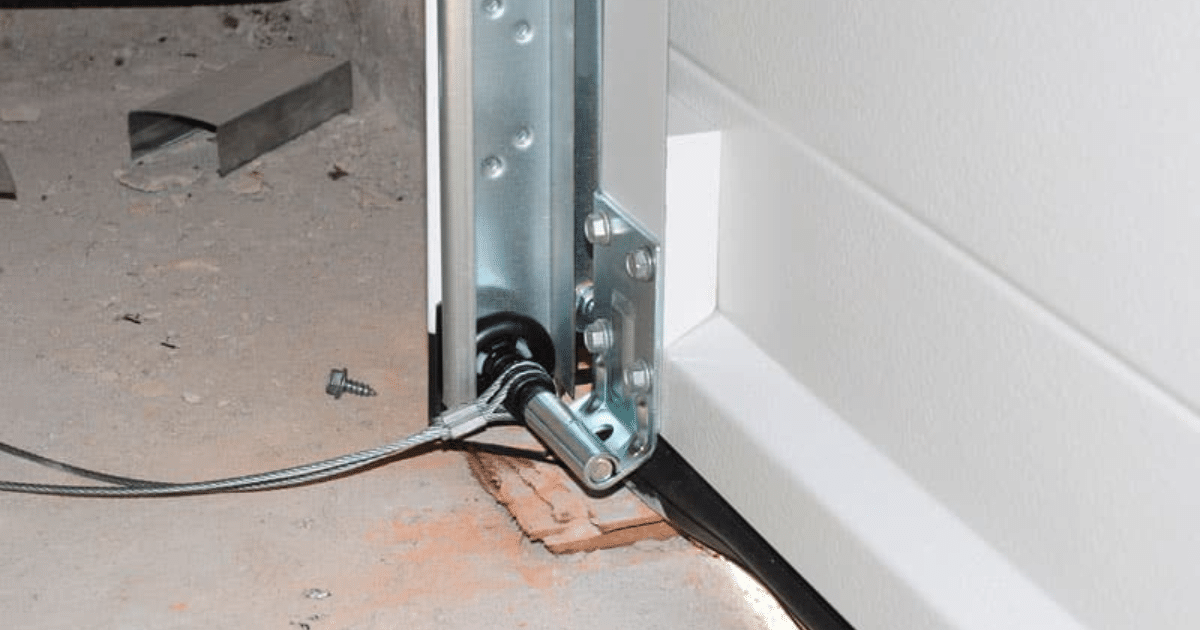
Why It Is Not Safe to Use a Garage Door With Broken Cables
Sudden Collapse Risk
A broken garage door cable removes the only mechanism keeping hundreds of pounds of door weight under controlled movement.
Watch for these collapse risk factors:
- Cable failure leaves the door unsupported and unable to stay in position.
- Doors weighing between 130 and 350 pounds can drop without any prior indication.
- Anyone standing near the bottom of the door during a collapse is at serious risk of injury.
- Vehicles parked inside are directly in the path of a falling overhead door.
- A sudden drop can damage the tracks, bottom bracket, and surrounding structure.
Sudden collapse is the most immediate danger of operating a door after a cable failure, and no situation justifies continuing to use the door in that condition.
Unbalanced and Crooked Movement
Broken cables force the door to travel unevenly through the tracks, and every cycle in that condition adds stress to parts that were never meant to carry an unbalanced load.
Notice these movement problems when cables fail:
- One side of the door drops lower, creating a visible crooked angle during operation.
- Uneven movement grinds the rollers against the tracks, accelerating wear.
- Continued operation bends the tracks out of alignment on the affected side.
- Garage door panels absorb lateral stress that they were not engineered to handle.
- Crooked movement also puts abnormal pressure on the bottom bracket and drum.
Unbalanced door movement is a direct sign that the cable system has already failed, and professional attention is needed immediately.
Component Overload on Springs and Opener
A broken cable dumps the full mechanical burden onto the torsion spring system and garage door opener at the same time.
Here is how component overload develops:
- Torsion springs absorb all the tension the cable was previously managing.
- Spring overload accelerates metal fatigue and increases the risk of a spring failure.
- Garage door openers bear the full weight of the door rather than just guiding its movement.
- Motors operating beyond their rated capacity overheat and wear out faster.
- Gears inside the opener strip under the extra load and require full unit replacement.
Every operating cycle with a broken cable pushes the torsion spring and opener beyond their intended limits.
High-Tension Danger During Operation
Garage door cables carry a lot of tension at all times, and a cable snap releases that stored energy instantly in an unpredictable direction.
High-tension dangers include:
- A snapped cable whips with enough force to damage walls and nearby objects.
- Anyone near the door when the cable snaps faces direct physical danger.
- DIY attempts on a system under spring tension put untrained hands in harm’s way of live mechanical energy.
- Releasing and resetting cable tension requires proper tools and trained hands.
- A partial repair attempt without safety precautions can trigger a full system release.
High tension is the core reason why garage door cable repair should always be handled by a trained professional with the right tools.
Risk of Falling Springs in Extension Systems
Extension springs rely on the cable to act as a physical restraint, and a broken cable in this type of system removes the only barrier keeping the spring in place.
Extension spring hazards include:
- A free extension spring launches across the garage with significant force.
- Walls, vehicles, and anyone nearby face direct risk when a spring releases unexpectedly.
- Even a basic inspection of extension spring systems requires extreme caution.
- Technicians use containment cables to control the movement of springs during repairs.
- Older systems carry a higher risk of failure due to years of accumulated wear.
Extension spring systems require professional handling, and any attempt to fix a broken cable puts everyone in the immediate area at risk.
What to Do Immediately When Your Garage Door Cable Broke
A broken garage door cable requires immediate action to prevent the situation from worsening or endangering anyone.
Here is what to do right away:
- Stop using the door immediately and disconnect the automatic opener to prevent accidental activation.
- Keep children and pets away from the garage door area until a professional arrives.
- Do a visual check from a distance to assess whether the door is hanging unevenly or cables are visibly detached.
- Avoid touching any cables, springs, or hardware connected to the broken cable.
- Contact a professional for emergency garage door repair and describe what you observed during the visual check.
Getting a trained technician on-site quickly is the most important step after a garage door cable breaks.
Can You Replace Garage Door Cables Yourself?
Why It Is Best Left to a Professional
Replacing garage door cables means working directly alongside torsion and extension springs that store enormous amounts of mechanical energy.
Here is why professional handling is necessary:
- Releasing spring tension without proper tools can cause violent snapping.
- Drum alignment and tension calibration require hands-on professional training.
- Improperly installed cables accelerate wear on every connected part.
- Most homeowners lack the specialized tools needed for cable replacement.
- Improper installation puts the entire system at risk in the next cycle.
To find out what cable replacement actually involves, read our guide on Can You Replace Garage Door Cables Yourself?, which walks through every step and what it takes to do the job correctly.
What to Expect From a Professional Repair & Replacement
Professional garage door cable repair and replacement covers more ground than most homeowners expect.
A professional repair and replacement typically includes:
- Full inspection of the drum, pulley, bottom bracket, and spring condition.
- The damaged cable is removed and replaced with one matched to the door’s weight and cable type.
- Drum realignment and cable routing restore proper tension on both sides.
- Spring tension is adjusted to ensure the correct amount throughout the full cycle.
- A multi-cycle test confirms smooth operation and verifies that the door is properly balanced.
Every step in a professional garage door cable replacement is designed to restore the system to good condition and prevent future issues.
Broken Garage Door Cables Are Not Safe to Ignore
Operating a garage door with broken cables puts everyone nearby at risk, and every reason covered in this guide points to one clear answer: stop using the door and call a professional immediately. No temporary workaround or DIY fix can replace the safety and reliability that comes with a proper cable repair done by a trained technician.
MF Solutions has been helping homeowners in Buffalo Grove, IL, restore their garage door cables and get their systems back to full working order with precision and care. Contact us or give us a call today, and let our licensed technicians assess the situation and confirm whether your garage door is actually safe to use.