

Garage door cables bear the full weight of the door every time it moves, and that constant load eventually takes a toll on even the strongest steel cable. When a cable finally gives out, the door stops working and becomes unpredictable and potentially dangerous for anyone nearby.
The question of what causes garage door cables to break does not have a single answer, as several factors can lead to the same outcome. Knowing each of those causes gives homeowners a real advantage in preventing a failure before it disrupts their day or puts their household at risk.
What Are Garage Door Cables and What Do They Do?
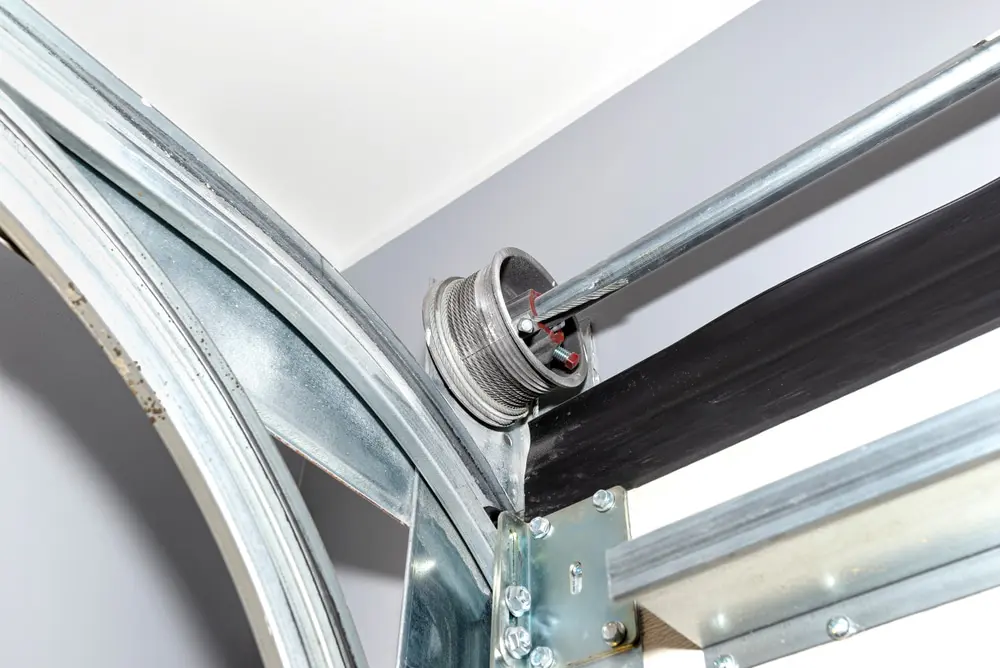
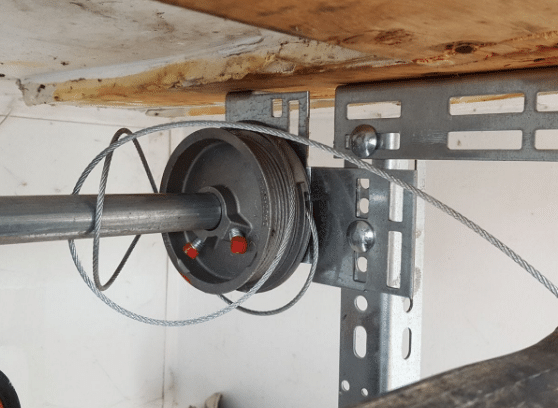
Garage door cables are thick, twisted steel wires that connect to the bottom bracket of the door and work alongside the springs to carry and distribute the full weight of the door through every single cycle.
Here is what garage door cables do inside the system:
- Cables support and distribute the door’s weight evenly on both sides during every cycle.
- They attach to the bottom bracket at the base of the door on each side.
- Cables wind and unwind around the drum with every movement the door makes.
- They work with the torsion spring or extension springs to keep the door balanced.
- Without cables, the opener cannot lift or lower the door evenly.
- One failed cable is enough to throw the entire system completely off balance.
To understand how cable wear shows up before a full break, read our guide on Warning Signs Your Garage Door Cables Are Failing, which covers the movement, sound, and appearance changes that signal early deterioration.
Common Causes of Broken Garage Door Cables
Wear and Tear Over Time
Daily use puts more stress on garage door cables than most people realize, and that accumulated strain breaks down even the strongest steel strands over time.
Here is how years of daily use wear cables down:
- Every open and close cycle bends and flexes the steel strands inside the cable
- Heavier doors accelerate how quickly individual strands fatigue and weaken
- Steel strands lose tensile strength gradually with each passing month
- A cable can look intact on the outside while already failing internally
- Most cables last 7 to 12 years under normal residential use
Knowing your cable’s expected lifespan helps you schedule a replacement before an unexpected failure disrupts your daily routine.
Rust and Corrosion From Moisture and Road Salt
Harsh winters and road salt accelerate cable corrosion at a rate most homeowners do not expect until the damage is already done.
Watch for these corrosion-related warning signs:
- Orange or brown discoloration along the cable surface signals active rust
- Cables near the bottom of the door collect road salt from vehicles and foot traffic
- Corroded strands lose flexibility and snap under load far sooner than clean cables
- Rust spreads from outer strands inward, weakening the cable core over time
- Garages without proper sealing expose cables to humidity year-round
Rust does not stop on its own, and a cable showing visible corrosion has already lost a portion of the strength it needs to function under load.
Broken or Faulty Torsion and Extension Springs
When a spring fails, hundreds of pounds of stored force transfer instantly into the cables in a way they are not built to absorb.
Here is what happens to cables when a spring fails:
- A snapping torsion spring releases stored energy directly into the cable system
- Cables absorb that shock load and often snap along with it
- One broken spring shifts the full load across both cables immediately
- Extension springs on older doors can break and damage nearby cable hardware
- Failure in one component almost always affects the other
Garage door spring failure and cable damage almost always occur together, making a thorough inspection of both components essential during any repair visit.
Improper Cable Tension or Installation
Cable tension must be calibrated precisely during installation, and even a small setup error creates ongoing mechanical stress that shortens the cable’s working life.
Look for these indicators of improper tension or installation:
- Cables installed too tightly dig into the drum groove and fray at contact points
- Loose cables slip off the drum and wrap incorrectly around the spool
- Uneven tension between the two cables causes the door to travel at an angle
- Improperly seated cable ends pull away from the bottom bracket under load
- Installation errors often go undetected until the cable fails weeks or months later
Professional installation ensures cables are tensioned, seated, and wound to the exact specifications the door requires.
Fraying From Misaligned Tracks or Damaged Pulleys
Worn pulleys and misaligned tracks force cables to rub against metal edges every cycle, and that friction cuts through individual strands until the cable fails.
Notice these signs that friction is actively damaging your cables:
- Frayed strands sticking out from the cable body indicate sharp surface contact
- Bent track sections create friction points that cut into cables during movement
- Worn pulley wheels develop flat spots that catch and damage cable strands
- Cables running at an angle signal a misalignment in the track or drum
- Shiny or polished spots on the cable indicate repeated metal-on-metal contact
Friction damage worsens with every single use, making early detection during inspections especially valuable.
Wrong Cable Size for the Door’s Weight
Every garage door requires a cable rated for its specific weight, and using an undersized cable places the entire system under chronic stress from the very first cycle.
Pay attention to these consequences of using the wrong cable size:
- Undersized cables stretch beyond their rated capacity with every cycle
- Heavier doors generate more drum tension than a lighter-rated cable can sustain
- Wrong-gauge cables fray faster due to constant overload on the steel strands
- Replacement cables bought without checking specifications are frequently the wrong size
- An undersized cable puts extra load on the pulleys and drums consistently
Matching the cable to the door’s exact weight and size is a detail that any qualified garage door repair technician will get right the first time.
What Happens When Garage Door Cable Breaks
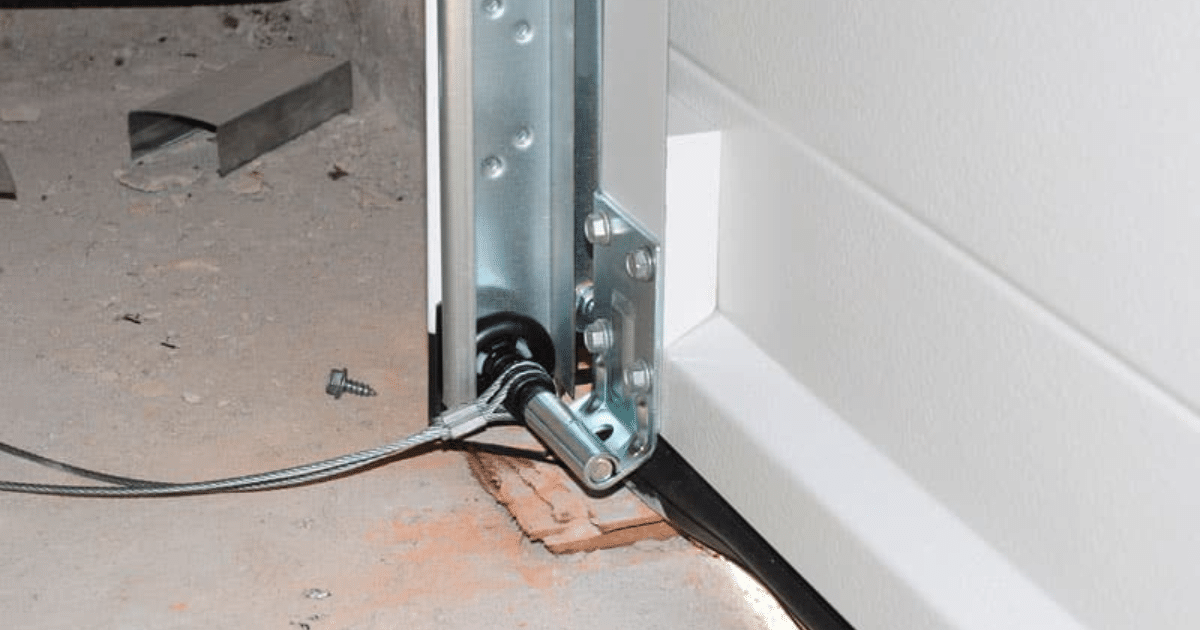
One broken cable is enough to throw the entire door system off balance and make every component work harder than it should.
Here is what happens when a garage door cable breaks:
- The door loses balance instantly, and one side drops lower than the other
- The garage door opener strains against the unbalanced load and can burn out
- Snapped lift cables hang loosely or coil on the garage floor
- A garage door cable broke on one side, which still puts the remaining cable under full load
- The torsion spring system goes out of balance and adds pressure to drums and pulleys
- Forcing the door to move risks sending it off the tracks entirely
Recognizing what happens when a cable breaks helps you understand why stopping all door operation immediately is the most critical response.
Warning Signs Your Garage Door Cables Are Failing
Cable problems rarely appear without warning, and knowing what to look for gives you enough time to act before a full failure occurs.
Here are the warning signs that your garage door cables are failing:
- Visible fraying or kinking along the cable body indicates internal strand damage
- The door opens unevenly or looks crooked during operation
- Slack or loose cables hang away from the drum instead of sitting snugly
- Unusual squeaking, grinding, or popping sounds during door movement signal cable stress
- The bottom of the garage door appears uneven or lifted on one side when fully closed
Noticing these signs early gives you enough time to schedule a cable inspection before the door becomes unsafe to operate.
Is It Safe to Use a Garage Door With Broken Cables?
No, operating a garage door with a broken garage door cable is never safe because the door is no longer balanced, controlled, or predictable in any position.
Here is why continued use puts your household at risk:
- An unbalanced door can fall without warning and cause serious injury
- The opener strains against the uneven load and risks burning out
- High tension on the remaining cable increases the risk of a second snap
- Broken cables allow the door to shift off the tracks entirely
- Anyone near the door is exposed to unpredictable movement and falling panels
To learn the full scope of what makes a damaged cable genuinely dangerous, read our guide on Is It Safe to Use a Garage Door With Broken Cables?, which covers every risk factor homeowners need to know before touching the door.
What to Do When Your Garage Door Cable Breaks
When a garage door cable breaks, the steps you take in the first few minutes determine whether the situation remains manageable or worsens significantly.
Here is what to do when your garage door cable breaks:
- Stop all door operation immediately and do not use the opener or attempt manual movement
- Disconnect the automatic opener using the red emergency release cord on the track
- Inspect the cable and door position from a safe distance without touching any components
- Keep children and pets completely out of the garage until repairs are completed
- Call a local garage door repair professional and describe what you observed during the inspection
Acting quickly and avoiding any attempt to operate the door protects both the people in your home and the hardware on your door.
Should You Fix a Broken Garage Door Cable Yourself or Call a Pro?
Knowing how to fix a broken cable on a garage door starts with honestly assessing whether the risks of doing it yourself outweigh the cost of hiring a professional.
Factor | DIY Repair | Professional Repair |
Spring Tension Handling | Requires winding bars and experience | Managed safely with proper tools |
Risk of Injury | High without proper training | Minimal with a certified technician |
Tools Required | Specialized tools most homeowners lack | Fully equipped on every visit |
Time to Complete | Hours with risk of errors | Completed efficiently in one visit |
Warranty on Work | None | Typically included |
Identifying Other Issues | Easily missed | Inspected and flagged during repair |
Overall Safety | Dependent on experience level | Consistent and reliable every time |
To get a full picture of what the repair process involves and the risks of doing it alone, read our guide on Can You Replace Garage Door Cables Yourself?, which breaks down every step homeowners need to weigh before deciding.
How to Maintain Your Garage Door Cables and Prevent Future Breaks
Regular maintenance is the most effective way to extend the life of your garage door cables and avoid unexpected failures throughout the year.
Here is how to maintain your garage door cables and prevent future breaks:
- Inspect both cables monthly for fraying, rust, kinking, or any visible signs of wear
- Apply silicone-based lubricant along the full cable length two to three times per year
- Check that cables are sitting snugly on the drum and attached firmly to the bottom bracket
- Schedule a professional garage door maintenance visit once a year to measure tension and check alignment
- Add a garage door threshold seal to keep moisture and road salt from reaching metal components
Consistent upkeep keeps the entire cable system in good condition and reduces the likelihood of a failure that takes the whole door out of operation.
Know What Breaks Your Garage Door Cables and Stop It Before It Starts
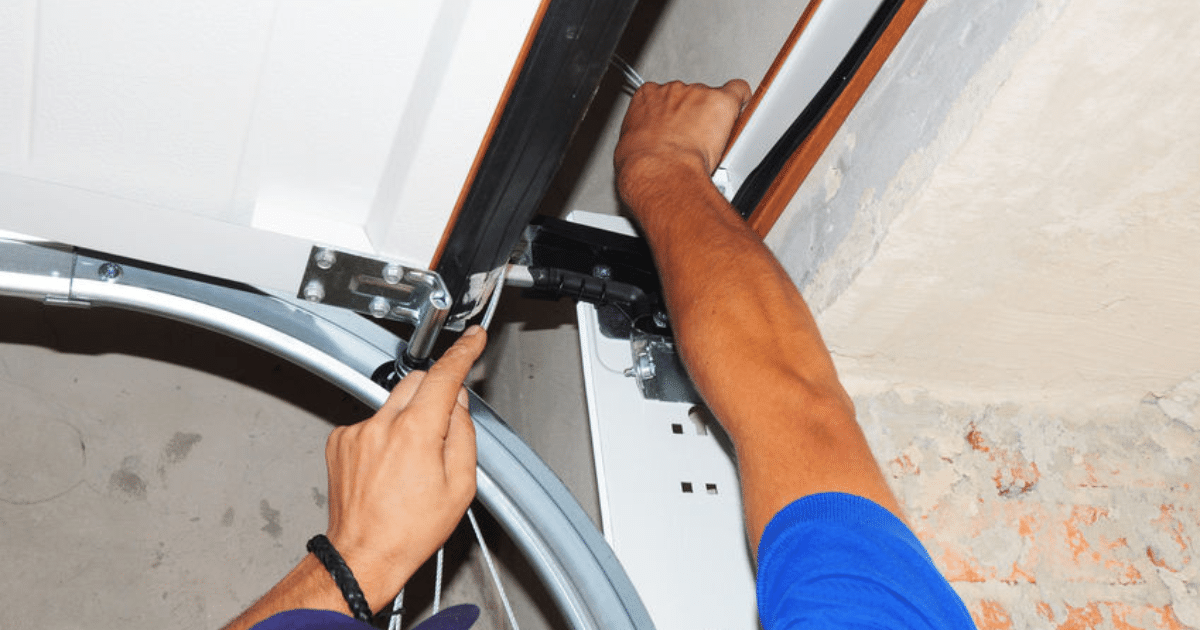
Garage door cables break for reasons that are almost always preventable once you know what to look for and how to respond. Every cause covered in this guide points to one truth: regular attention and timely repairs are what keep cables from failing at the worst possible moment.
MF Solutions has been helping homeowners in Buffalo Grove, IL, identify cable problems early and restore full garage door function before minor wear causes a complete breakdown. Contact us or give us a call today to schedule your appointment and let our team handle your garage door cable repair the right way.