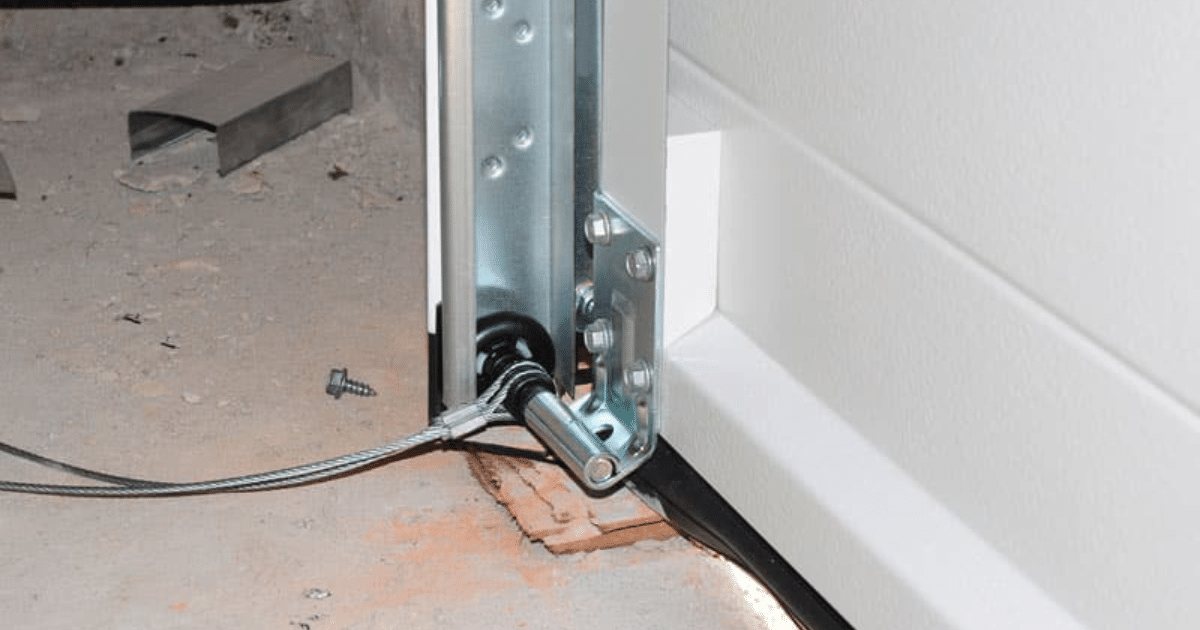
Replacing garage door cables sounds like a manageable weekend project until you realize the system holding your door in place operates under hundreds of pounds of spring tension. That tension does not disappear when a cable breaks, and it does not forgive mistakes made by someone without the right training.
The decision to repair garage door cables yourself carries real consequences that go beyond the need for a simple tool. Understanding what the job actually demands, what can go wrong, and when a professional is the only logical choice will help you make the right call before anyone gets hurt or the damage gets worse.
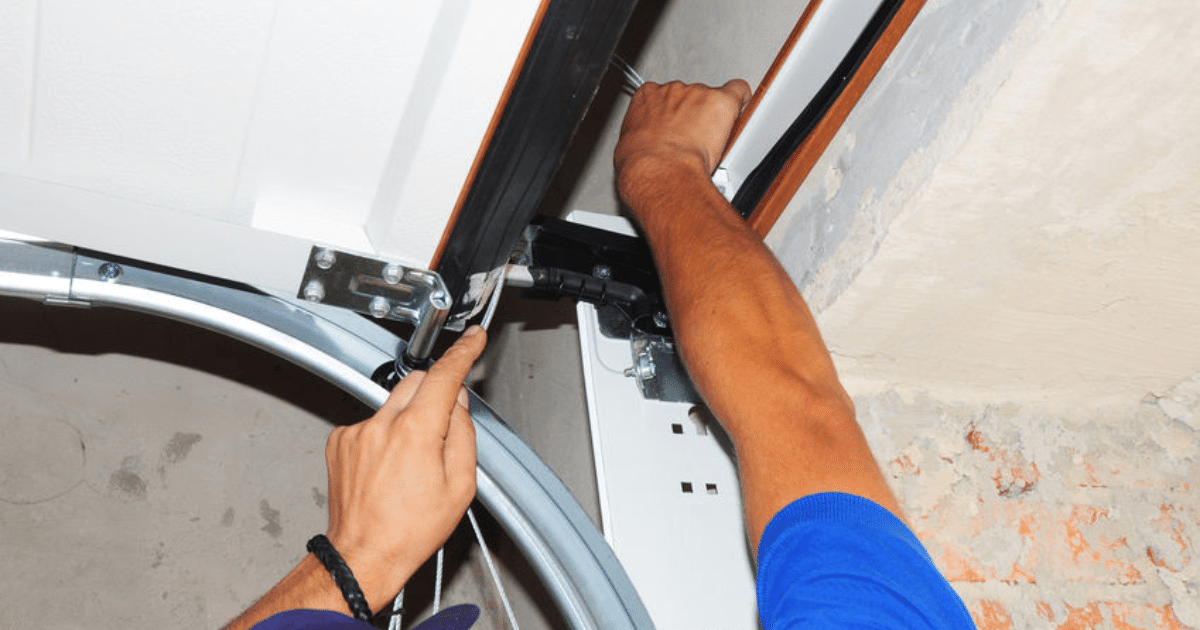
What Happens When Garage Door Cable Breaks?
When a cable snaps, the garage door system does not simply pause because every component that relied on that cable for support immediately begins absorbing stress beyond its capacity.
Here is what happens when a garage door cable breaks:
- Balance is lost instantly, forcing the opposite side to carry the full load
- Torsion spring tension becomes uneven and accelerates wear on the spring
- Extra strain is transferred to the garage door opener during every operation
- Bottom bracket and drum wear increases beyond normal levels
- Tracks lose proper cable guidance and allow the door to shift sideways
- Garage door panels experience uneven pressure that leads to bending or cracking
To understand what puts cables under that kind of stress before they snap, read our guide on What Causes Garage Door Cables to Break?, which covers every mechanical and environmental condition that leads to a full cable failure.
Warning Signs Your Garage Door Cables Are Failing
Identifying cable damage early gives you a window to act before a minor issue turns into a full system failure.
Here are the warning signs that your garage door cables are failing:
- Fraying or unraveling strands signal that the cable is close to snapping
- Rust or corrosion on the cable means the metal is losing load capacity
- A cable slipping off the drum causes uneven operation and the risk of derailing
- Grinding or scraping noise means the cable is rubbing against other components
- A door feeling heavier than normal during manual operation signals a drop in cable tension
To spot every indicator that points to cable trouble before the system gives out, read our guide on Warning Signs Your Garage Door Cables Are Failing, which covers each sign in detail and explains what it means for the overall health of your garage door.
What Causes Garage Door Cables to Snap or Wear Out?
Garage door cables do not fail randomly because every break or snap traces back to a specific condition that built up over time.
Here are the most common causes of garage door cable failure:
- Daily cycles create metal fatigue that weakens cable strands over time
- Lack of lubrication causes friction points that accelerate fraying along the cable
- Rust and corrosion eat through individual strands and reduce overall load capacity
- Improper installation places uneven tension on the cable from the very first use
- Extreme cold in Buffalo Grove, IL, causes metal cables to contract and snap under pressure
Regular garage door maintenance is the most effective way to extend the life of the cables and avoid unexpected failure.
What Should You Do Immediately After a Garage Door Cable Breaks?
A garage door cable broke, and every second you continue operating the door adds more stress to already compromised components.
Here is what you should do immediately after a garage door cable breaks:
- Stop using the door completely to prevent further damage to the spring and drum
- Disconnect the automatic opener to stop anyone from accidentally activating the door
- Keep the door in the closed position since it is more stable than one left open
- Keep people and vehicles away from the door to avoid injury from a sudden drop
- Avoid attempting to reattach the cable without proper tools and training
To know exactly why operating a damaged door puts your household at risk, read our guide on Is It Safe to Use a Garage Door With Broken Cables?, which explains every safety risk that comes with a compromised cable system.
Can You Replace Garage Door Cables Yourself?
What the Job Actually Requires
Garage door cable replacement demands more than basic mechanical knowledge before anyone picks up a tool.
Here is what the job actually requires:
- Hands-on experience working around torsion spring systems under high tension
- Winding bars, locking pliers, and cable drums matched to your specific door
- Full knowledge of the cable type compatible with your door’s weight and spring setup
- Ability to work with extension springs if your system uses them instead of torsion
- Precise tension calibration on both sides to maintain balanced door operation
Knowing what the job requires upfront helps you decide whether your current skill level and tools are truly ready for the task.
The Risks Every Homeowner Must Understand
Most homeowners underestimate how much force a torsion spring holds until something goes wrong mid-repair.
Watch for these risks before attempting any garage door cable work:
- Torsion spring tension can release with enough force to cause serious injury without proper winding bars
- A snapped cable mid-repair drops the full door weight without any warning
- Improper cable tension creates uneven wear on the drum and spring after installation
- Misaligned cables put direct pressure on the garage door panels during operation
- Attempting repairs without hands-on spring tension experience makes the problem harder to fix
Weighing these risks against your experience level is the most honest way to assess whether a DIY fix is worth attempting.
Steps Involved in Replacing Garage Door Cables
Knowing each step of a garage door cable replacement reveals exactly why professional training matters before anyone attempts the job.
Here is what the replacement process actually involves:
- Fully closing the door and disconnecting the garage door opener before any work begins
- Carefully releasing torsion spring tension using specialized winding bars
- Removing the old cable from the bottom bracket and drum without disrupting the winding pattern
- Threading the new cable, seating it in the drum groove, and securing it at the correct tension
- Resetting spring tension so both sides of the door carry equal load
- Confirming balance and alignment before reconnecting the opener
Every step in a garage door cable replacement demands a level of precision that only comes with professional training and hands-on experience.
When It Makes Sense to Call a Professional Instead
Calling a garage door repair professional is not an admission of defeat because it is the decision that protects your door, your tools, and everyone in your home.
Professional garage door cable repair is the only logical choice in these situations:
- Winding bars and proper tools are not available for the job
- No prior experience exists with torsion or extension spring systems
- The door is heavy or uses a torsion spring system requiring precise tension management
- Both cables need replacement at the same time to maintain proper balance
- Previous DIY attempts have already caused additional damage to the system
Recognizing these situations early puts you in a position to make a decision that protects both your household and your garage door system.
Why Leaving Garage Door Cable Repair to the Professionals Is the Right Call
Professional garage door cable repair protects your door, your home, and everyone in your household far better than any DIY attempt.
Here is why leaving garage door cable repair to the professionals is the right call:
- Certified technicians have hands-on experience with every cable and spring system type
- Professionals carry proper tools built for high-tension component handling
- Trained technicians catch related problems like worn drums and failing springs during the same visit
- Professional repairs come with service guarantees that protect you after the job
- Manufacturer warranties often require professional repair to stay valid
Hiring a certified garage door technician gives you the assurance that every component was handled with the precision the job demands.
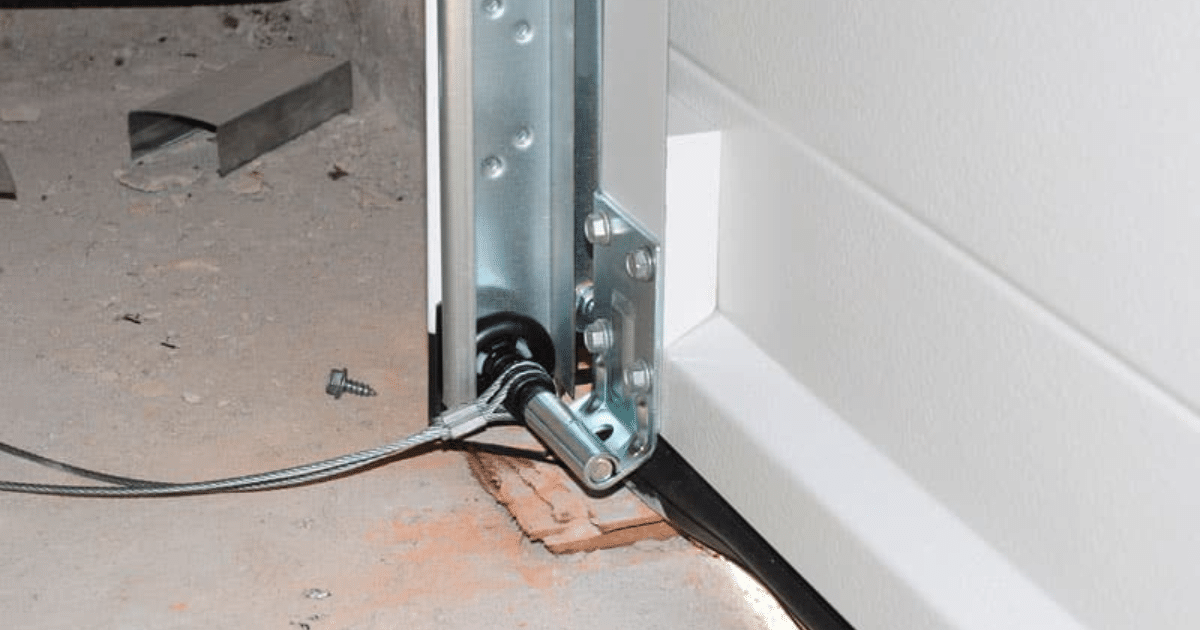
How Professionals Handle Garage Door Cable Replacement
Trained technicians follow a precise process during every garage door cable replacement to make sure the system operates safely and correctly after the repair.
Here is how professionals handle garage door cable replacement:
- Full system inspection is completed before any repair work begins
- Torsion spring tension is released safely using specialized winding bars
- The old cable is removed from the drum and the bottom bracket without disrupting the winding pattern
- The new cable is installed, seated, and tensioned to match the door’s exact specifications
- Spring tension is reset, and both sides are calibrated for balanced operation
- Door balance, alignment, and opener function are tested before the job is closed out
Every step a professional follows is designed to restore smooth operation and prevent future issues across the entire garage door system.
Skip the Risk and Let a Professional Replace Your Garage Door Cables the Right Way
Replacing garage door cables yourself is never worth the spring tension, the specialized tools, and the risk of serious injury that comes with every attempt. Every reason covered in this guide points to the same answer: stop using the door, stay away from it, and call a professional who knows exactly what the job demands.
MF Solutions has been serving homeowners in Buffalo Grove, IL, with precise, thorough garage door cable replacement that gets the job done the first time correctly. Contact us or give us a call today, and let our trained technicians handle the repair so you never have to wonder whether your garage door cables were replaced correctly.