
Garage door cables carry the full weight of the door through hundreds of cycles every year, and that constant stress eventually leaves a mark. When those cables begin to fail, the door starts behaving in ways that signal a problem is already developing.
Knowing what those warning signs look like gives homeowners a real chance to act before the situation gets out of hand. This guide breaks down every sign of a failing garage door cable and explains what to do next.
What Happens When Garage Door Cable Breaks?
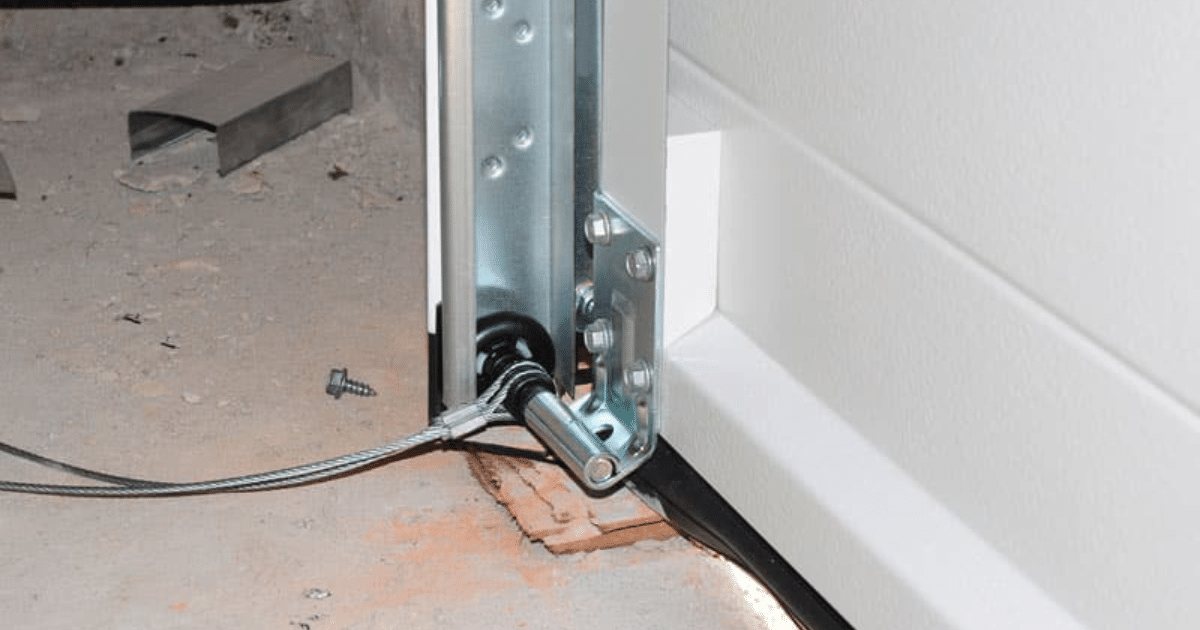
When a garage door cable breaks, the door immediately loses the balance and control it needs to operate properly, and the stress from that failure spreads instantly to every connected part of the system.
Here is what happens when a cable breaks:
- One side of the door drops while the other stays in place, creating a dangerous tilt.
- Spring tension shifts unevenly, forcing the remaining hardware to compensate.
- Continued operation exceeds the opener’s normal load capacity.
- Slipping off the tracks becomes likely as the door loses its guided path.
- Connected components such as drums, brackets, and pulleys bear stress they were never meant to endure.
To understand what puts garage door cables under this kind of stress in the first place, read our guide on What Causes Garage Door Cables to Break?, which covers the mechanical and environmental factors that lead to a cable failure before it happens.
Why Do Garage Door Cables Break?
Garage door cables break due to a combination of physical stress, environmental damage, and mechanical imbalance that builds up over time.
- Constant use wears down cable strands until they can no longer hold tension.
- Rust and corrosion from moisture weaken the steel and increase the risk of failure.
- Improper installation allows the cable to rub against the drum, leading to uneven wear.
- A broken spring forces the cables to bear the full weight of the door.
- Extreme cold causes metal cables to contract and expand repeatedly, speeding up deterioration.
Addressing these causes early through regular inspections is the most effective way to prevent an unexpected cable failure.
Common Warning Signs Your Garage Door Cables Are Failing
The Door Opens or Closes Unevenly
Uneven movement is one of the earliest signs that a garage door cable broke on one side and the door has lost its balanced support.
Watch for these movement patterns when the door is in operation:
- One side rises higher than the other during every cycle
- Visible tilting appears while the door is in motion
- Uneven load transfers directly to the opener and tracks
- Forcing the door to continue moving accelerates wear on connected parts
- The door may stop mid-cycle as the opener detects the resistance from the imbalance
Addressing this early gives you a window to fix the problem before it turns into a garage door emergency that affects other components.
Cables Look Frayed, Worn, or Damaged
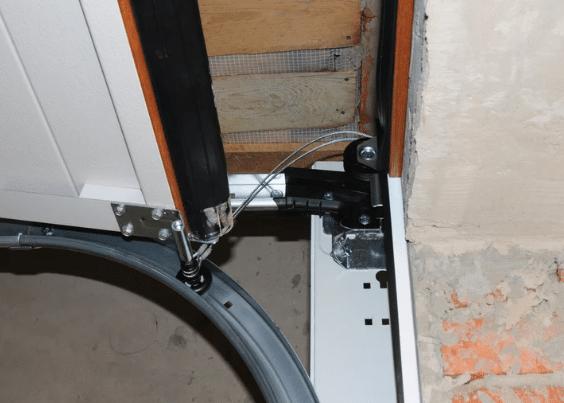
Visible damage to the cable is a direct indicator that the steel strands are degrading, and a snap is likely imminent.
Look for these specific signs of physical cable damage:
- Frayed or split strands stick out from the cable body
- Dark discoloration or rust spots appear along the cable length
- Wire separation shows the cable has lost its full structural integrity
- Worn sections near the drum or bottom bracket are the most common failure points
- A cable that looks thin or twisted in any area is already past its reliable working condition
Fraying at any point along the cable means the entire cable has been compromised and needs professional attention.
Cables Are Loose or Sagging
A loose cable has lost the tension it needs to support the door’s weight, and that slack signals the system is no longer operating correctly.
Pay attention to these indicators of lost cable tension:
- Cables hang away from the drum instead of sitting taut
- Slack near the bottom of the door indicates lost tension or detachment
- A loose cable on one side causes the door to bind or move at an angle
- Operating the door in this condition puts immediate stress on the springs and opener
- Sagging cables near the bottom bracket are one of the most visible signs of cable failure
Loose cables are a visible sign that the system needs a professional garage door repair inspection without delay.
Strange Noises When the Door Moves
Unusual sounds during operation signal that something inside the cable system is rubbing, slipping, or failing under load.
Different sounds point to different stages of cable deterioration:
- Grinding or scraping points on cables rubbing against the drum or track
- Banging suggests a cable has snapped or slipped off its anchor point
- Popping often occurs when a cable is about to give out under tension
- Squealing during movement indicates friction in areas that should move freely
- Rattling near the cable drum area suggests the cable is no longer sitting properly in its groove
Noise changes in a garage door system are reliable early indicators of mechanical failure that deserve immediate attention.
The Door Feels Heavy or Moves Slowly
When cables fail, the door loses its mechanical support, and the full weight becomes noticeable during operation.
Notice these physical changes in how the door performs:
- Lifting the door manually feels significantly harder than it normally should
- The opener slows down or struggles to complete a full cycle
- Stopping midway signals that the opener is detecting abnormal resistance
- Extra strain on the motor during every cycle shortens the opener’s lifespan
- A door that suddenly feels heavier than usual is a strong indicator that cable tension has been lost
Difficulty moving the door is a strong sign that the cables and springs are no longer sharing the load the way they should.
The Door Came Off Its Track
A door that has left its track almost always indicates a failed cable that can no longer keep the door properly guided along its path.
Several physical signs confirm the door has come off its track due to a cable issue:
- One side of the door juts forward or sits at an unnatural angle
- Visible bending or stress marks appear on the garage door panel
- Rollers pop out of the track when a cable snaps and releases tension suddenly
- Damage to the track and panels follows quickly after the door leaves its guided path
- Gaps between the door edge and the track frame become visible on the affected side
An off-track garage door is almost never a standalone problem, and a full cable inspection is required before the door is reinstalled or used again.
Is It Safe to Use a Garage Door With Broken Cables?
Using a garage door with broken cables puts the entire system under dangerous, uncontrolled stress with every cycle.
Here is what operating a damaged door actually puts at risk:
- A door without cable support can fall suddenly and without warning
- Broken cables force the springs to carry a load they cannot handle alone
- The opener motor strains against uneven weight and wears out faster
- An unbalanced door grinds against the track and causes permanent misalignment
- Anyone standing near the door during a failure faces a serious risk of injury
- Continued use accelerates damage to the panels, drums, and bottom brackets
To get a full breakdown of every safety risk involved, read our guide on Is It Safe to Use a Garage Door With Broken Cables?, which walks through what actually happens to the system and the people around it when a broken cable goes unaddressed.
What to Do When You Suspect a Broken Garage Door Cable
Suspecting a broken garage door cable means the system should be handled with caution until a professional has confirmed the condition of every component.
Follow these steps as soon as you suspect a cable problem:
- Stop using the door immediately to prevent additional stress on the springs and opener
- Disconnect the automatic opener to avoid accidental activation
- Visually inspect the cables from a distance without touching them
- Check the bottom bracket and drum area for visible slack, fraying, or detachment
- Document the damage with photos before calling a technician
A professional inspection is the only way to confirm the full extent of the damage and determine the right course of action.
How to Fix a Broken Cable on a Garage Door
Fixing a broken cable on a garage door requires professional training, specialized tools, and a full understanding of how a high-tension spring system works.
Factor | DIY Repair | Professional Repair |
Safety | High risk of injury from spring tension | Trained to handle high-tension components |
Tools | Requires specialized equipment that most homeowners lack | Arrives with proper tools for the job |
Accuracy | Incorrect tension leads to repeated failures | Cable tension set to manufacturer specifications |
Time | Longer without experience | Completed efficiently in a single visit |
Outcome | Risk of improper installation | Guaranteed correct installation and full system check |
To find out whether this is a job you can handle yourself, read our guide on Can You Replace Garage Door Cables Yourself?, which breaks down the process and why professional handling is almost always the better path.
How Buffalo Grove, IL Homeowners Can Prevent Cable Failures
Preventing cable failures comes down to consistent attention to the parts of the garage door system that experience the most stress during daily use.
Keep these preventive measures in place to extend the life of your cables:
- Schedule annual professional inspections to catch wear before it becomes a structural issue
- Lubricate cables, drums, and springs regularly to reduce friction and corrosion
- Investigate unusual sounds or movement changes before the underlying cause worsens
- Keep tracks clear of dirt so the door rolls without putting extra load on the cables
- Never hang items from the cables or bottom brackets since added weight damages components not built for it
Small and consistent habits are what keep garage door cables in good working condition and reduce the likelihood of an unexpected failure.
Take Action the Moment You Notice Your Garage Door Cables Are Failing
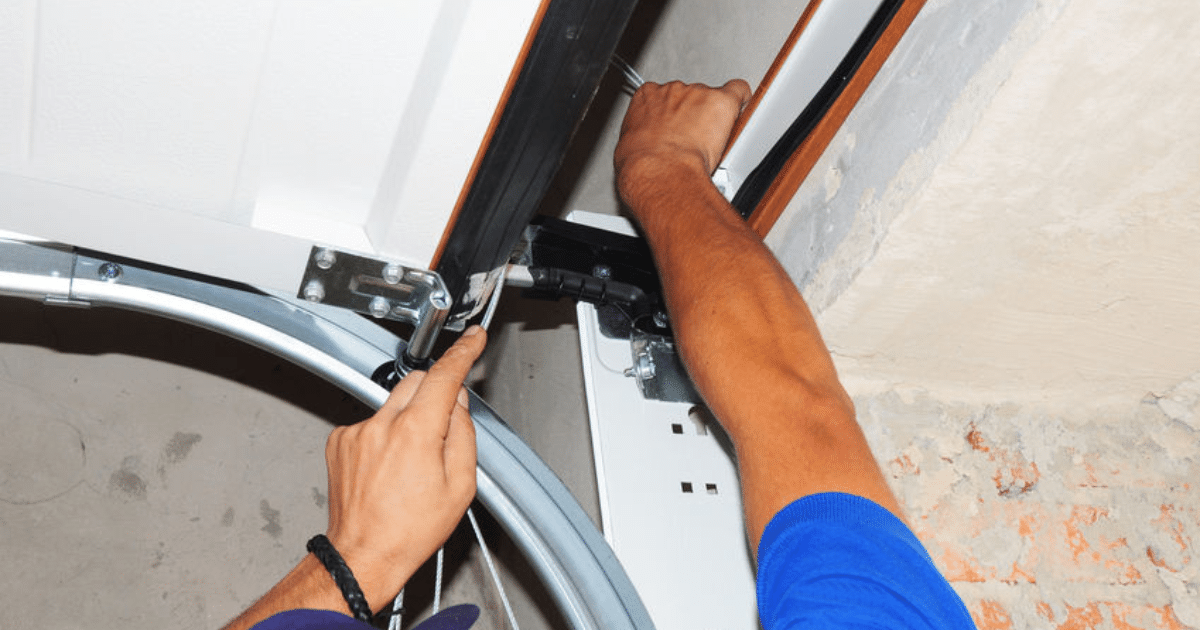
Frayed cables, an uneven door, strange noises, and a door that feels too heavy are all signals that the cable system is under stress and needs immediate attention from a trained professional. Waiting on any of these warning signs gives the damage more time to spread to the springs, drums, and opener.
MF Solutions has been serving homeowners in Buffalo Grove, IL, with honest and thorough garage door cable repair and replacement that gets the job done correctly the first time. Contact us or give us a call today, and let our licensed technicians address every warning sign before your garage door cables fail completely.