
A garage door opener is one of the most used systems in a home, yet early warning signs often go unnoticed until performance starts to decline. Delayed response, unusual noises, reversing during operation, or inconsistent closing can all signal the need for professional garage door opener repair in Buffalo Grove, IL, especially when those issues begin to repeat.
In this guide, you will learn the most common signs that indicate opener trouble, what those symptoms usually mean, and why addressing them early matters. Understanding these warning signs can help protect safety, reduce strain on the system, and prevent unexpected disruptions to everyday routines.
Why Do Garage Door Opener Problems Get Worse Over Time?
Garage door opener issues rarely stay the same, because small changes often get worse as the system continues to run under strain. Several common factors explain why early symptoms can turn into bigger failures:
- Mechanical strain increases wear with each cycle.
- Electrical components degrade over time, leading to inconsistent performance.
- Safety behavior triggers more often when movement becomes unstable.
- System strain can spread and affect overall door movement.
- Small symptoms get ignored until performance drops.
For a broader overview of related problems and how they connect, read our blog on Common Issues That Require Garage Door Opener Repair in Buffalo Grove, IL, for additional context on what may be happening.
The Opener Responds Slowly Or Starts Moving Late
One of the earliest signs is a delay between pressing the control and the opener responding. You hit the button, there is a brief pause, and then the door moves, which can signal that the system is struggling to start smoothly.
Delay is not always consistent. Some days the system responds right away, and other days a second press is needed, which can point to internal wear, a control issue, or added strain during start-up.
In Buffalo Grove, IL, delays like this are a common reason homeowners search for “garage door opener repair near me,” as response problems often worsen when the system continues to operate under strain.
Watch for patterns like these:
- The door starts a second or two late.
- The first press does nothing, but the second press works.
- The opener light turns on, but the door does not move right away.
Clear definitions help explain why these symptoms matter. A garage door opener is the powered device that moves the door, and a change in start-up behavior is a strong sign that professional evaluation is needed.
The Door Movement Is Uneven Or The Opener Strains During Operation
Uneven motion can appear as a stutter, a shudder, or a stop-and-go feel. In many homes in Buffalo Grove, IL, this is especially noticeable with sectional garage doors, which travel on tracks in sections and depend on a steady pull.
Uneven travel often means one of two things is happening:
- The operator is struggling to deliver a steady force.
- The door system is creating resistance that the operator has to overcome.
When the system strains, it can shorten lifespan and increase the risk of larger breakdowns. Strain also affects functionality, since the door may not open or close the same way each time.
A technician will typically evaluate the door balance, travel path, and the operator’s force behavior. That diagnosis helps determine whether the issue is in the operator drive assembly or in the door system.
The Opener Makes New Or Worsening Noises During Operation
Noise changes are not just annoying, since a new rattle, grind, or buzz often signals that wear is building somewhere in the moving system. As wear increases, movement can become less consistent, potentially affecting safe operation during closing.
Here are common sound patterns and what they often suggest:
- A sharp click at the start or stop can indicate a worn internal part or a mounting issue.
- A grind can suggest friction or wear in the drive path.
- A loud rattle can point to looseness in the moving drive mechanism.
Drive design affects how the wear sounds during operation. A chain drive may get louder when the metal chain loosens, a belt drive may get noisy if the rubber belt is worn or slipping, and a screw drive may sound harsh when the threaded drive begins to bind.
The CPSC rules were updated to reflect UL 325 entrapment protection provisions, which is why consistent reversing and monitoring behaviors are treated as essential safety requirements when door movement becomes unstable.
The Door Stops Mid-Cycle Or Reverses Without Warning
Doors that stop mid-cycle or reverse without warning should be treated as urgent, because unstable movement during closing increases both safety and security risk. The door may pause halfway before continuing, or reverse direction even when nothing is blocking the opening.
Repeated stop-and-reverse behavior often points to:
- Excessive force was detected during travel.
- Inconsistent signals from protection devices.
- Control instability that disrupts normal operation.
Stop-and-reverse patterns can quickly turn into safety and security concerns. A door that reverses and remains open leaves the garage vulnerable, while unexpected restarts create unpredictable movement around vehicles, pets, and daily household activity.
The Remote Work Inconsistently Or The Range Suddenly Changes
Remote behavior is a useful clue because it shows how stable the communication is between the control and the opener. If the remote used to work from the driveway and now only works close to the garage, the signal range has changed, and the system is no longer responding consistently.
Common signs include the following:
- Reduced range compared to normal.
- The remote work, then fails.
- Wall control works, but the remote is unpredictable.
Smart controls can add another layer of clues by sending activity notifications. The myQ app supports alerts for connected devices, and inconsistent or false notifications may be due to sensor behavior or connectivity issues.
Professional service tests how the remote signal is received and how the opener responds, helping pinpoint the cause and prevent the issue from recurring.
The Door Won’t Close Or Keeps Reopening
A door that won’t close can be a serious problem, compromising safety and security. In many cases, the door starts closing, stops partway, and then reopens. In other cases, the door refuses to close at all, which can be especially concerning at night when the garage needs to be secured.
Common ways this sign shows up include the following:
- Closing starts, but it reverses before reaching the floor.
- Midway through closing, it stops and reopens.
- More than one attempt is needed to fully close.
Repeated closing attempts can cause extra wear by having the operator cycle more than they should and work harder under strain. Over time, that strain can affect garage door openers and increase the chance of a sudden breakdown.
If this is the main issue you are dealing with, read our blog on Can a Garage Door Opener Repair Fix a Door That Won’t Close? for a focused explanation of how this symptom connects to operator performance and system safety.
The Opener Lights Flicker, The Unit Resets, Or Power Behavior Seems Unstable
Power symptoms can be subtle, but they often show up as inconsistent behavior that feels random. Light flicker, brief resets, or short power drops can interrupt normal operation and make the system less reliable.
Common power-related signs include the following:
- The opener light flickers during operation.
- The unit resets and stops responding for a moment.
- The operation becomes inconsistent, even when you use the same control.
- Alerts appear on a keypad or app that do not match normal use.
Power-related symptoms matter because unstable operation can disrupt safety behavior during door opening and closing and reduce overall reliability. If your system includes battery backup, switching between power modes can make the symptoms harder to interpret without professional testing.
A technician can confirm whether the power supply, wiring connections, and internal electronics are stable, then recommend the right next step.
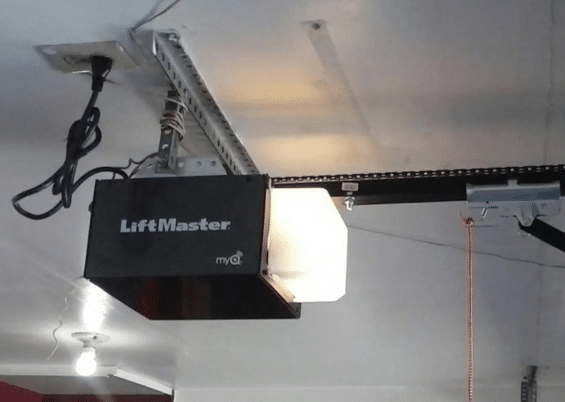
The Door Feels Unreliable For Safety Or Security
Unreliable operation is often a pattern, not a single event, and the pattern matters because the garage is a major access point for homeowners in Buffalo Grove, IL. Unstable movement, inconsistent response, or unexpected stopping can create safety concerns during daily use and can also leave the home less secure.
Common ways reliability problems show up include the following:
- The door opens or closes at different speeds on different cycles.
- The operation feels inconsistent, even when you use the same control.
- The system stops unexpectedly and requires another attempt to finish.
Safety guidance from the Door & Access Systems Manufacturers Association explains why consistent operation and reversing behavior are essential for safe use, and why recurring instability should be evaluated by a qualified professional.
When Is Garage Door Opener Repair No Longer Effective?
Recurring problems can indicate deeper wear within the system, especially when they recur shortly after service. In these cases, garage door opener repair may no longer provide reliable, long-term results, and continuing to service the system can increase the risk of unexpected breakdowns.
Technicians often look for patterns like these:
- Repeat failures in the same area.
- Growing noise and vibration over time.
- Unstable operation that returns soon after service.
Drive type and available garage space can also affect which upgrade path makes sense, especially when you compare the most common setups:
- Chain drive openers are strong, but they can get louder over time.
- A belt drive can be quieter and support smoother travel.
- Screw drive garage door openers have fewer moving parts, but thread wear can affect performance.
- Jackshaft garage door openers can be a fit when ceiling space is limited.
If you want the cost and decision factors laid out clearly, read our blog on Is Garage Door Opener Repair Cheaper Than Replacement? for the comparison logic without guesswork.
When Is The Best Time To Consider Garage Door Opener Installation?
The opener may still move the door, but changes in usage, door weight, or space can make the setup less effective over time. In that situation, garage door opener installation may be the smarter next step for safer, more reliable daily operation.
Installation is often considered when:
- Reliability has declined, and recurring issues keep returning.
- The current system does not match the door weight or usage pattern.
- Space limitations affect how the system should be mounted.
- Modern safety and control needs are not met by the existing setup.
That said, some households schedule an opener upgrade at the same time as a new garage door or other system updates as part of a complete garage door service plan. A properly matched operator helps the system run smoothly and reduces strain over time.
What A Professional Service Visit Focuses On In Buffalo Grove, IL
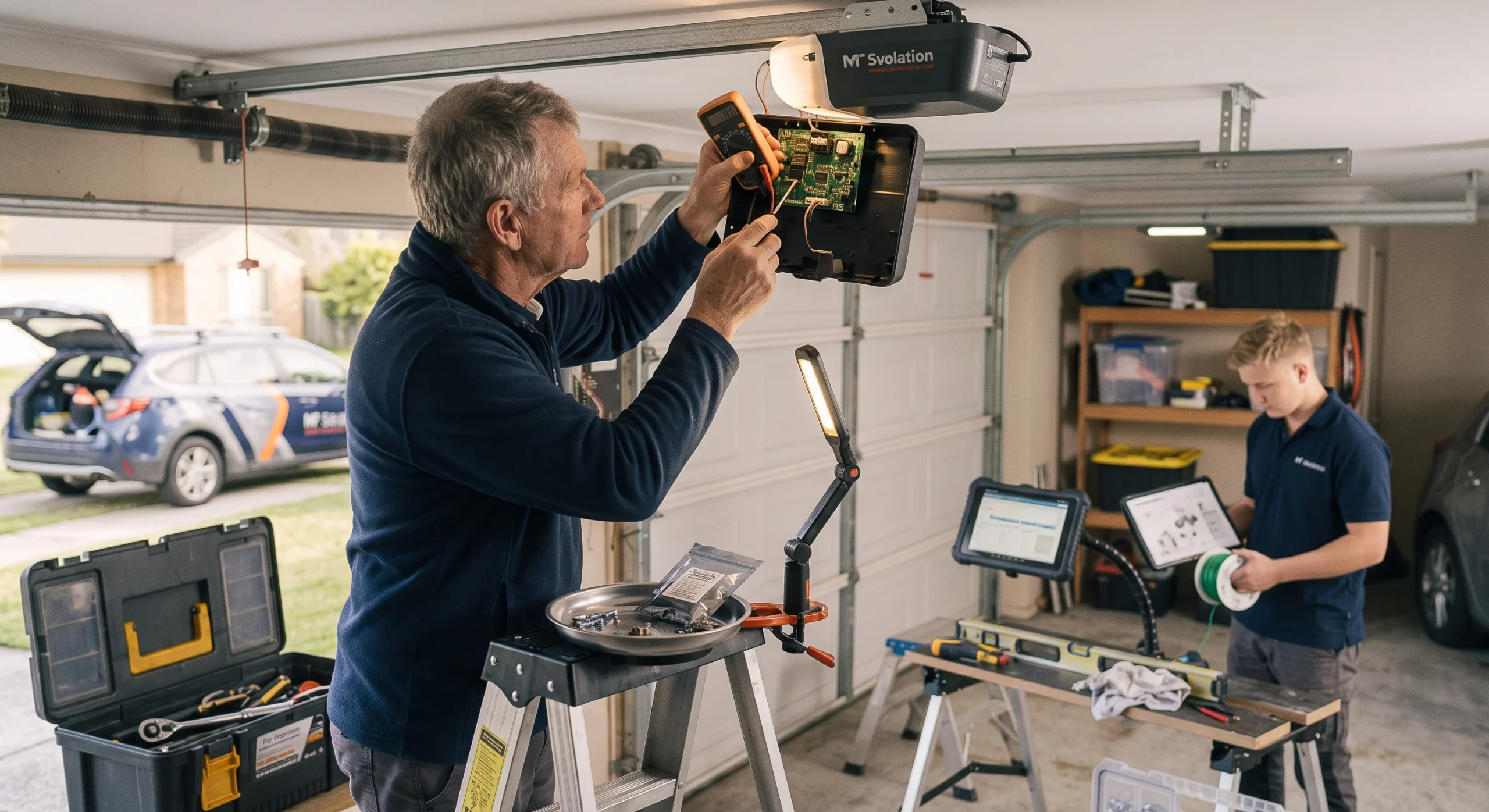
Professional service follows a consistent evaluation process and aims for precision from the start, so the real cause is identified instead of the symptoms being treated repeatedly.
Technicians typically evaluate the following:
- Drive system condition and travel behavior
- Force response during closing.
- Safety response and monitored protection behavior.
- Signal behavior from controls and receivers.
- Door movement and resistance can strain the operator.
Garage door opener repair works best when the root cause is corrected, not when the system is adjusted temporarily. Average service cost may depend on parts needed, labor time, operator type, and overall door condition, especially when opener issues overlap with garage door repair needs.
Some providers describe this approach as precision garage door service because it relies on repeatable inspection steps and consistent results rather than quick, surface-level adjustments.
Get Reliable Opener Performance Back In Buffalo Grove, IL
Recognizing the signs early can help you avoid bigger disruptions and restore safe, reliable daily access. Slow response, unusual noises, mid-cycle stops, reversing, and inconsistent closing often indicate issues that warrant professional attention before the system becomes unpredictable.
MF Solutions provides professional service in Buffalo Grove, IL that focuses on accurate diagnosis and long-term reliability, not temporary adjustments. When you are ready to restore dependable operation and safer daily use, contact us today or give us a call today to schedule your service and get clear next steps.