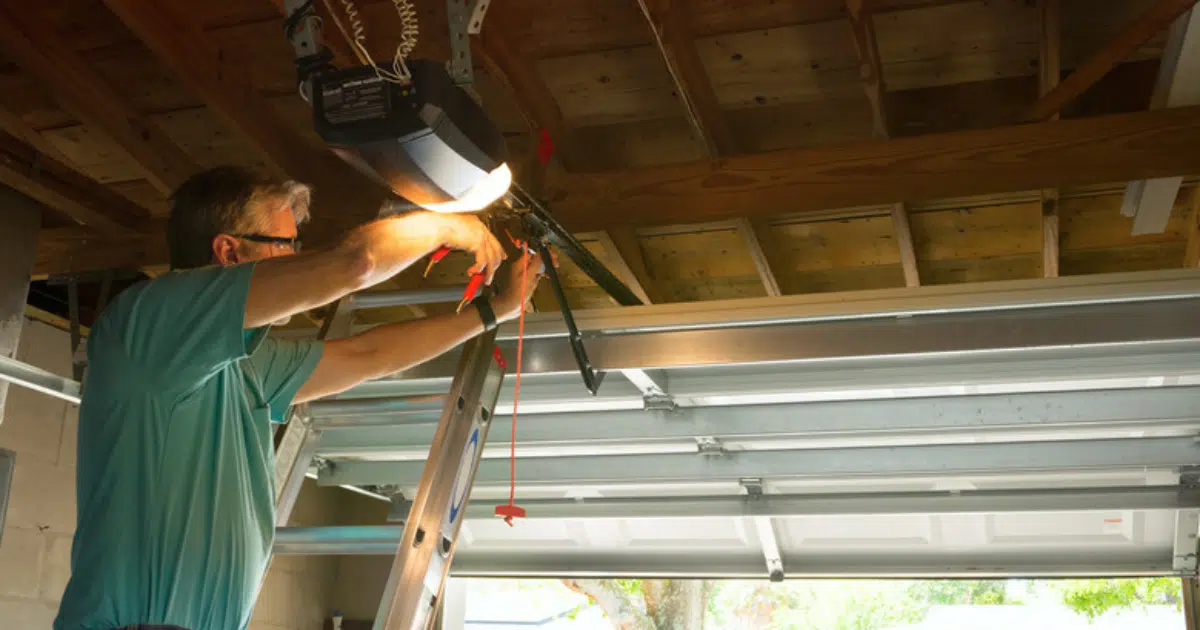

A garage door that does not operate properly can quickly become a safety concern or a daily inconvenience for homeowners in Buffalo Grove, IL. Many issues that require garage door opener repair do not happen all at once but start with small changes, such as unusual noises, delayed response, or a door that reverses before reaching the floor.
This guide explains the most common opener-related problems, what they usually indicate, and which checks are safe to perform before calling for help. By understanding these warning signs early, you can avoid unnecessary strain on the system and make better decisions about repair or replacement.
What Should You Do Before Troubleshooting an Opener Issue?
Before troubleshooting, start with a simple plan: reduce risk, gather clues, then take action. Use this checklist to avoid accidentally creating a dangerous situation.
Pause right away if you notice any of these warning signs:
- The door moves unevenly, wobbles, or shifts to the side during travel.
- The door reverses more than once while closing, especially near the floor.
- You hear a new grinding, popping, or loud snap.
- The door drops faster than expected when you try to operate it manually.
Do these safe checks first:
- Remove any items near the sensors and tracks so nothing blocks movement.
- Confirm the opener is plugged in, the outlet works, and the breaker or GFCI is on.
- Wipe the sensor lenses and make sure both sensor lights are steady.
- Write down any blinking lights, beeps, or app alerts before changing settings.
- Test the wall button first, then the remote, then the keypad to narrow the cause.
Before troubleshooting further, read our blog on Signs You Need Garage Door Opener Repair in Buffalo Grove, IL, to confirm whether what you are seeing is a warning sign that should be checked by a professional.
The International Door Association also shares a Care & Maintenance guide that reinforces homeowner-safe checks and explains when a trained technician should take over for safety.
Issue 1: The Opener Has Power but Will Not Run
This is a common reason homeowners request garage door opener repair. The lights turn on, but the door will not move when you press the wall control or remote.
What you may notice:
- The opener’s lights are on, but nothing happens when you press the wall button.
- You hear a click or a hum, but there is no movement.
- The opener works sometimes, then stops responding later.
What this often points to:
- A power delivery problem, such as a tripped breaker, a needed GFCI reset, a loose plug, or a worn outlet.
- A control issue where the wall button is not sending a signal, or wiring is loose or pinched.
- An internal electrical issue, such as a worn board, receiver problem, or motor control fault.
Safe checks that usually help narrow it down:
- Plug a small device into the same outlet to confirm the outlet works.
- Reset the GFCI if the garage outlet is protected by a GFCI.
- Try the wall button and the remote separately, and note which one works more reliably.
- Confirm lock mode is not enabled if your wall control includes that feature.
If the unit has power and still will not run, an expert can test the logic board and the garage door motor, then confirm whether the door lifts smoothly by hand, because resistance in the door system is often the hidden cause addressed during garage door repair.
Issue 2: The Door Will Not Close or Reverse Before Touching the Floor
A door that will not close is frustrating, but reversing is often the system doing its job. Modern openers are designed to reverse when they sense an obstruction or unusual resistance.
Common symptoms:
- The door starts down, stops, then reverses.
- The door closes partway, then opens again.
- The opener light flashes during the attempt to close.
Most common causes:
- Sensor alignment is off because the photo eyes are not aimed correctly, or the bracket shifted slightly.
- Dirty lenses from dust, cobwebs, or moisture block the beam.
- Sun glare hits a sensor at an angle, causing the beam to be confused.
- Resistance in the door path, like debris in the track, a tight roller, or rubbing hardware, triggers reversal.
- Travel or force settings are off, so the opener “thinks” it hit the floor early or met resistance too soon.
Safe checks you can do:
- Confirm both sensor lights are on and steady.
- Clean the lenses and make sure nothing blocks the beam.
- Inspect the track area for small debris and remove it.
- Watch the door as it moves and note where it reverses, such as “always within the last foot.”
Chamberlain’s official troubleshooting guidance explains that flashing opener lights often relate to the safety reversing sensors or a control setting like LOCK, and it outlines safe steps to check.
If the reversal persists after basic checks, schedule garage door opener repair, as repeated reversing can create unpredictable movement that is not worth risking.
For a deeper look at this issue, see our guide on Can a Garage Door Opener Repair Fix a Door That Won’t Close? to understand what usually triggers the reversal and when to stop using the door.
Issue 3: Remote, Keypad, or Wall Control Response Problems
When controls work “sometimes,” it is usually a signal, settings, or receiver issue rather than a door hardware failure.
What you may notice:
- The remote only works when you are very close to the door.
- The keypad does not respond even after you enter the correct code.
- The wall control works, but the remote either does not or works but the wall control does not.
Common causes:
- The remote battery is weak, and the signal to the opener is unreliable.
- Nearby electronics, such as LED bulbs or routers, are causing interference.
- The remote or keypad lost programming after a power outage or reset.
- The wall control or wiring has worn over time and is no longer sending a stable signal.
Practical steps that usually help:
- Replace the remote battery and test from your normal driveway distance.
- Reposition the opener antenna so it hangs straight down and is not tucked into the housing.
- Check the wall control for lock mode and turn it off if it is enabled.
- Reprogram the remote or keypad using the opener’s learn button if the manual recommends it.
If your system uses a rail with a trolley, vibration can gradually loosen mounting or wiring points, so a technician may secure those connections and restore consistent control during garage door opener repair.
Issue 4: Excessive Noise, Vibration, or Grinding During Operation
Noise is a strong clue because different sounds often point to specific wear patterns. If the sound changes suddenly or becomes louder than usual, it should not be ignored.
Common noises and what they may indicate:
- Rattling usually points to loose mounting bolts, vibration at the ceiling bracket, or rail movement.
- Grinding often indicates worn internal gears or a worn sprocket inside the opener.
- Squealing can mean dry moving points that need proper lubrication at approved locations.
- Banging or clunking may signal a loose bracket, a worn roller, or a track issue causing impact during travel.
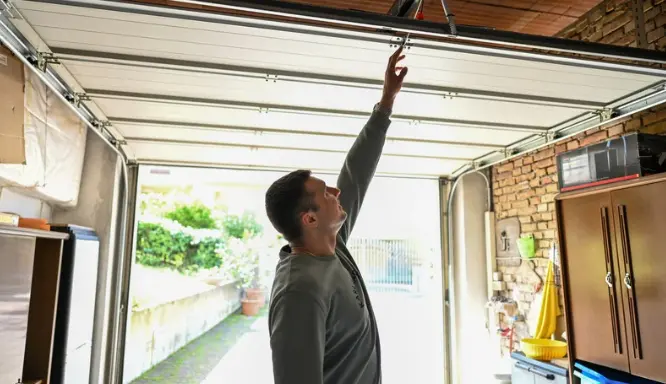
Why does driving style affect noise?
- A chain drive uses a metal chain to pull the door, which can be durable but louder if the tension is incorrect.
- A belt drive often uses a rubber belt to absorb vibration and provide smoother operation.
- A screw drive moves the door using a threaded rod, and temperature changes can affect how it sounds and performs.
Chain drive systems often need chain tension and sprocket wear checked, while belt drive openers should be reviewed for belt condition and alignment, which can explain why the sound changes over time.
New or worsening noise is an early warning sign, so scheduling garage door maintenance can catch loose hardware and worn parts early, and garage door opener repair can address issues that are already affecting smooth operation.
Issue 5: The Opener Runs but the Door Barely Moves or Stops Mid-Travel
If the opener runs but the door barely lifts, the system is working against resistance. This often happens with heavy doors, friction in the tracks, or a door that is out of balance.
What you may notice:
- The motor runs, but the door only moves a few inches.
- The door stops halfway and then works again later.
- The opener feels warm or hot after repeated attempts.
Likely causes:
- The door balance is off, so the opener is carrying more weight than it should.
- Track resistance from binding rollers, misaligned sections, or rubbing hardware slows movement.
- Overload protection activates and shuts the system down to prevent overheating.
This issue is common with sectional garage doors, especially when rollers or hinges wear down. It can also happen after a new garage door is installed without proper balance verification. The safest step is to stop repeated cycling, note where the door stalls, and schedule garage door opener repair so the issue is corrected without adding strain.
Issue 6: Sensor Alignment or Settings Problems After Changes
Some problems appear right after a change, like a power outage, a bumped sensor bracket, or a reset on the opener.
Common triggers:
- A power outage resets limits or force settings.
- Stored items bump the sensor brackets.
- Wiring is pulled or pinched during storage reorganization.
- Seasonal lighting creates new glare angles near the sensors.
What to do when behavior changes suddenly:
- Check sensor alignment first, then confirm the indicator lights are steady.
- Confirm nothing blocks the beam at the bottom of the doorway.
- Note any flashing patterns or beeps before you reset anything again.
- If you have smart notifications, write down the message text.
If you have battery backup, it can maintain access during outages, but it will not overcome track resistance or a door that is out of balance. When settings drift, a technician can recalibrate travel and force to restore stable operation during garage door opener repair.
Issue 7: Wear and Age That Point to Garage Door Opener Replacement
Even with solid maintenance, parts wear out. When repairs become frequent or parts are difficult to source, it may be time to consider garage door opener replacement.
Signs that wear is becoming the main problem include:
- The door works for a short period after garage door service, then the same symptom returns.
- Multiple parts of the drive mechanism have worn, not just one.
- The system fails safety tests or exhibits inconsistent behavior.
Safety standards are a major reason older equipment is often upgraded. The federal safety rule for automatic residential garage door operators includes entrapment protection requirements and explains how operators must operate to reduce the risk of entrapment.
If you are weighing repair versus replacement, review our guide on Is Garage Door Opener Repair Cheaper Than Replacement? to compare costs, reliability, and parts availability.
What to Expect From Professional Garage Door Opener Installation
Professional garage door opener installation should feel organized and test-driven. The goal is a secure mount, correct settings, and verified safety performance.
A complete installation process usually includes:
- Confirm that the door moves smoothly by hand before installing anything.
- Mounting the unit securely and aligning the rail system.
- Setting up sensors at the correct height and angle.
- Programming travel limits and force settings.
- Testing safety reversal and sensor response.
- Teaching you how to operate and test the system.
If the system is a rail style, a technician will ensure the rail and trolley track are straight during travel. If the system is wall-mounted, the installer will confirm the jackshaft placement and alignment at the side of the door. When installation is completed with care and precision, the system tends to run quieter, last longer, and avoid repeat service calls.
Get Your Garage Door Working Safely Again in Buffalo Grove, IL
If your door is reversing, stalling, making new noises, or refusing to run even though power is present, stop repeated cycles and write down the symptoms. Note what the door does, where it stops, and whether any lights flash, because those details help pinpoint the cause faster.
At MF Solutions, we help Buffalo Grove homeowners restore safe, reliable operation by finding the root issue and recommending the right fix for long-term performance. Contact us today or give us a call to schedule service and get your garage door working properly again.