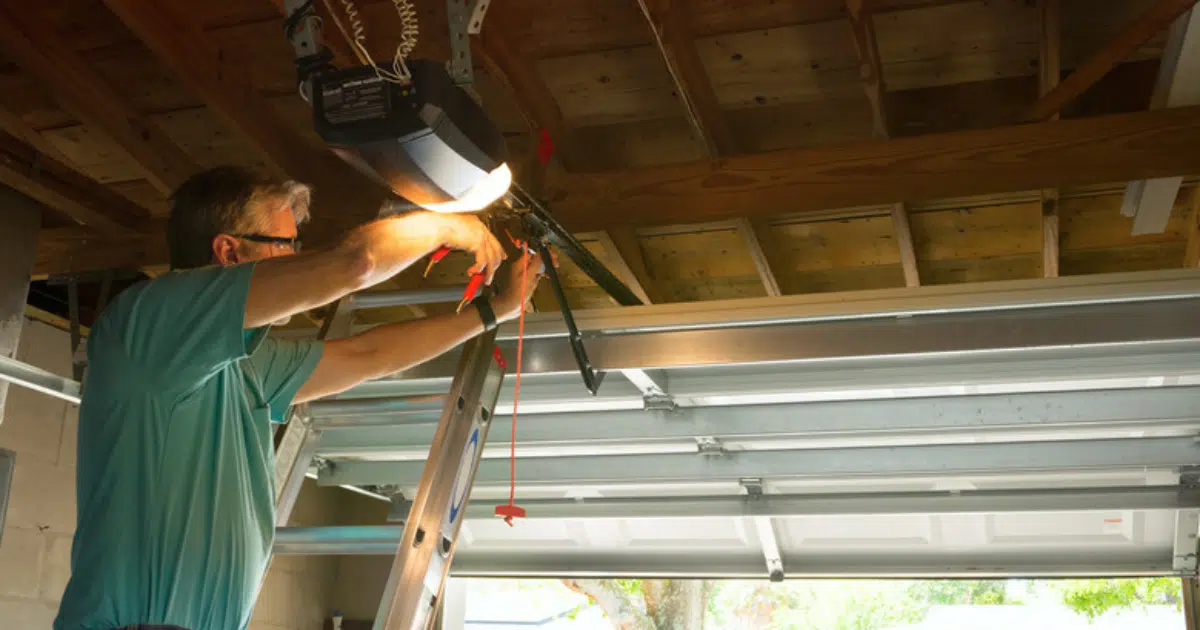

When a garage access system starts failing, many homeowners in Buffalo Grove, IL, wonder whether repairing the opener is the smarter option or if replacing the unit makes more sense. This question often arises after inconsistent operation, delayed responses, or repeated issues that interrupt daily use and raise concerns about reliability.
This article explains how garage door opener repair compares to replacement by breaking down the key factors that influence the decision. Instead of focusing on pricing, it looks at system condition, performance consistency, part availability, and long-term dependability to help you understand which option delivers better value for your situation.
Common Reasons Homeowners Compare Garage Door Opener Repair vs Replacement in Buffalo Grove, IL
When a garage access system starts acting up, it can be hard to tell whether a targeted service visit is enough or whether a full upgrade is the smarter move. In Buffalo Grove, IL, the best decision usually depends on what failed, how consistent the system is, and whether the unit can be restored to reliable daily operation.
Many homeowners start this comparison after searching for “garage door opener repair near me” when the system fails unexpectedly, and they need a fast, reliable answer on whether to fix or replace the opener.
Common warning signs include:
- A motor that hums but does not move
- A remote that works only sometimes
- A wall button that responds late
- A door that reverses during the final inches of travel
- Uneven or unpredictable movement during opening and closing
If you want a broader breakdown of what typically triggers these problems, read our guide on the Common Issues That Require Garage Door Opener Repair in Buffalo Grove, IL, before you compare repair and replacement, since it explains the most frequent opener failures, the symptoms they cause, and how those issues usually shape the best service decision.
To understand why modern systems emphasize safety testing and entrapment protection, the U.S. Consumer Product Safety Commission explains how automatic residential garage door operators are regulated and why proper testing matters for safe daily operation.
Is Repair Cheaper Than Replacement?
Before choosing between repair and replacement, it helps to compare both options using the same set of practical factors. Each factor below looks at how the condition of the system, long-term reliability, safety requirements, and performance expectations can influence whether repairing the opener or replacing it delivers better overall value.
Repair Outcome and Safety Testing Results
A professional garage door opener repair is most valuable when it restores stable operation and passes safety testing, not just when it gets the system moving again, because the real comparison is whether the issue is isolated and fixable or whether deeper platform failure makes repeat problems more likely.
What a thorough repair evaluation typically confirms:
- Consistent operation across repeated cycles.
- Correct sensor response and reversal behavior.
- Travel and force settings that remain stable.
- Drive-system condition and key wear points.
- Whether the ongoing service is realistic based on the overall condition.
If the opener cannot hold settings, resets repeatedly, or becomes unreliable again soon after service, replacement often becomes the better value because the long-term result is more dependable.
If the main issue is the door refusing to shut, read our blog on Can Garage Door Opener Repair Fix a Door That Won’t Close? to see how close-cycle behavior and sensor response can change the recommendation.
Parts Availability and System Compatibility
Parts availability is a major decision driver because repair is only practical when the correct components can be sourced and matched to your existing setup, and aging systems often run into discontinued electronics, unsupported boards, or controls that no longer pair reliably.
Signs that parts and compatibility may influence the recommendation include:
- The model is no longer supported by the manufacturer.
- The control board is failing, and a direct replacement is not available.
- Your remotes and wall station use an older protocol that is difficult to match.
- The system has been modified over time, creating a compatibility mismatch.
For a technical reference on federal residential operator safety rules, the Electronic Code of Federal Regulations provides the full text of 16 CFR Part 1211 in an official format commonly used for compliance and safety review.
When a core component cannot be replaced with a compatible part, replacement is often the more dependable option, as the goal is stable performance rather than repeated troubleshooting.
Reliability Over Time and Repeat Failure Risk
Cost is not only about today’s service visit. It also depends on whether the system continues to operate consistently after service, because repeat failures often signal deeper wear that makes replacement a better long-term value.
Common repeat-failure patterns that often change the recommendation include:
- An intermittent operation that returns after a short period of normal use.
- Travel settings that drift, leading to inconsistent stopping points.
- Unreliable remote response even after programming and verification.
- Reversal events that occur without a clear external cause.
- Increasing noise, vibration, or uneven movement during operation.
Reliable performance is not a luxury because consistent operation reduces repeat service visits, protects the door system from added strain, and helps ensure the repair-versus-replacement decision delivers long-term value instead of short-term relief.
Service Scope That Shapes Repair vs Replacement Value
The average cost may depend on how complex the problem is to diagnose and correct, whether compatible parts are available, and how much testing is required to confirm safe, stable operation after service.
Cost drivers that commonly affect scope include:
- Diagnosis time is needed to confirm the root cause.
- Whether the issue is mechanical, electronic, or both.
- Part availability and compatibility with your current controls.
- Whether the system can be stabilized through post-service testing.
- Door-related strain that may need correction before reliable operation.
- Scheduling urgency and access conditions in the garage.
These cost drivers matter because they influence not only the scope of work, but also whether repair can deliver dependable performance or if replacement is the more practical long-term choice.
When Replacement Is the Better Long-Term Value
Garage door opener replacement is often the better value when a repair cannot restore stable operation, and the risk of repeated failure remains high.
Replacement is often favored when:
- Frequent breakdowns continue after service.
- Key electronics are failing, and compatible parts are limited.
- Compatibility issues keep returning on an older unit.
- Daily use demands a level of reliability that the current system cannot deliver.
Some garages also have limited overhead space, and in those layouts, jackshaft openers (also called jackshaft garage door openers) may be a better fit when the door system supports that configuration.
As replacement becomes the better long-term choice for reliability and safety, the Federal Register summary provides an official overview of updated federal safety requirements for automatic residential garage door openers, explaining what changed and why it matters.
Door Movement Issues That Affect Opener Performance
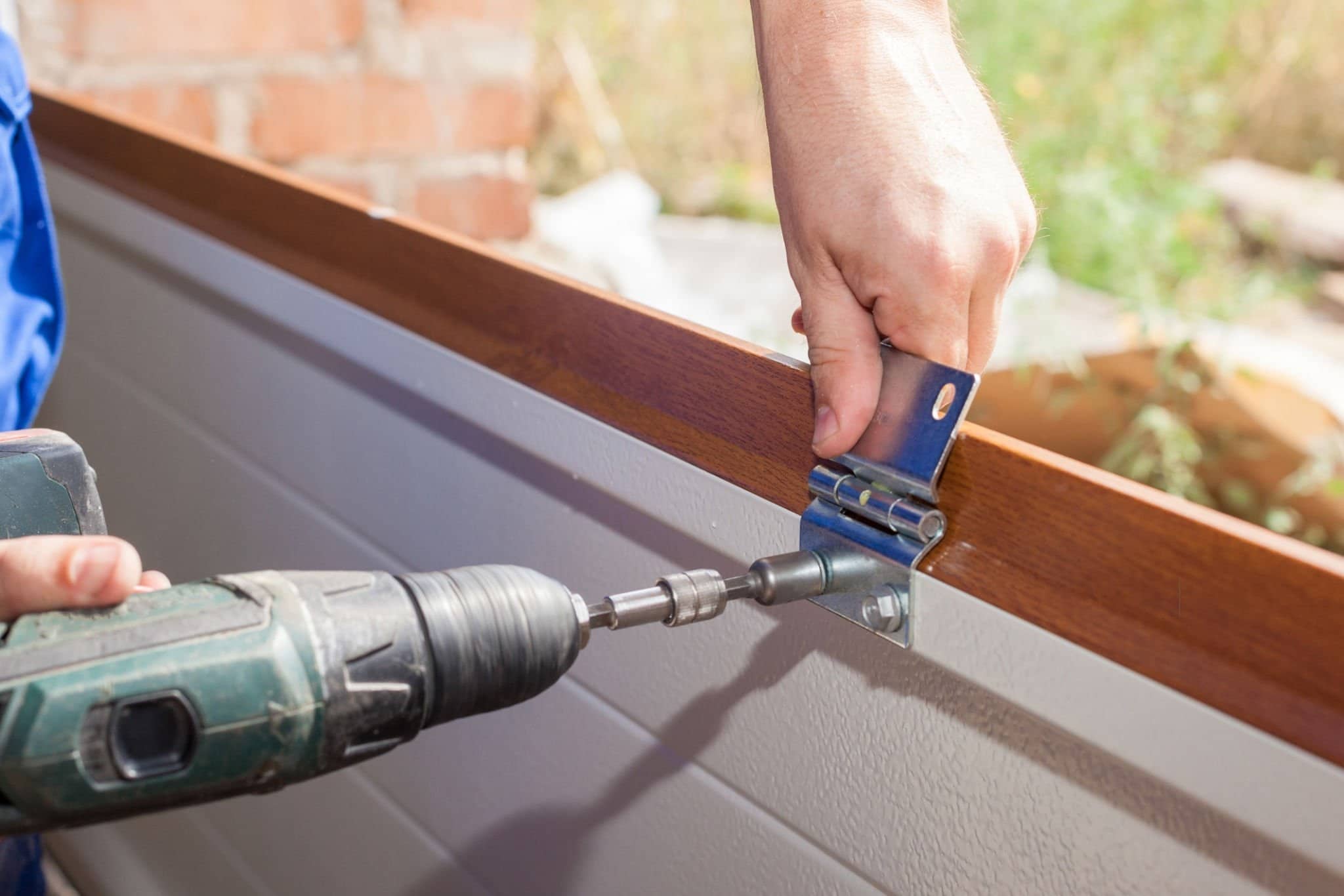
The motor unit is only one part of the system, and when the door is heavy, binding, or misaligned, it can overload the operator mechanism, increasing the risk of repeat failures and shifting the repair-versus-replacement recommendation.
During an evaluation, technicians commonly verify:
- Smooth travel from fully open to fully closed without sticking or jerky movement.
- Track alignment and hardware conditions that can affect motion on sectional garage doors.
- Signs that the door is creating extra strain that can trigger stopping, reversing, or slow movement.
- Whether related garage door service or garage door repair is needed to reduce the load and restore stable operation.
A balanced door matters because excessive strain can shorten motor life, reduce reliability, and increase the risk of recurring issues even after service.
If warning signs are increasing over time, read our blog on Signs You Need Garage Door Opener Repair in Buffalo Grove, IL, to review the most common symptoms and how they typically affect the repair-versus-replacement decision.
What Professional Opener Installation Includes
When a replacement is chosen, garage door opener installation should include steps to ensure the system issafe, stable, and reliable for daily use.
A professional installation typically includes:
- Matching horsepower to the door’s weight and usage needs.
- Confirming compatibility with the type of garage door and the mounting layout.
- Setting travel limits and force for controlled movement and accurate stopping.
- Verifying safety features, including sensor response and reversal behavior.
- Running repeat cycle tests to confirm consistent functionality during opening and closing.
Proper installation matters because accurate setup and post-install testing reduce repeat problems, improve long-term reliability, and help ensure the opener performs consistently in everyday use.
Final Decision Framework for Buffalo Grove, IL Property Owners
You can simplify the decision by comparing garage door opener repair and replacement based on the same outcomes: reliability, safety response, downtime risk, and long-term performance. The scorecard below shows when each option typically delivers better results for opener-related issues.
| Comparison Point | Repair Usually Fits Best When | Replacement Usually Fits Best When |
| Problem Pattern | The opener issue is isolated and not part of a repeat failure pattern. | The same opener problem keeps returning, or multiple issues appear over time. |
| Parts and Compatibility | Opener parts are available and compatible with the existing system. | Opener parts are discontinued, or compatibility issues continue. |
| Reliability After Service | The opener passes testing and maintains consistent settings. | Opener performance remains unstable even after service. |
| Safety Testing Results | Sensor response and reversal behavior remain consistent. | Safety response cannot be stabilized due to platform limitations. |
| Downtime Risk | The opener can be restored quickly with predictable results. | Repeat downtime is likely due to aging electronics or system limits. |
| Long-Term Value | Repair improves opener performance and reduces the need for repeat service. | Replacement delivers a more dependable opener platform with fewer failures. |
What long-term value means for an opener system:
- Consistent response to remotes and wall controls.
- Stable opening and closing behavior without random reversals.
- Reliable safety sensor performance.
- Accurate stopping points with repeatable precision.
- Reduced strain on the opener motor, supporting longevity.
If replacement is recommended, the discussion should stay focused on the opener system itself, including compatibility, safety testing, and expected performance after installation, so you can clearly understand why replacing the opener provides better reliability than continued repair.
Is Repair or Replacement the Better Value?
When you compare repair and replacement the right way, the best option becomes clearer. Focus on reliability after service, parts availability, safety response, and long-term performance, so your next step is based on consistent operation, not guesswork.
MF Solutions can inspect your system in Buffalo Grove, IL, explain whether garage door opener repair or replacement is the better value for your situation, and complete the work with verified testing for dependable daily use. Contact us today or give us a call to schedule your service visit and get a clear recommendation.