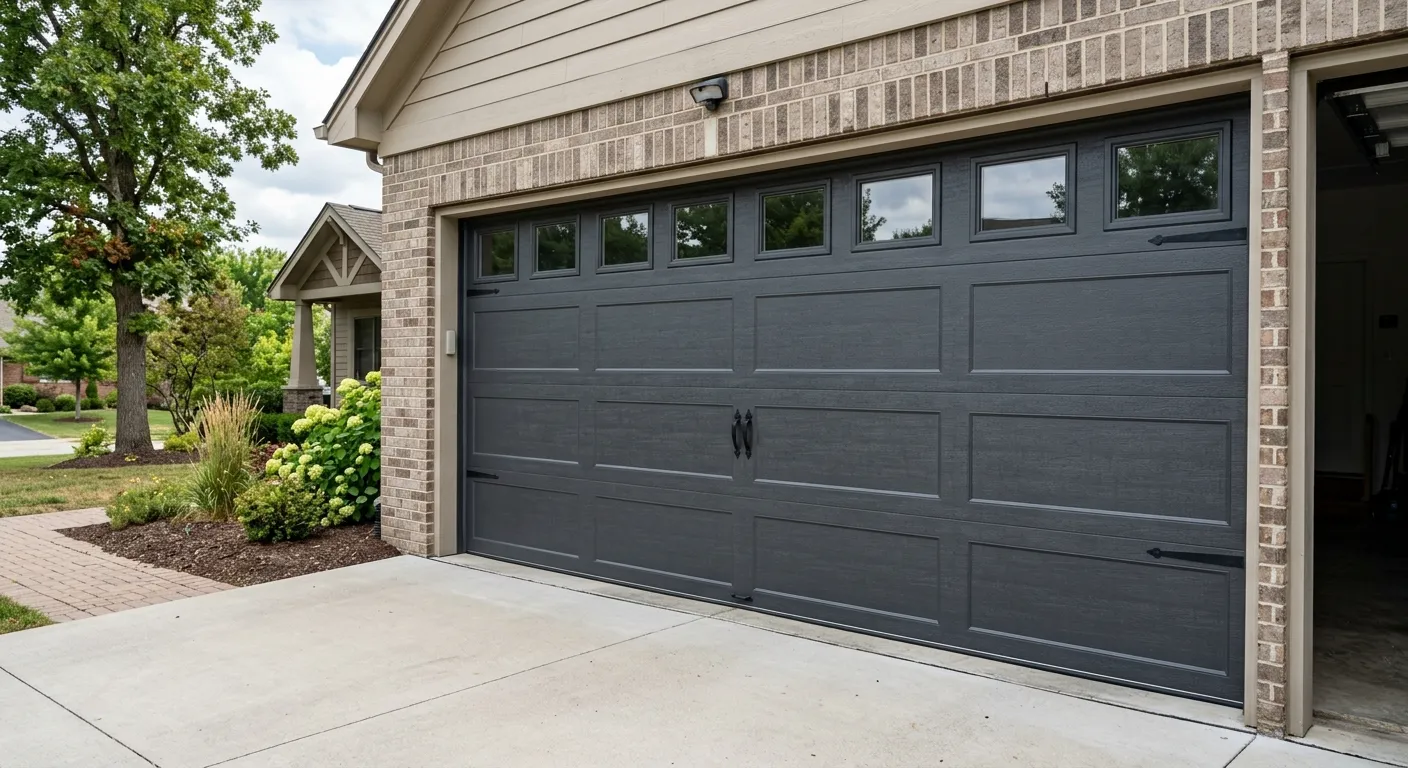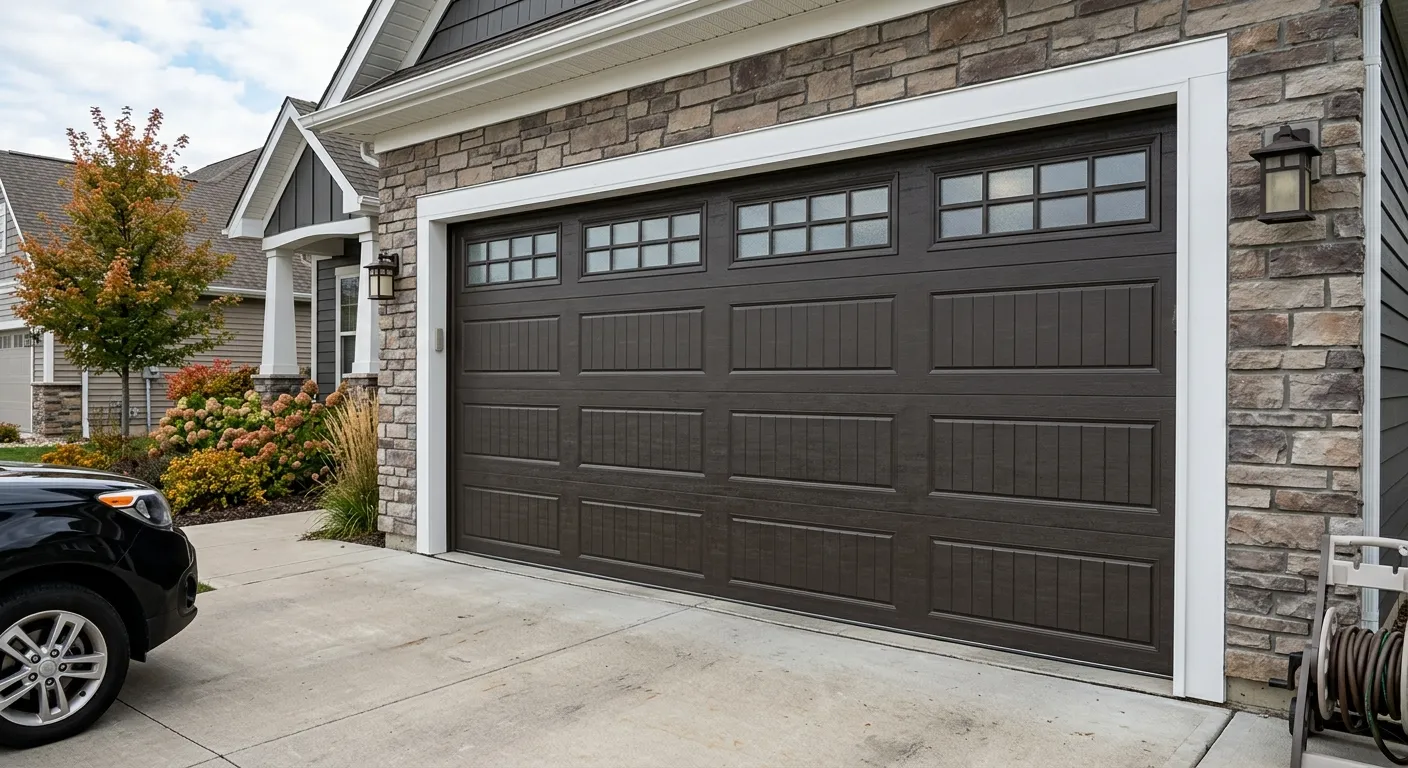



Choosing a new garage door for your home is exciting and can transform curb appeal while improving daily access. Beyond color and style, garage door size options matter most because the correct dimensions ensure smooth operation, secure sealing, and a balanced exterior. When the door matches the opening, it glides up and down properly and supports long-term performance. Proper sizing also helps with insulation, supports safer operation, and reduces unnecessary wear on parts over time—making regular garage door maintenance more straightforward and more effective.
Garage door size options range from standard dimensions to custom sizes tailored to unique openings. Knowing how to measure your opening, compare single and double door widths, and account for garage layout and vehicle clearance helps narrow the best fit. Getting the size right is a key step in choosing a garage door that matches your home’s needs and delivers reliable performance.
Understanding Garage Door Size Options for Different Homes
Garage doors are not all the same size, so matching the garage door to your garage opening is essential for a precise fit. The correct size supports tight sealing, home security, and reliable performance every time the door moves. When sizing is off, the system can struggle to open or close smoothly, and gaps around the edges may reduce energy efficiency inside the home.
Whether you live in a typical neighborhood home or a unique property, there are residential garage doors designed to fit your space. Understanding garage door size options for different homes is the first step toward selecting the right solution. Up next, we’ll explain why size matters and show how to take accurate measurements of your garage door opening so you can compare standard and custom garage door sizes with confidence.
For a deeper guide on selecting the ideal door style for your space, explore “What Type of Garage Door Is Best for Your Home and Why?”
Why Size Matters: Functionality and Curb Appeal in Garage Doors
How your garage operates depends heavily on having the right garage door size. If the door is too small, your vehicle may not clear the opening comfortably. If the door is too large, it may not align correctly with the garage frame or track system. Door size influences several key factors, including the type of track required and the lifting power your opener must provide. Selecting the correct dimensions helps the door open and close smoothly, safely, and consistently for years, while reducing strain on essential parts.
Garage door size also shapes your home’s curb appeal. The door should match the overall proportions of your house so the exterior feels balanced and intentional. When a garage door is noticeably undersized or oversized, it can appear out of place and disrupt the visual flow of the front elevation. A well-sized residential garage door complements the architecture and enhances the home’s overall design.
Selecting the best garage door means weighing both appearance and performance. By choosing a size that fits your garage door opening precisely and complements your home’s style, you ensure reliable functionality and a high-quality exterior finish.
If you also want help selecting the right material for your door, read “Garage Door Material Types and Which One Fits Your Home.”
How to Determine the Right Garage Door Size for Your Space
To determine the correct size for a new garage door, you or an expert will need to measure the garage door opening in several ways. Accurate measurements are essential because even a small error can create major issues during installation and affect how the door operates.
Begin by measuring the central opening where the garage door will be installed. After that, check the surrounding space, since the track system and supporting parts must fit properly for safe, smooth movement.
Here are the key measurements to take for your garage door opening:
- Opening Width & Height: Measure the opening from side to side, then measure from the floor up to the top of the opening.
- Sideroom: Measure the space on both the left and right sides of the opening. This area is needed for the vertical tracks that guide the door.
- Headroom: Measure from the top of the opening to the ceiling or the first obstruction. This space accommodates the springs and the horizontal tracks above the door.
- Backroom: Stand at the opening and measure straight back to the rear wall. This ensures enough clearance for the door to fully open without hitting anything.
With these measurements in hand, you can confidently compare standard and custom garage door sizes to select the best fit for your home.
When you’re ready for a flawless setup, check “Best Garage Door Installation Near Me for the Style You Want.”
Standard Garage Door Sizes for Various Home Types
For many homeowners, a standard garage door size is the best fit. Manufacturers offer a wide range of standard garage door sizes that match most garage door opening measurements in modern homes. These ready-made options are available across many residential garage door styles, making the selection process more straightforward for different home layouts.
Standard sizes are typically more affordable because they are produced in large quantities. They are also easier to find, faster to deliver, and compatible with most garage door designs and materials. In the next section, we’ll review the most common sizes for single and double garage doors and explain how standard dimensions may vary depending on the type of home.
Single-Car vs. Double-Car Garage Door Dimensions
The most evident difference in garage door sizing is between single-car and double-car doors. A single-car garage is built for one vehicle, while a double-car garage is planned for two. Across the industry, these residential garage door dimensions follow widely used standards, making it easier to select a replacement door once you know the opening size you need.
A single-car garage door is a wise choice for smaller garages or homes with limited driveway and interior space. A double-car garage door provides a wider garage door opening, offering extra clearance for larger vehicles and easier entry. When planning a new garage door installation, deciding between single and double door sizes is the first step toward a proper fit.
Here are the standard dimensions you can expect for each:
| Door Type | Standard Widths | Standard Heights |
| Single-Car Garage Door | 8 ft, 9 ft, 10 ft | 7 ft, 8 ft |
| Double-Car Garage Door | 12 ft, 14 ft, 16 ft, 18 ft | 7 ft, 8 ft |
Designing Idea notes that single doors are typically 8–10 ft wide and double doors are 12–18 ft wide, with heights most often 7–8 ft, depending on clearance needs.

Choosing Garage Doors for Townhomes, Detached Garages, and More
Your home style plays a significant role in selecting the right garage door size. Townhomes often feature compact, single-car garages, so an 8-foot or 9-foot wide sectional garage door is a standard fit. This size supports a clean exterior balance and ensures the garage door opening feels proportional to the front of the home without overwhelming the façade.
Detached garages offer more flexibility because they can be built as simple one-car spaces or larger multi-use areas. For these structures, select a garage door size based on how you plan to use the garage—whether for daily parking, extra storage, or a workshop setup. Other architectural designs often treat the garage door as a key exterior feature. In every situation, matching the garage door opening to a well-sized door helps deliver reliable function and high-quality curb appeal.
Custom Garage Doors: Tailoring Sizes for Unique Needs
In some homes, a standard garage door size simply will not fit the garage door opening. This often happens in older properties, garages built for oversized vehicles, or homes with distinctive architecture. In these situations, custom garage doors are designed to match your exact measurements. Because they are made specifically for your space, they deliver a precise fit while aligning with your layout and exterior style.
Working with professional garage door services makes the process straightforward. An expert can confirm measurements, review clearance needs, and recommend a custom size that supports smooth operation and long-term durability. With custom options, homeowners can select the exact width, height, and design they want without sacrificing a high-quality finish or dependable performance. Next, you’ll see why many homeowners choose custom garage doors and what to expect during a custom garage door installation.
Popular Reasons Homeowners Request Custom Garage Doors
Homeowners choose a custom garage door for practical and design-based reasons. Standard garage door sizes do not work for every property. When the usual dimensions don’t match the garage door opening or the homeowner’s needs, a made-to-order door becomes the right solution.
A custom size helps the garage door operate smoothly and suits the home’s exterior style. Customization also gives homeowners more freedom to select designs that may not be available in standard options. Instead of forcing a standard door into an unusual opening, a custom door is built to match the space precisely.
Here are some of the most common reasons homeowners request custom garage doors:
- Older Homes: Many older houses were built before standard garage door sizes became common, so that openings may be broader, narrower, taller, or shorter than today’s typical dimensions.
- Oversized Vehicles: RVs, large trucks, and boats often require a taller, and sometimes wider, garage door than standard sizes can accommodate.
- Architectural Design: Some homes need a specific width or height to maintain balance with the exterior, such as extra-wide doors or lower-profile openings.
- Energy Efficiency: Custom garage doors can be built with high-quality insulation and materials that match the exact opening size, helping improve indoor comfort and efficiency.
These factors explain why many homeowners choose a custom garage door over a standard one.
Garage Door Installation Considerations for Custom Sizes
An expert should install custom-sized garage doors because the process differs from standard garage door installation. A custom garage door often requires specialized hardware, including custom tracks, properly rated springs, and a garage door opener built to handle the door’s size and weight. Attempting a custom installation without proper training can result in injured homeowners and may void the manufacturer’s warranty.
A professional will inspect the garage structure and confirm that it can safely support the new door. They understand how to align non-standard doors, set spring tension correctly, and verify that every moving part works together as intended. If measurements or setup are even slightly off, the door may operate unevenly, wear down parts faster, or fail unexpectedly—sometimes resulting in an emergency repair call.
With a skilled team, the entire job is handled from the first measurement to the final safety check. Their experience ensures your custom garage door installation runs smoothly, delivers reliable performance, and gives homeowners long-term confidence in the system.
Understanding garage door size options for different homes supports both smooth garage function and strong curb appeal. The right garage door size should match your garage door opening, provide reliable clearance, and suit your home’s exterior proportions. Whether you select standard or custom garage door sizes, accurate measuring and thoughtful selection help your door operate safely and efficiently for years.
MF Solutions Inc delivers high-quality residential garage doors tailored to your home’s needs. Our trained technicians guide homeowners through size selection, design choices, and complete garage door installation, ensuring a precise fit and dependable performance. If you’re ready to upgrade your garage door or want expert guidance on the best size for your space, contact us or give us a call today to get started.