
Garage door performance depends on controlled movement, stable lift support, guided travel, and reliable stopping behavior during every cycle. When maintenance is skipped, small changes in balance, noise, and alignment can develop into unstable travel, uneven load sharing, and safety risks, especially when the garage door serves as the main daily entry point for a homeowner.
Skipped garage door maintenance usually doesn’t cause one single issue. Instead, it allows minor wear patterns to build cycle after cycle until the system becomes harder to lift, louder, less consistent, and more likely to stall, bind, or reverse.
Why Skipped Maintenance Creates Bigger Problems Over Time
A garage door system works as a connected set of parts. When one area drifts out of alignment or lift support changes, other areas absorb added strain.
When routine inspection and adjustment are delayed, common outcomes include:
- The heavier door feels during manual operation
- Uneven travel that develops into tilt or binding
- Increased opener strain and inconsistent stopping behavior
- Faster hardware wear at rollers, hinges, and brackets
- Higher chance of an off-track garage door event
- Less predictable closing behavior, including hard finishing near the floor
For a safety-focused overview, visit: “Why Is Garage Door Maintenance Critical for Long-Term Safety?”
Spring Health Is Often the First Issue Homeowners Notice
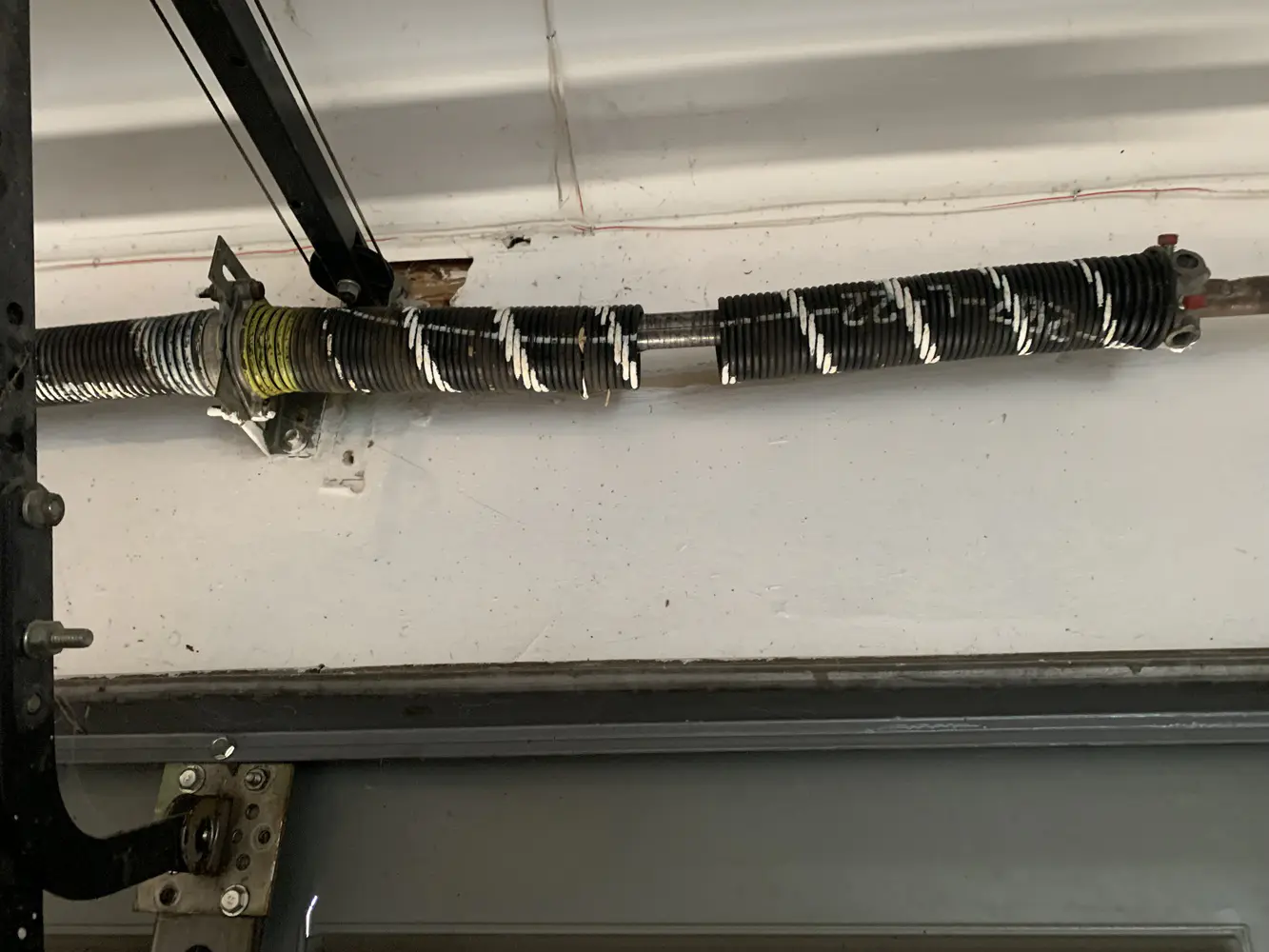
Springs provide the counterbalance that makes a heavy door feel manageable. When lift support is correct, the door rises smoothly, stays stable at mid-travel, and settles into a secure closed position. Skipping maintenance allows gradual tension drift, which can reduce lift assistance and change how the door behaves during travel.
Common signs that spring conditions may be changing include:
- The door feels heavier than normal during manual operation
- The door drops faster near the floor or closes with a hard finish
- Travel becomes uneven, with a tilt developing on one side
- New noises appear near the spring area during movement
- The opener pauses, struggles, or reverses under load
- The door fails to stay in place when partially open
When these changes appear, professional evaluation helps confirm whether spring wear is localized or connected to broader system strain.
For reliability and breakdown prevention guidance, check: “How Does Regular Garage Door Maintenance Prevent Failures?”
Skipping Maintenance Raises Risk for Cables, Tracks, Rollers, and Panels
Springs influence more than lifting power. When lift support drifts, tension shifts into other areas that guide and stabilize travel:
Cables and drums
Uneven lift support can create uneven pull. Over time, cables may seat poorly on drums or show wear patterns that indicate imbalance.
Tracks and rollers
When rollers meet resistance from misalignment or debris, travel becomes rougher and friction increases. Skipped inspection allows small alignment drift to become binding or shaking during movement.
Hinges, brackets, and fasteners
Hardware that loosens over time can change door geometry. Without routine checking and tightening, shifting hardware increases movement inconsistencies and raises the chance of sudden operational issues.
Panels and seams
When travel becomes uneven, panels can flex more than normal. Over time, that can affect section alignment and worsen travel stability.
For guidance on professional timing, visit our blog, “When Does Garage Door Maintenance Need Professional Attention?”
Opener Strain Builds When Maintenance Is Delayed
Garage door openers are designed to guide movement, not compensate for imbalance. When the door becomes heavier or starts binding:
- The opener may stall or reverse more often
- Travel limits may become inconsistent
- Reversal behavior may be delayed under higher resistance
- Wear increases on the drive system and related parts
If the opener begins reversing or pausing more frequently, inspection should focus on the door’s balance and guided travel, not just the opener itself.
Warning Signs That Often Require Prompt Professional Review
Specific garage door problems can signal a higher safety risk, especially when maintenance has been delayed. These warning signs often point to issues with lift support, hardware stability, track alignment, or garage door opener response. If you notice any of the concerns below, a professional garage door inspection can help determine the cause and which parts are affected.
- The door will not open, or it only opens partway
- The door closes unevenly and leaves a visible gap
- The opener stalls or reverses repeatedly during operation
- The door shakes, binds, or jerks while moving up or down
- A loud bang happens near the garage area
- The door will not stay open when stopped at a mid-level position.
In these situations, scheduling garage door service supports a safer evaluation and helps confirm which areas are affected. Early inspection can prevent ongoing strain across the system, reduce the risk of sudden failure, and restore reliable operation. It also helps protect the opener from excessive workload when the door is no longer moving as intended.
What Pros Review During a Maintenance Visit After Skipped Service
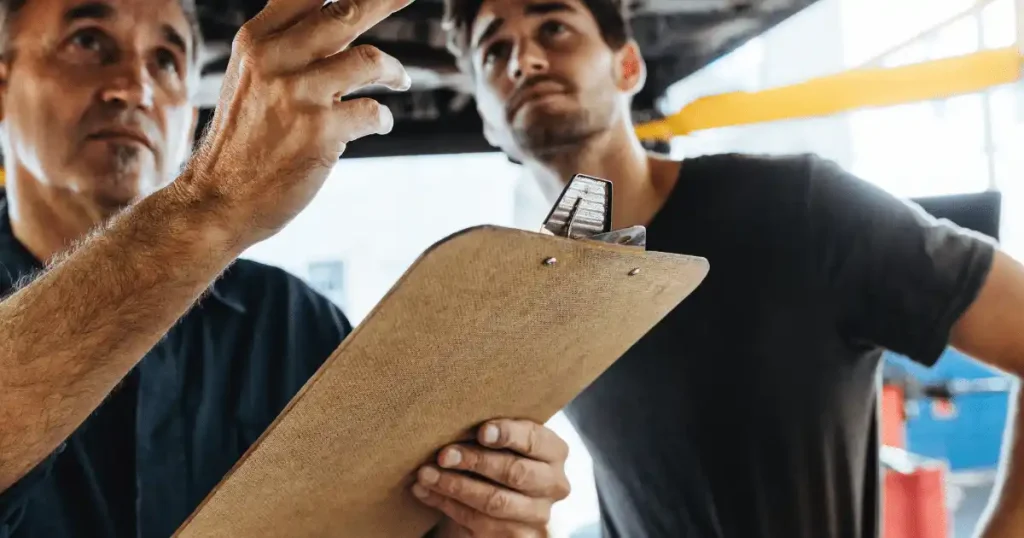
When routine service has been skipped, a maintenance visit becomes more than a quick tune-up. A professional garage door service after extended gaps focuses on load support, smooth guided travel, and safe interaction between the door and its operating components. The goal is to confirm consistent performance, identify wear caused by delayed service, and correct developing issues before they escalate into costly garage door repair needs.
Balance and Lift Support Behavior
Door balance is checked to confirm stable movement and controlled travel through the mid-range. A technician will test how the door behaves when manually lifted and whether it holds its position without drifting. Garage Door Springs are reviewed for secure mounting, even tension, and signs of fatigue that reduce lifting support. When balance is compromised, the door can feel heavier and move unevenly, increasing system strain.
Cable Seating and Drum Condition
Cables and drums are reviewed together because they share the lifting load. Cables are inspected for fraying, corrosion, and uneven wear that can signal misalignment or poor seating. Drums are checked for groove wear, damage, and smooth cable tracking. Attachment points are also inspected to confirm they remain secure, and that pull is even on both sides, helping the door lift straight and stay stable during travel.
Track Alignment and Roller Seating
Tracks are inspected for alignment drift, gaps at mounting points, and any bends that can change the door’s travel path. Rollers are checked for wear, proper seating, and smooth movement from end to end. When tracks shift or rollers wear down, the door may bind, shake, or become noisy, and that friction often increases strain on the rest of the system.
Hardware Stability Across the System
Hinges, brackets, and fasteners are checked for loosening, movement, or deformation that can affect door travel. Pros will inspect connection points along the sections, look for signs of shifting, and confirm the door stays square as it cycles. Even minor hardware movement can cause uneven loading, which accelerates wear on rollers, tracks, and lift parts.
Opener Response Under Load
The opener is tested while the door is under normal load to confirm a consistent response. Travel limits, stopping consistency, and reversal behavior are checked to verify safe operation. A technician will also evaluate how smoothly the opener starts and stops, whether it strains during movement, and if the system responds correctly during a safety reversal test. This step helps confirm that the opener and door are working together properly instead of fighting each other.
How Skipped Maintenance Becomes a Bigger Disruption
When regular inspections and minor adjustments are delayed, problems often spread throughout the system. What starts as a bit of noise or a door that feels slightly heavier can turn into rough movement, sudden reversals, loose hardware, and a higher chance of unsafe operation.
A heavier door usually means the lift system is not supporting the weight evenly. The opener may try to compensate by pulling harder. Over time, this can cause uneven travel, inconsistent stopping, and settings that no longer match the door’s movement. You might notice the door shaking, hesitating, or reversing even when nothing is in the way.
Skipped maintenance also allows minor alignment issues to grow. Tracks can shift, rollers can wear down, and bolts can loosen from vibration. As the door deviates from its normal path, friction increases, and components wear more quickly. This often shows up as squeaking, rattling, or grinding sounds.
Planning maintenance helps prevent these disruptions by addressing issues early, before the system becomes unreliable. Regular service supports smoother travel, safer operation, and fewer surprise breakdowns.
Keep Door Movement Controlled With Ongoing Professional Care
Skipped maintenance can turn slight alignment drift, increased friction, and changes in lift support into unstable travel and safety concerns. When the door becomes heavier, starts to reverse, or exhibits uneven movement, a professional evaluation helps restore predictable operation and reduce strain on cables, rollers, tracks, hardware, and opener components.
MF Solutions Inc supports safe, controlled garage door operation by evaluating balance, lift support behavior, guided travel, and opener response under load. Contact us today or give us a call to schedule service that helps keep daily door movement stable, predictable, and secure.