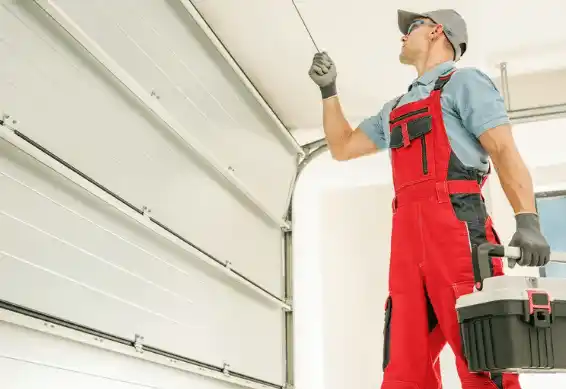


Manual roll-up garage door systems offer durability and ease of use—discover expert advice for safe handling and long-term performance.
A manual roll-up garage door is a practical and space-saving solution often chosen for its simplicity and cost-effectiveness. Whether installed in residential garages, storage units, or commercial buildings, these doors offer reliable functionality when maintained and operated correctly. However, many homeowners and property managers overlook essential maintenance steps, which can lead to wear, malfunction, and safety concerns over time.

Understanding how to use and maintain a manual roll-up garage door can significantly extend its lifespan and ensure safer operation. Issues like poor alignment, rusted springs, or worn-out components can be prevented with proactive care. Regular inspections and following proper handling techniques go a long way in preserving the door’s efficiency while avoiding expensive repairs.
With a focus on practical advice and preventive measures, our guide aims to help you maximize the benefits of your manual roll-up garage door. From daily use to seasonal maintenance, each section is designed to provide you with actionable tips that support longevity, security, and performance.
How to Use a Manual Roll Up Garage Door Safely Every Day
A manual roll-up garage door requires basic precautions during operation to avoid injury or damage. Always make sure the pathway is clear of people, pets, or obstructions before lifting or lowering the door. When opening the door, use a firm grip and avoid sudden movements. Lifting too quickly or allowing the door to drop abruptly can cause misalignment or mechanical stress.
The locking mechanism should be checked regularly. Many manual doors use slide bolts or padlocks, which can wear out or jam if exposed to the elements. Lubricate these parts occasionally with a garage-door-specific lubricant to prevent sticking and ensure smooth operation.
It’s also important to check the door balance. A properly balanced manual roll-up garage door should remain stationary if you lift it halfway and release it. If the door moves up or down on its own, the spring tension may be off, which can pose a safety risk. In such cases, professional adjustment is recommended.
Maintenance Tips to Prolong the Life of Your Manual Roll Up Garage Door
Manual roll-up garage doors are built for durability, but like all mechanical systems, they benefit from regular care. Begin by cleaning the door surface every few months to remove dirt, debris, and buildup that may interfere with its track system. Use mild soap and water, avoiding harsh chemicals that can damage metal finishes.
To keep your manual roll-up garage door working properly, pay attention to the following:
- Clean tracks and guide rails: Remove debris and dirt to ensure smooth operation.
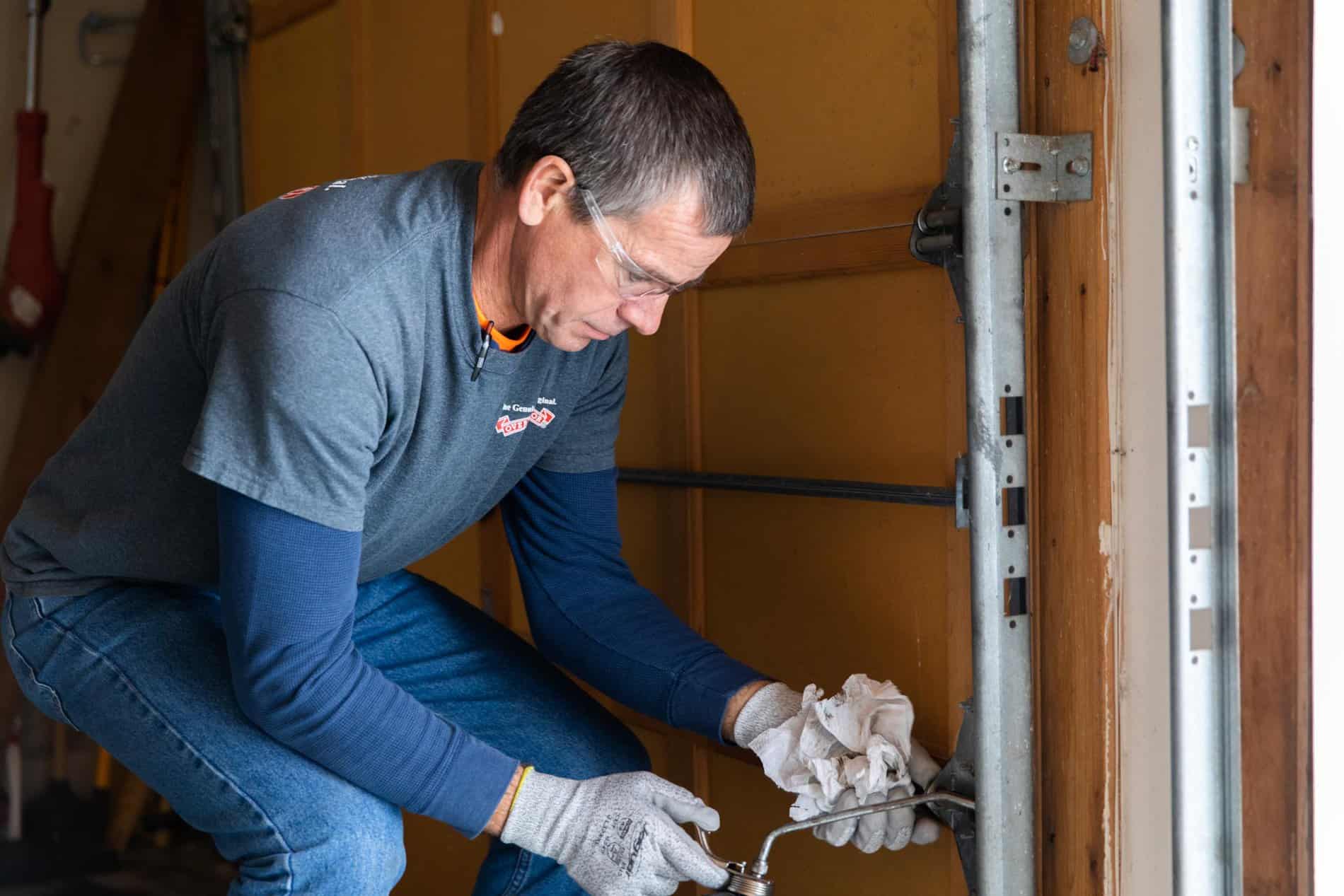
- Lubricate moving parts: Use a silicone-based lubricant on hinges, tracks, and rollers.
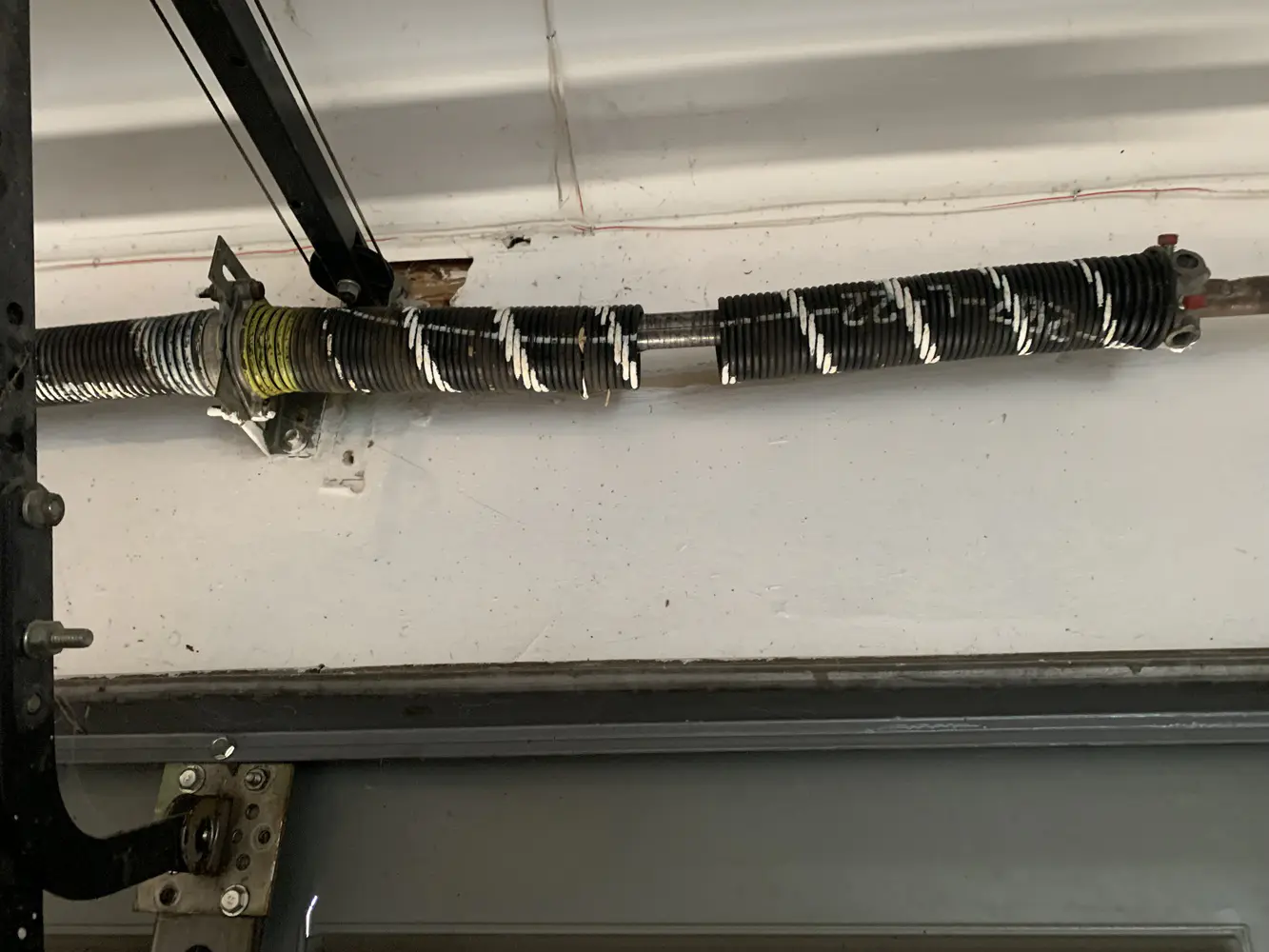
- Inspect spring tension: Look for signs of fatigue, such as rust or separation.
- Check locking hardware: Ensure that slide bolts or padlocks work without resistance.
- Tighten bolts and screws: Vibrations from use can loosen hardware over time.
Scheduled professional maintenance can help catch issues early and extend the life of your garage door.
Signs Your Manual Roll Up Garage Door Needs Professional Attention
When Maintenance Isn’t Enough
Even with regular cleaning and minor upkeep, manual roll-up garage doors can develop issues that require expert intervention. Over time, the components that allow the door to function—such as springs, tracks, and locks—can wear down or shift out of alignment. Attempting to force the door open or closed when it’s not operating smoothly can lead to further damage or even personal injury.
One of the most common indicators of trouble is increased resistance when lifting the door. This often signals a problem with spring tension or the rolling mechanism. Springs may lose tension or become rusted, making the door heavier and more difficult to operate manually.
Common Warning Signs to Watch For
Here are some specific signs that your door needs professional evaluation:
- Grinding or Squeaking Noises – Unusual sounds often point to issues with the rollers, bearings, or hinges. Lubrication might help temporarily, but persistent noise usually signals worn-out components.
- Increased Resistance – If the door doesn’t glide smoothly or feels heavier than usual, it may be due to tension spring failure, misaligned tracks, or buildup in the mechanism.
- Sagging or Warped Panels – Warped or drooping panels not only affect aesthetics but can also compromise the door’s ability to open and close properly.
- Sticking or Faulty Locks – Manual doors rely on functional locks for security. If they become stiff, unreliable, or misaligned, it’s a clear sign that servicing is needed.
- Worn or Rusted Springs – Visible wear, stretching, or rust on the springs reduces their ability to counterbalance the door’s weight. Continuing to use the door in this state poses safety risks.
Call a Professional Before DIY Repairs

Manual roll-up doors rely on tension-loaded components, and improper handling can result in injury. If you notice any of the issues above—or simply feel unsure about the door’s condition—it’s best to contact a trained garage door technician. Professionals can accurately diagnose and repair the problem, restoring safe and reliable operation without risking further damage.
Choosing the Right Replacement Parts for Manual Roll-Up Garage Doors
When it’s time to replace parts on your manual roll-up garage door, using high-quality components is essential. Compatibility is key. Using non-matching parts can lead to improper function or damage. Always refer to the manufacturer’s specifications when choosing springs, tracks, or rolling mechanisms.
Avoid universal-fit parts unless recommended by a professional. Each door model may have specific tension ratings, sizes, and material requirements. If you’re unsure, consult a garage door specialist who can recommend the right products based on the door’s dimensions and usage level.
Longevity also depends on the materials used. Galvanized steel components resist rust better than standard metal. Nylon rollers are quieter and more durable than plastic ones. Investing in better parts reduces long-term maintenance and improves overall performance.
Upgrading Your Manual Roll Up Garage Door for Better Functionality
If your manual roll-up garage door is older or frequently repaired, upgrading specific elements can improve functionality. One common upgrade is converting from manual to assisted operation using a spring-assist system. This makes lifting easier and reduces strain on the user.
Another worthwhile upgrade is replacing worn track systems or adding weather seals. Improved track design can minimize noise and make movement more fluid. Weather seals block drafts, pests, and moisture, making the garage more efficient and secure.
You might also consider adding insulation panels, especially if the garage is attached to your home or used for storage. Insulated doors help regulate temperature and reduce noise. These small improvements enhance both usability and energy efficiency.
Frequently Asked Questions
How do I open a manual roll-up garage door safely?
To open a manual roll-up garage door, grip the handle firmly and lift smoothly using both hands. Make sure the area is clear before starting. Avoid sudden movements and never let the door fall quickly. If it feels too heavy or unstable, have it inspected by a technician.
How often should I maintain a manual roll-up garage door?
It’s recommended to inspect and clean a manual roll-up garage door every three to six months. Lubricate moving parts, check the alignment of tracks, and ensure that locking mechanisms function properly. Annual professional inspections can also help prevent issues.
Can I upgrade my manual roll-up garage door to automatic?
Yes, many manual roll-up garage doors can be upgraded to automatic operation. This involves installing a motorized opener, a compatible track system, and safety sensors. Always consult a garage door professional to ensure proper fit and safe installation.
What are the common issues with manual roll-up garage doors?
Common issues include difficulty lifting, misaligned tracks, worn-out springs, noisy operation, and faulty locks. Regular maintenance can prevent many of these problems. If symptoms persist, professional repair is recommended.
Conclusion
Proper care and safe use of a manual roll-up garage door can greatly enhance its performance and extend its service life. By understanding how to identify early signs of wear and taking proactive maintenance steps, you reduce the risk of unexpected breakdowns and ensure smooth operation over time.
Choosing high-quality replacement parts and upgrading key components can improve both functionality and user experience. Simple improvements such as weather sealing or spring-assisted lifting mechanisms not only make the door easier to use but also protect your investment.
If you’re unsure about the condition of your manual roll-up garage door or looking to improve its performance, MF Solutions, Inc. offers reliable and knowledgeable service you can trust. Let our team help you maintain, repair, or upgrade your garage door with confidence.
End Note
We take pride in supporting property owners throughout Buffalo Grove, IL, with dependable garage door services. MF Solutions, Inc. brings years of hands-on experience, industry-backed techniques, and a commitment to quality workmanship for every project.
From routine maintenance to full repairs or upgrades, we ensure your manual roll-up garage door remains safe and functional throughout its lifespan. Our local technicians are ready to inspect, diagnose, and resolve any garage door issues with precision and care.
If you’re in Buffalo Grove or nearby areas, contact us for trusted garage door expertise. Let us keep your garage door running smoothly for years to come.
MF Solutions
302 Cherrywood Rd, Buffalo Grove, IL 60089, United States
+16304737300