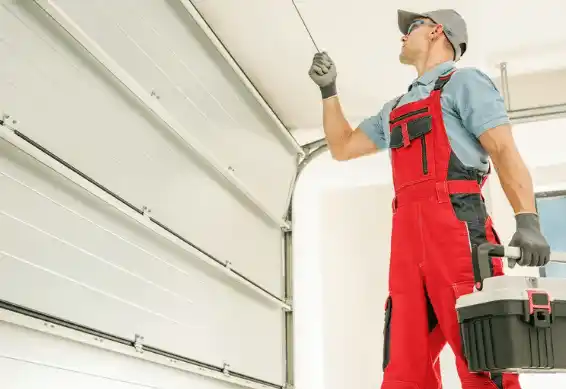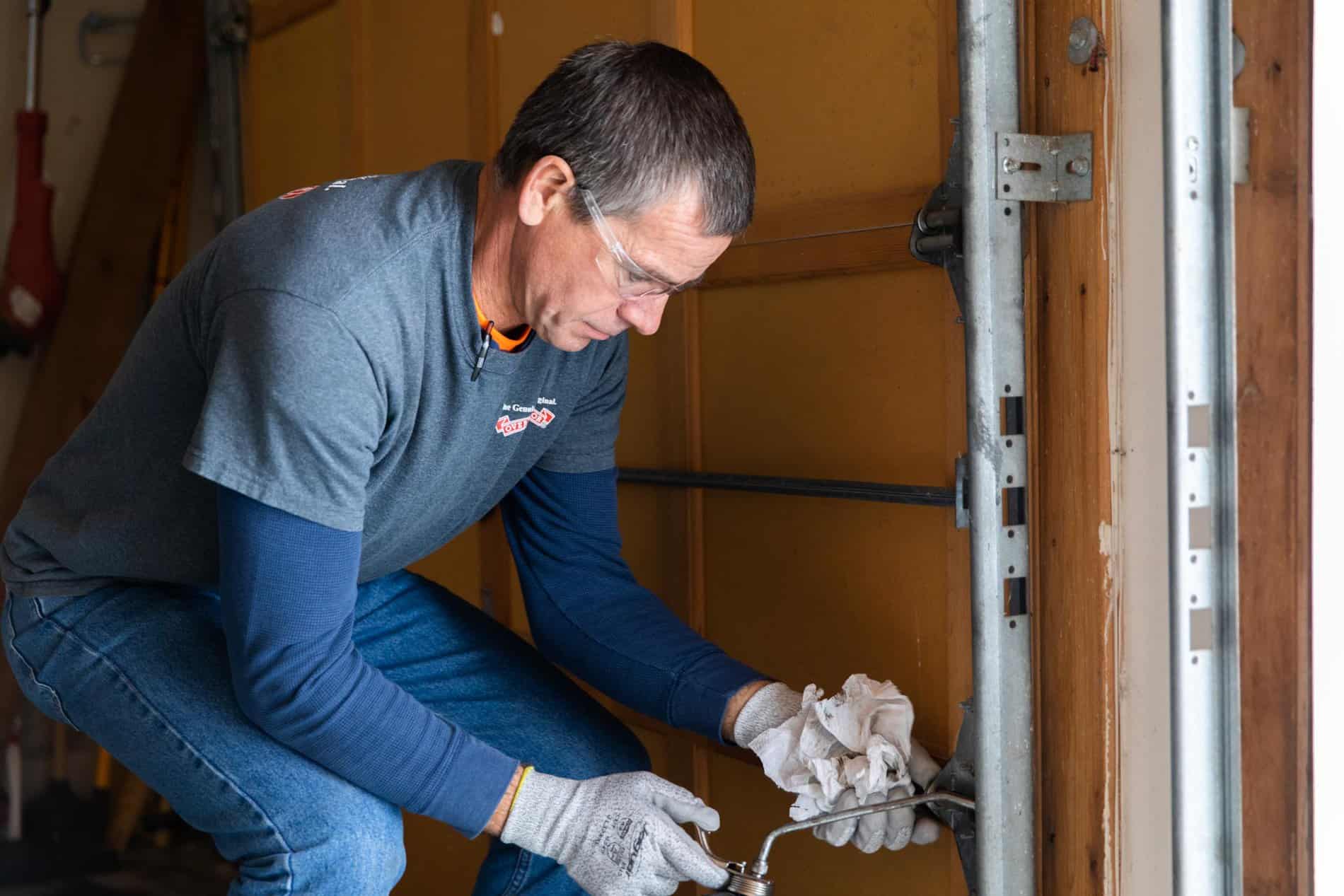



Learn how to change garage door springs safely with expert tips every homeowner should know to avoid injury.
Garage door springs are one of the most critical parts of a garage door system, responsible for counterbalancing the heavy weight of the door during opening and closing. These tightly wound components absorb and release energy every time the door moves, making daily operation smooth and manageable. However, due to constant tension and repeated use, garage door springs eventually wear out, leading to malfunctions or complete failure if not addressed promptly.
You’re not alone if you’re wondering how to change garage door springs. This question often arises among homeowners who are curious about whether the repair can be handled independently or should be left to a professional. Given the high tension and risk, spring replacement is not a typical DIY task. That’s why many turn to MF Solutions Buffalo Grove for expert service. As a trusted name in garage door repairs, they ensure spring replacements are completed safely and accurately, protecting your property and safety.

What Are Garage Door Springs and Why Do They Fail?
Garage door springs act as counterbalances to the door’s weight, allowing it to open and close smoothly. There are two main types:
Torsion Springs
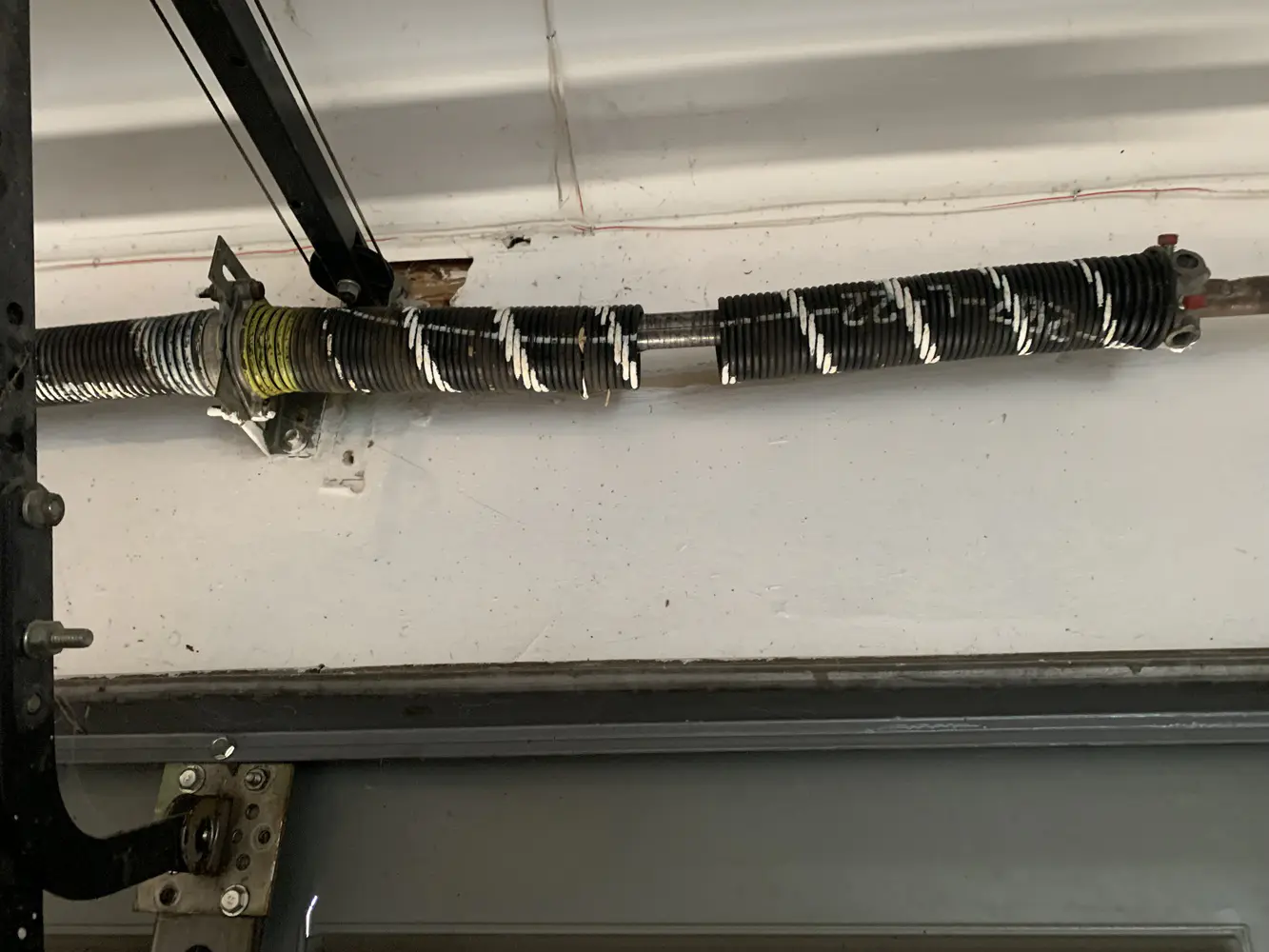
Torsion springs are mounted above the garage door and work by twisting tightly to store energy. This rotation helps lift and lower the door smoothly with controlled, balanced force.
Extension Springs
Extension springs are located on both sides of the garage door. They stretch when the door lowers and contract when it rises, providing essential counterbalance to assist with door movement.
Over time, springs weaken due to wear and tear. Most are rated for around 10,000 cycles (a cycle equals one open and close). Weather exposure, lack of maintenance, or poor installation can accelerate failure. When they break, your garage door can suddenly become difficult or dangerous.
Signs You May Need to Replace Your Garage Door Springs
- The door won’t open at all, even with the opener engaged.
- The door feels unusually heavy when lifting manually.
- You heard a loud snap from inside the garage.
- There’s a visible gap in the spring coil, indicating a break.
If you’ve noticed any warning signs, it’s time to investigate replacement and possibly rethink your DIY plan.
How to Change Garage Door Springs: A Step-by-Step Breakdown
Attempting to learn how to change garage door springs can be intimidating—and for good reason. The stored tension in these components can exceed 100 pounds, and incorrect handling could lead to serious injury. Still, here’s a general overview to help you understand the process:
- Disconnect the Power: Unplug the garage door opener to avoid unintended movement.
- Secure the Door in Place: Open the door using locking pliers or clamps. This reduces pressure on the springs.
- Loosen the Set Screws: Carefully release tension from the springs using winding bars. Never use screwdrivers or unapproved tools.
- Remove the Old Springs: Once tension is released, the springs can be safely removed from the torsion bar or extension system.
- Install the New Springs: Replacement springs must match the size and strength of your door’s system. Install them in reverse order for removal.
- Tighten and Test: Rewind the springs with equal tension on both sides. Reconnect the power and test the door’s movement.
This is a simplified explanation. In reality, garage door spring replacement requires precision tools and experience to calibrate tension safely. For most, the risks of a DIY repair outweigh the benefits.
Tools Required for Spring Replacement
If you’re still set on tackling the job yourself, here are the basic tools you’ll need:
- Heavy-duty winding bars (never substitute with screwdrivers)
- Adjustable wrenches and pliers
- Safety goggles and cut-resistant gloves
- A ladder and locking pliers to stabilize the door
Even with the right tools, improper tensioning or misaligned springs can make your door unsafe. Always proceed with caution, or consider calling a professional.
Why Spring Replacement Is Not Always a DIY Job
Replacing garage door springs involves managing immense stored energy. If a winding bar slips or a spring snaps unexpectedly, the results can include severe cuts, bone fractures, or eye injuries.
Additionally, incorrect spring calibration can lead to:
- Uneven lifting that strains the opener
- A door that doesn’t close fully or opens erratically
- Shortened lifespan of both the springs and garage door components
In short, how to change garage door springs safely often depends on whether you have the skills and tools to match the risk. Most homeowners are better off calling experienced technicians like those at MF Solutions Buffalo Grove to avoid complications.
How MF Solutions Buffalo Grove Handles Spring Repairs
MF Solutions Buffalo Grove provides expert garage door spring replacements quickly and precisely. Here’s how they do it differently:
- Same-Day Service: Fast scheduling to keep your garage secure.
- High-Cycle Upgrades: Longer-lasting springs for busy households.
- Precision Calibration: Ensuring balanced tension and door alignment.
- Emergency Availability: For sudden spring failures that can’t wait.
You protect your investment, property, and family’s safety by trusting a qualified team.
Cost Factors in Garage Door Spring Replacement
Spring replacement costs can vary, but typical ranges fall between $150–$350, depending on:
- Type of spring (torsion springs generally cost more)
- Number of springs (double-door garages often use two)
- Garage door size and weight
Beware the hidden costs of a DIY project gone wrong. Improper installation can lead to:
- Door or opener damage
- Repeat service calls
- Personal injury expenses
Having MF Solutions Buffalo Grove do the job ensures the work is done right the first time, saving you time and unexpected costs down the line.
How to Prevent Premature Spring Failure

To extend the life of your garage door springs:
Lubricate Regularly
Apply a high-quality silicone-based spray to the garage door springs, rollers, and hinges every few months. Proper lubrication reduces friction, minimizes wear, and keeps your garage door operating smoothly.
Inspect Visually
Routinely check the spring coils for signs of rust, fraying, or separation. Early detection of visible damage can help you avoid costly repairs and unexpected system failures.
Schedule Seasonal Tune-Ups
A trained technician from MF Solutions Buffalo Grove can spot minor issues early. Regular maintenance ensures optimal performance, extends the life of your garage door, and keeps your system balanced year-round.
Consistent maintenance is key to maximizing spring life and ensuring your door remains safe and functional.
FAQ: How to Change Garage Door Springs
How do you know how much tension to put on a garage door spring?
To determine the correct tension for a garage door spring, consider the door’s weight, size, and type of spring system. Torsion springs typically require a specific number of turns, usually one turn per foot of door height. Always consult a spring tension chart or a professional for accurate and safe adjustments.
How often should I change my garage door springs?
Garage door springs should be replaced every 7 to 10 years, depending on usage frequency. A standard spring is rated for about 10,000 cycles. If you notice sagging, loud noises, or uneven movement, it may be time to change the springs to ensure safe and reliable operation.
Is it safe to replace garage door springs?
Due to their high tension, replacing garage door springs is risky. Attempting a DIY replacement can lead to severe injuries or property damage. For safety, it’s strongly advised to let a professional handle spring replacements, especially with torsion springs requiring specialized tools and techniques.
How many years do garage door springs last?
Most garage door springs last 7 to 10 years, depending on usage. Torsion and extension springs are typically rated for around 10,000 cycles. Frequent use or lack of maintenance can shorten their lifespan. Replacing springs promptly ensures continued safety and efficiency for your garage door system.
Conclusion
MF Solutions Buffalo Grove understands that learning to change garage door springs can be empowering, but it’s not without risks. High-tension parts can cause serious injury if mishandled. If your garage door is making strange noises, feels heavy, or stops mid-motion, it’s time to get a professional assessment before things worsen.
Understanding how to change garage door springs is a significant first step, but safe, lasting results come from expert help. MF Solutions Buffalo Grove provides trusted, hands-on service so you don’t have to take dangerous chances. Get your system working smoothly again—without the stress or guesswork. Call today and restore peace of mind with every open and close.
End Note
MF Solutions Buffalo Grove is your trusted local partner for expert garage door repairs, spring replacements, and full-system tune-ups. Whether your door feels off-balance or suddenly stops working, our technicians are ready with same-day service and safety-first solutions. Visit our official website to explore our service area in Buffalo Grove, browse our gallery, or learn more about our team. Have questions or need a quote? Check out our helpful blog for garage door tips, or contact us directly to schedule a visit. You can also follow us on Facebook for seasonal service reminders and exclusive promotions. When garage door issues arise, trust MF Solutions Buffalo Grove always to deliver fast, reliable, and professional results.
MF Solutions
302 Cherrywood Rd, Buffalo Grove, IL 60089, United States
+16304737300