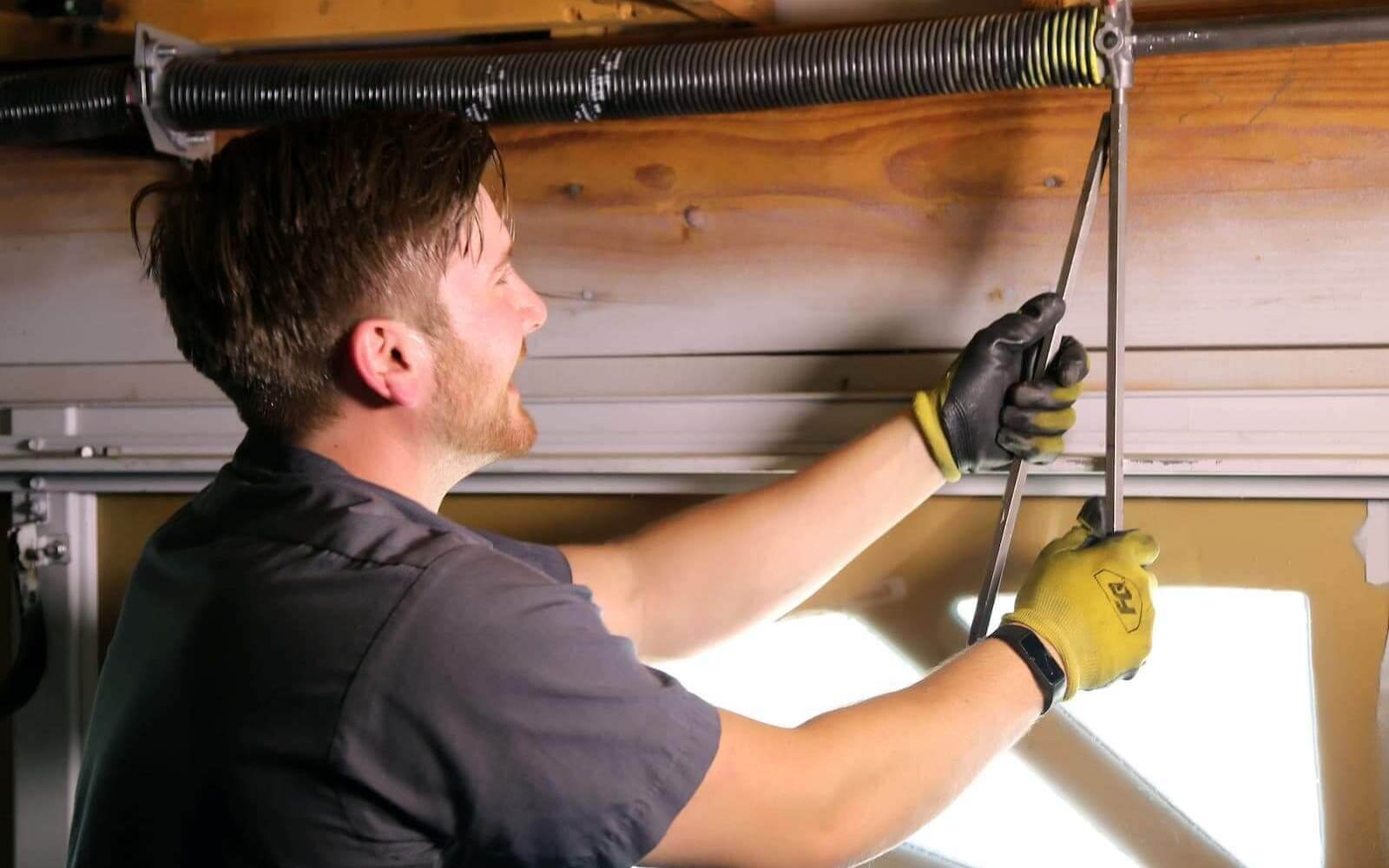



Learn how long a garage door lasts, the signs of wear, and when to repair or replace it effectively.
A garage door is one of the hardest-working systems in any home, opening and closing thousands of times yearly. Many homeowners wonder, “How many years does a garage door last?” The answer varies, but most garage doors last between 15 and 30 years with proper care. Key factors like material, climate, and daily usage all play a role in determining how long your door will stay functional and safe.

Understanding the typical lifespan of a garage door helps you plan, avoid unexpected breakdowns, and budget for future upgrades. That’s why partnering with a reliable expert like MF Solutions Buffalo Grove can make all the difference. Their team provides high-quality maintenance, inspections, and replacements designed to extend the life of your garage door and protect your home investment.
What’s the Average Lifespan of a Garage Door?
Most garage doors last between 15 and 30 years, depending on their construction and use.
This estimate comes from manufacturers, garage door professionals, and industry reports. Usage frequency, climate conditions, and whether the door receives regular professional maintenance all affect where your door will fall within that range.
With routine inspections, timely repairs, and expert adjustments, MF Solutions Buffalo Grove has helped countless homeowners extend the life of their garage doors well beyond the average.
Factors That Influence Garage Door Longevity
Many variables come into play when determining how long your garage door will last.
Material Type
Garage doors are commonly made of steel, aluminum, wood, or composite materials. Each has different strengths:
- Steel is durable but prone to rust if not maintained.
- Wood offers aesthetic appeal but requires regular upkeep.
- Aluminum is lightweight but can dent easily.
- Composite blends strength and low maintenance.
MF Solutions Buffalo Grove recommends choosing a material that fits your home’s environment and usage habits.
Usage Frequency
A garage door used four times a day completes around 1,400 cycles per year. Heavy use can significantly shorten their lifespan since most springs and parts are rated for 10,000 cycles.
Homes with frequent ins and outs should consider high-cycle springs and schedule inspections more often.
Climate and Exposure

The weather takes a toll. Cold winters, high humidity, salt exposure, and intense sun can warp wood, rust metal, and degrade seals. Doors in coastal or snowy areas tend to age faster than those in milder regions.
Installation Quality
Improper installation causes premature wear. Misalignment, poor spring tension, and unbalanced tracks all create unnecessary strain. A professionally installed garage door, like those handled by MF Solutions Buffalo Grove, operates more smoothly and lasts longer.
Signs Your Garage Door Is Nearing the End of Its Lifespan
Spotting the warning signs early can save you from costly emergency repairs.
Look out for:
- Loud grinding or squeaking noises
- Sagging or warped panels
- Slower movement or jerky operation
- Frequent breakdowns
These symptoms often indicate aging components or failing mechanisms. If you’re unsure whether your door needs repairs or replacement, MF Solutions Buffalo Grove offers inspections to assess its proper condition and guide you in your next steps.
Garage Door Components That May Wear Out First

Although the garage door can last for decades, several components are more vulnerable to early wear and tear. These parts often experience constant stress or environmental exposure, making them more likely to fail before the door needs full replacement.
Springs and Cables
Garage door springs endure constant tension and usually have a lifespan of 7 to 10 years or around 10,000 open-and-close cycles. When springs or cables break, the door may stop functioning completely and require immediate repair to restore safe operation.
Rollers and Tracks
Rollers and tracks guide your garage door smoothly along its path. These parts can wear down over time, especially in homes with frequent use or insufficient lubrication, causing noisy or jerky movements that affect overall door performance.
Weather Seals
Weather seals protect your garage from drafts, moisture, and pests, helping with insulation. However, they tend to crack, shrink, or deteriorate every 1 to 2 years, particularly in harsh weather conditions, reducing their effectiveness and energy efficiency.
MF Solutions Buffalo Grove
At MF Solutions Buffalo Grove, we provide expert part replacements to keep your garage door operating smoothly. Even if your door is several years old, our services ensure all critical components function like new for enhanced safety and convenience.
How to Extend the Life of Your Garage Door
The key to garage door longevity is preventive maintenance.
Annual professional checkups include:
- Lubrication of moving parts
- Tension and balance testing
- Inspection of cables, rollers, and seals
- Safety feature calibration
DIY efforts, like clearing debris or applying lubricant, help, but never attempt to adjust high-tension components yourself.
Let MF Solutions Buffalo Grove handle the technical work with tailored maintenance plans that keep your door operating safely for years.
When Is It Time to Replace Instead of Repair?

At some point, even well-maintained doors end their service life.
If you’re facing:
- Cracked or broken panels
- Outdated safety sensors
- Frequent repairs are adding up in cost.
- Energy inefficiency due to poor insulation
…it may be time for a full replacement.
MF Solutions Buffalo Grove will help you evaluate whether ongoing repairs make sense or if a replacement would be more economical in the long run. We factor in your usage, door condition, and future goals to find the right fit.
Garage Door Lifespan by Use Case
Your garage door’s lifespan varies depending on how and where it’s used.
Residential Homeowners
Most homeowners can expect 20–25 years of performance with average use and proper upkeep.
Rental Properties or High-Traffic Homes
Doors may need repairs sooner due to higher cycle counts, rougher use, and less frequent maintenance.
Detached Garages vs. Attached Garages
Detached garages are more exposed to weather extremes, often shortening their lifespan. Attached garages benefit from better insulation and protection.
MF Solutions Buffalo Grove can customize solutions based on your property’s layout and lifestyle.
Frequently Asked Questions
How often should I replace my garage door?
Most homeowners replace their garage doors every 15 to 30 years. However, replacement may be needed sooner due to visible damage, poor insulation, outdated style, or frequent breakdowns. Regular wear, environmental factors, and technological upgrades can all influence how often garage doors should be replaced.
How do you know when your garage door needs to be replaced?
Excessive noise, sagging panels, slow operation, rust or rot, and frequent repairs are signs that your garage door needs replacing. Poor energy efficiency and outdated safety features are also key indicators. If the door compromises security or curb appeal, it’s likely time for a replacement.
What is the durability of a garage door?
Garage door durability depends on material, climate, and care. Steel and composite doors offer high durability, while wood requires more maintenance. With proper upkeep, including lubrication and part replacements, a durable garage door can withstand daily use and weather exposure for 15 to 30 years.
What is the useful life of a garage door?
The useful life of a garage door is generally 15 to 30 years. Factors such as material quality, frequency of use, maintenance routine, and environmental conditions influence its longevity. Ensuring regular tune-ups and promptly addressing minor issues can maximize your garage door’s functional life.
Conclusion
How many years does a garage door last? The answer depends on key factors like material quality, weather exposure, and how often it’s used. Many garage doors can last 15 to 30 years with consistent maintenance and occasional tune-ups. Understanding these variables helps you plan and maximize your garage door investment.
If you’ve been asking, “How many years does a garage door last?”, it might be time to assess your current setup. Minor issues left unchecked can shorten the lifespan. That’s why homeowners rely on trusted professionals like MF Solutions Buffalo Grove to inspect, repair, and extend the life of their garage doors through expert care and support.
End note
MF Solutions Buffalo Grove is your trusted local garage door installation, repair, and maintenance expert. Whether you’re dealing with sensor concerns or planning an upgrade, our team is ready to assist. Visit our homepage or learn more about us to discover how we deliver reliable results and personalized service to homeowners throughout the Buffalo Grove area.
Take a closer look at our full garage door services in Buffalo Grove, explore real client results in our gallery, and get helpful tips from our blog. When you’re ready, contact us or connect on Facebook to schedule your service, request a quote, or ask questions. We’re here to help you every step of the way.
MF Solutions
302 Cherrywood Rd, Buffalo Grove, IL 60089, United States
+16304737300