

When a garage door slams shut in Buffalo Grove, IL, it is usually a sign that the door’s counterbalance parts are no longer controlling the door’s weight during closing. Springs, lift cables, and track hardware can wear down, causing the door to drop faster than it should and increasing the risk of damage.
A garage door opener often makes the problem more noticeable by straining, hesitating, or reversing while the door moves. This guide explains what the slamming behavior typically means, why it is urgent, and the safest next steps to restore smooth, controlled operation.
What Causes a Garage Door to Slam Shut in Buffalo Grove?
A garage door slams shut when the door’s counterbalance parts are no longer controlling the door’s weight, allowing the force of gravity to take over and pull the door down faster than normal.
Common reasons this happens include:
- A broken spring or weakened garage door springs that no longer support the door’s weight evenly.
- A garage door cable snapped on one side, creating uneven tension along the door.
- Drum or cable misalignment that creates uneven stress across the lift system.
- Rollers bind in the horizontal tracks and then suddenly.
- Opener settings or opener’s force settings are applying too much force when the system is already struggling.
To understand why these issues are common in Buffalo Grove conditions, read our guide on What Causes a Garage Door to Slam Shut in Buffalo Grove?, which explains the failure points technicians check during professional inspections.

What It Means When a Garage Door Slams Shut
Counterbalance Support Is Lost, and the Door Drops Too Fast
Spring lift has faded, so the door’s counterbalance system cannot control the door’s weight, and the door can drop faster during closing.
Common signs tied to this meaning include:
- Heavy lift: manual raising takes more effort than normal.
- Midway drift: the door will not stay halfway open and slides down.
- Speed jump: closing accelerates near the floor instead of staying steady.
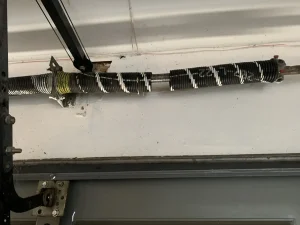
- Spring gap: a separation shows in the spring coils above the opening.
- Strained sound: the opener runs louder during a full cycle.
Why It Is Urgent: Counterbalance loss shifts more load to the lift hardware, increasing the risk of a sudden hard drop and of injury or damage to tracks, rollers, and panels.
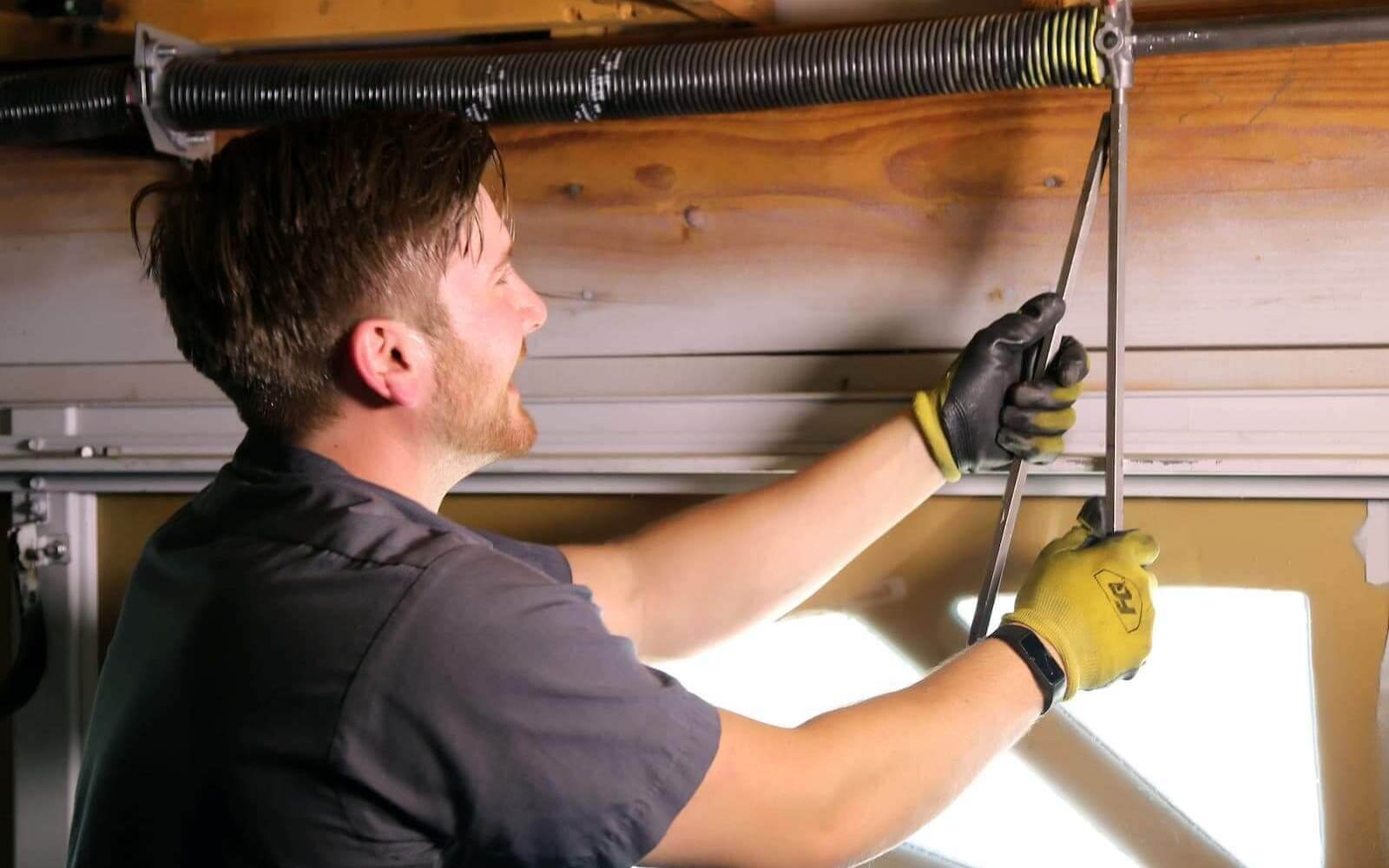
Clopay explains that torsion springs and extension springs carry most of the door’s weight, so worn or failing springs reduce counterbalance control and can cause the door to drop faster during closing.
Lift Support Is Uneven From Side to Side, and the Door Tilts
Uneven lift support pulls the door out of square, so one side carries more load, and the door can travel crooked.
Movement patterns that often point to this meaning include:
- Tilted descent: One side drops faster while closing.
- Track rub: Rollers scrape along one track wall.
- Cable slack: Tension looks different between the two lift cables.
- Corner strain: Bottom corner hardware takes extra load.
- Wobble: Travel feels shaky even at slow speed.
Why It Is Urgent: Crooked travel increases uneven stress on rollers, cables, and brackets, which can lead to binding, sudden release, and escalating damage across the lift path.
Uneven lift tension often points to worn or damaged cables, which is why garage door cable repair is commonly required to restore balanced door movement.
Broken Garage Door Spring or Cable, and Lift Support Drops Suddenly
A broken spring or cable removes major lift support, so the door can lose control during closing and hit harder than normal.
Warning signals that often match this meaning include:
- Sharp snap: a loud pop or bang comes from the garage.
- Hanging line: a loose cable appears near a drum or along the track.
- Fast drop: closing speed increases abruptly near the bottom.
- Uneven close: one side reaches the floor first.
- Visible wear: fraying or rust shows on lift parts.
Why It Is Urgent: Sudden lift loss can turn a routine close into a high-risk drop, increasing the risk of injury and damage to panels, tracks, and the opener arm.
A damaged spring removes the tension that supports the door’s weight, making garage door spring service necessary to restore proper lift balance.
Opener Force Setting Malfunction, and the Motor Pushes Past Resistance
Incorrect opener force settings can cause the motor to continue pushing during closing, resulting in rough travel and a harder impact on the floor.
Operating behaviors that often suggest this meaning include:
- Overdrive push: the opener continues even as resistance increases.
- Hard landing: the door hits the floor with extra impact.
- Pace swings: closing speed changes mid-cycle without a clear cause.
- Strain noise: the motor sounds stressed near the end of travel.
- Inconsistent reversal: safety behavior feels less predictable than usual.
Why It Is Urgent: Excess force can mask a lift problem and increase wear on lift hardware, making a sudden slam more likely if a spring or cable is already weakening.
Chamberlain explains that incorrect down-travel or force settings can make a garage door hit the floor and reverse during closing, which often signals that travel limits or mechanical issues in the door system need adjustment.
Garage Door Closes Too Fast: The Most Common Mechanical Triggers
A garage door closes too fast when the lift system can no longer control the door’s weight, allowing gravity to pull the door down faster than normal.
Common mechanical triggers include:
- Broken or worn garage door springs that reduce counterbalance support and allow the door to drop faster during closing.
- Snapped or loose lift cables that remove support on one side of the door and cause uneven movement or a sudden drop.
- Track binding or worn rollers that create friction along the horizontal tracks and suddenly release during travel.
- Loose or shifting hardware that changes door alignment and disrupts smooth movement.
Mechanical triggers like worn springs, damaged cables, and shifting hardware often point to deeper part failure, and our blog on Which Parts Fail When a Garage Door Slams Shut? explains which components usually wear out first and how they affect closing control.
Garage Door Slams When Closing: Warning Signs You Should Not Ignore
A garage door that slams when closing often appears after early warning signs in the lift system, signaling that key parts are wearing down or losing balance.
Common warning signs include:
- Heavier door movement makes the door difficult to lift manually or strains the opener during operation.
- Shaking or uneven travel where the door tilts, jerks, or moves crooked while closing.
- Sudden loud noises such as a bang, pop, or sharp metallic snap during operation.
- Balance problems where the door cannot stay halfway open and begins drifting downward.
Spotting these signs early helps prevent sudden slamming, reduces strain on the garage door system, and allows repairs before more serious damage develops.
What to Do Right Now If the Door Drops or Slams Shut
A garage door slams shut when the lift system suddenly loses control of the door’s weight, so acting quickly helps limit damage and prevent added strain on the garage door system.
Immediate steps include:
- Stop using the garage door opener and avoid running another cycle after the door drops suddenly.
- Keep the area clear, so no one stands under or near the door while the issue remains unresolved.
- Look for visible damage such as a loose cable, a broken spring, or a crooked door position in the tracks.
- Avoid touching high-tension parts because springs and lift hardware can cause serious injury if handled incorrectly.
Next actions and inspection priorities are explained in What Should You Do If a Garage Door Slams Shut?, which outlines how technicians secure the door and check the lift system after a sudden drop.
How Technicians Diagnose the Problem and Restore Safe Operation
Technicians evaluate the garage door system to determine why a garage door slams shut and identify the mechanical issue affecting door balance and movement.
Typical diagnostic steps include:
- Testing the door balance manually to see whether the springs are still supporting the door’s weight properly.
- Inspecting lift cables and drums for slack, fraying, or uneven tension on each side of the door.
- Checking tracks, rollers, and hardware for alignment problems that disrupt smooth travel.
- Reviewing garage door opener settings to confirm travel limits and force adjustments are not contributing to the problem.
A full inspection identifies the failure point, allowing the system to be corrected through professional garage door service before additional damage develops.
Why Is This Issue Urgent in Buffalo Grove, IL
A garage door slams shut when the lift system fails to control the door’s weight, which can quickly lead to damage and operational problems if the issue is ignored in Buffalo Grove, IL.
Key reasons the issue needs attention include:
- Sudden door drops can bend tracks, damage panels, and strain the garage door opener.
- Higher impact force when the door hits the floor, increasing wear on springs, cables, and hardware.
- Escalating mechanical damage as worn parts place extra load on the entire garage door system.
- Greater risk of injury or property damage if the door falls unexpectedly during closing.
Addressing the issue early helps prevent larger repairs and restores smooth, controlled operation of the garage door system.
Stop the Cause Behind a Garage Door That Slams Shut Today
A garage door slams shut when the counterbalance system no longer controls the door’s weight during closing. Ignoring the issue can lead to additional damage across the garage door system and turn a small mechanical problem into a more serious repair.
MF Solutions provides professional inspections and dependable garage door repair services for homeowners in Buffalo Grove, IL. If your door is dropping suddenly or showing warning signs, contact us or give us a call today to schedule an inspection and get your garage door working smoothly again.