

When a garage door slams shut, it usually means the lifting and counterbalance parts are no longer controlling the door’s weight during closing, allowing the door to drop faster than normal. This sudden movement often signals developing garage door problems that can lead to property damage and unsafe operation if the underlying issue is not inspected.
The garage door opener is designed to guide the door’s movement but does not support the door’s weight, which is why it rarely causes the door to slam on its own. In most cases, a slamming garage door indicates worn springs, cables, drums, or other hardware in the garage door system that are no longer properly supporting the door.
Why Is a Garage Door Slam Event So Urgent?
A sudden slam usually means the door’s counterbalance system is no longer controlling the door’s weight, which can overload lift hardware quickly and create a dangerous situation with a higher risk of property damage and serious injury in Buffalo Grove, IL.
A garage door that slams shut becomes urgent because:
- The door can drop suddenly under the force of gravity, creating a real risk of serious injury to anyone nearby.
- The sudden impact can cause property damage to vehicles, stored items, or the door panels themselves.
- A broken garage door spring or a snapped garage door cable can shift uneven stress across the entire garage door system, increasing the chance of additional failures.
- The garage door opener may attempt to compensate for the imbalance, potentially damaging internal parts or overloading the motor.
- Continued operation can worsen existing garage door problems, turning a single failure into a multi-part breakdown.
To understand how these slam risks connect to professional inspection priorities, read our guide on Garage Door Slams Shut: What It Means and Why It’s Urgent, which explains why counterbalance failures escalate quickly.
How These Parts Work Together During a Normal Close
A smooth close occurs when the counterbalance and guide hardware share the load, keeping the door level, steady, and controlled.
Key ways these parts work together during closing include:
- Springs counterbalance the door’s weight while the shaft turns, so the door lowers under control instead of free-falling.
- Lift cables unwind evenly from the drums on both sides, keeping the door level and preventing it from tilting or twisting.
- Rollers travel along the tracks to keep the door aligned, reducing binding and making movement predictable.
- The opener guides the closing path and responds to resistance, but it depends on balanced mechanical parts to move smoothly.
Routine garage door maintenance helps keep spring tension, cable tracking, and roller alignment stable so the door stays controlled.
Failing Parts That Commonly Cause a Garage Door Slams Shut Incident
Torsion Springs and Extension Springs
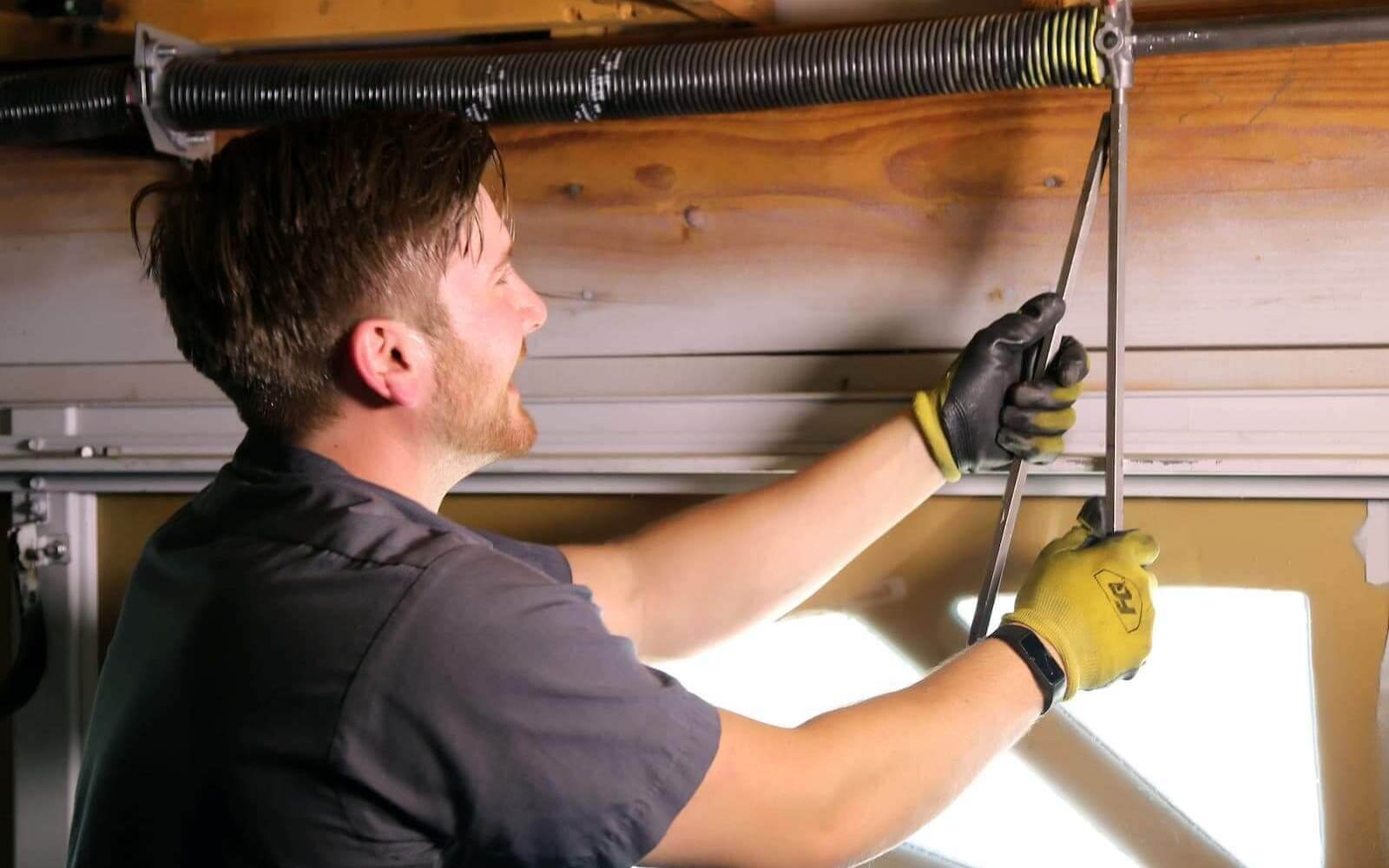
Spring failure is one of the fastest ways a garage door can slam shut because the spring system counterbalances the door’s weight under high tension.
Common spring breakdown triggers include:
- Metal fatigue in torsion springs weakens lifting power over time.
- Stretched extension springs that no longer hold consistent tension.
- A sudden loud bang that signals a snapped coil and a rapid loss of balance.
- Visible signs of wear on metal coils that point to premature failure.
- A broken spring that turns normal closing into a dangerous situation.
DASMA explains that older or worn springs should be inspected by a trained technician and replaced when needed to reduce injury risk and prevent added strain across the door system.
Lift Cables and Bottom Brackets
Cable support failures can turn a stable close into a sudden drop because lift cables share the load on each side of the door and anchor into bottom brackets that hold heavy tension.
Signs that cable and bracket parts are driving the slam include:
- Frayed strands that show clear signs of damage along the cable length.
- Hardware is loosening at the bottom bracket, which shifts the load unexpectedly.
- Uneven lift on the side of your garage door that causes tilt and binding.
- A garage door cable snapped, leaving one side unsupported.
- Movement that turns into a malfunctioning garage door under load.
Load shifts through cable and bracket hardware can spread fast across the entire system, which is why prompt garage door service helps reduce the chance of a multi-part breakdown.
Cable Drums and Bearings
Drums and bearings control how cables wind and unwind, so wear in those parts can create uneven stress that makes a garage door slam shut episode more likely during closing.
Clues that drums or bearings are failing include:
- Cable seating problems that show slipping or uneven winding on the drum grooves.
- Bearing drag increases resistance and destabilizes the garage door’s spring system.
- The shaft wobble throws alignment off and stresses cables on one side.
- Corrosion from moisture exposure weakens key metal components.
- A drop that starts after shifting tension in the door’s counterbalance system.
Wear in drums and bearings often hides until the garage door slams shut, making inspection of the rotating hardware a key part of protecting the entire garage door system.
Rollers, Hinges, and Tracks
Friction problems in rollers, hinges, and tracks can cause binding and sudden release, which is one common path to a garage door slamming shut moment that feels abrupt and uncontrolled.
Patterns that point to track and roller stress include:
- Roller wear that increases drag and creates jerky travel.
- Hinge looseness that misaligns door sections and adds resistance.
- Track shifts in the horizontal tracks that change the door path.
- Rubbing marks that show misalignment and accelerating signs of wear.
- A garage door slams when closing after the track binding suddenly releases.
Track friction and alignment drift can worsen quickly, so off-track garage door service helps restore proper travel before the door binds, scrapes, or causes more damage.
Opener Travel, Force Settings, and Safety Sensors
Opener controls can intensify a slam if the system is already unbalanced, especially if opener settings and force settings push the motor to drive a heavy door that no longer has proper counterbalance support.
Indicators that opener and safety controls are involved include:
- Over-driving during closing, applying too much force against resistance.
- Reversals or erratic stops that point to active safety features detecting a problem.
- Strain symptoms that show the door opener is working harder than normal.
- A garage door closes too fast because the opener is compensating for weak lift support.
- Extra stress on the garage door opener after a broken garage door spring changes the balance.
The Chamberlain Group notes that safety reversing sensors stop and reverse the door if something crosses the invisible beam during closing, and the amber and green LEDs confirm power and alignment on each side of the opening.
How Buffalo Grove Conditions Accelerate Wear on Lift System Components
Buffalo Grove, IL, weather and daily cycling can accelerate wear on lift hardware, increasing the risk that a garage door will slam shut without warning.
Local conditions that commonly drive faster wear include:
- Temperature swings that stress metal parts and weaken spring performance over time.
- Humidity and moisture exposure promote corrosion on cables and bearings.
- Winter residue and debris that add friction along rollers and track surfaces.
- Frequent open-and-close cycles that push springs and rollers toward premature fatigue.
- Delayed regular maintenance allows minor wear to become unstable movement.
Local wear drivers in Buffalo Grove and the most common failure triggers are detailed in our blog on What Causes a Garage Door to Slam Shut in Buffalo Grove?, which explains how weather and daily cycling lead to faster component breakdown.
How a Broken Garage Door Spring Creates Immediate Safety Risks
A broken garage door spring can trigger a garage door slamming shut incident because the counterbalance loses control of the door’s weight, allowing the door to drop with more speed and force than normal.
Immediate risks tied to spring failure include:
- Uncontrolled descent and impact damage can crack sections, bend hinges, and create new signs of damage along the lower panels.
- Cable and drum overload, which increases uneven stress and raises the chance of a second failure on the side of the door that is still carrying the load.
- Bottom bracket tension spikes, which can loosen hardware and worsen strain across the entire system during the next close cycle.
- Opener strain and drive stress, which can trigger abnormal resistance behavior and shorten the life of connected moving parts.
Spring failure risks and the correct next-step response are explained in our blog on What Should You Do If a Garage Door Slams Shut?, which outlines what to stop doing immediately and what professionals check first after a sudden drop.
Failure Patterns Technicians Use to Pinpoint the Root Cause
Technicians track specific movement and sound patterns to identify the failing part when a garage door slams shut.
Key failure patterns that point to the root cause include:
- A sudden loud bang followed by a heavy close that often signals a spring break.
- A drop that twists toward one side of the door, which commonly indicates cable or drum imbalance.
- Jerky travel and rubbing that suggest track friction, roller wear, or alignment drift.
- A stop-and-reverse cycle that can show abnormal resistance or sensor interference during closing.
Pattern-based diagnosis helps isolate the failing component faster and keeps the repair scope focused on the parts that actually caused the slam.
What Do Technicians Check After a Door Slam?
Professional inspections focus on the counterbalance and lift hardware that most often fail when a garage door slams shut.
Inspection steps typically include:
- Checking the spring condition and balance to confirm that the system can control the door’s weight.
- Inspecting lift cables, drums, and bottom brackets for fraying, slipping, or uneven tension.
- Examining rollers and track alignment for binding, rubbing, or hardware drift.
- Reviewing opener travel limits and opener’s force settings to confirm the motor is not over-driving a stressed system.
- Documenting wear points and outlining the repair scope needed to restore stable door movement.
Inspection findings usually reveal which lift component failed first and how stress spread across the system.
Inspect the Right Parts Before a Garage Door Slams Shut Again
A garage door slams shut when lift system components fail to control the door’s weight, often pointing to spring, cable, drum, bearing, or track issues that need professional attention. Identifying the failing part early helps limit added wear across the entire system and reduces the chance of repeat drops.
MF Solutions supports homeowners in Buffalo Grove, IL, with professional inspections and reliable repairs that target the parts causing unstable door travel. If the door drops unexpectedly or shows signs of damage, contact us or give us a call today to schedule service and pinpoint the failed part before the damage spreads.
Frequently Asked Questions
Can a garage door slam shut even if the spring is not completely broken?
Yes. A weakened spring can lose enough lift support that the door’s weight is no longer controlled during closing, leading to a sudden drop. We usually confirm the spring balance and cable tension to identify whether the counterbalance is failing.
Can worn rollers cause the door to drop suddenly without any spring damage?
Yes. Rollers that bind can create drag and jerky travel, then release suddenly and make the door drop faster than expected. We inspect rollers, hinges, and track alignment to confirm whether friction is driving the slam behavior.
Is a loud bang always a sign of a spring failure?
No. A loud bang often indicates a spring breaking, but similar noises can also come from a cable slip, a drum shift, or hardware impact during an uneven close. We check the spring system first, then verify cables, drums, and brackets for signs of damage.
Can a misaligned drum cause repeated slamming even after a cable is replaced?
Yes. A drum that is out of alignment can keep the cable from tracking evenly, leading to uneven stress and repeated dropping on one side. We verify drum position, bearing support, and cable seating to restore balanced travel.
Should both springs be replaced if only one fails?
Yes, in most cases. Springs usually wear at a similar rate, so keeping one old spring can create an imbalance and shorten the life of the new one. We evaluate the full spring-cycle condition and the door weight to confirm the best replacement approach.
Can a damaged bottom bracket make the door unsafe to operate?
Yes. Bottom brackets hold lift cable tension, so damage or loosening can lead to sudden load shifts and an uneven drop. We inspect bracket integrity and cable attachment points before allowing continued operation.
Why does the door feel heavier right before it starts slamming shut?
A heavier feel usually means the counterbalance is losing lift support and the door is carrying more of its own weight. We often see this right before a garage door spring broken condition becomes a full failure.
Can opener force settings make hardware wear worse over time?
Yes. Force settings that are too high can mask rising resistance and push stressed parts harder than they should be pushed. We check travel limits and resistance points so the opener is not compensating for mechanical wear.
How long after a slam event can you wait before scheduling service?
You should not wait. Continued cycling can increase strain on cables, drums, and brackets, and expand the scope of repair. We recommend scheduling service promptly so the failed part is identified before damage spreads.
Can a garage door slamming shut damage the opener even if it still runs?
Regular inspections help identify spring issues, cable wear, and alignment changes before closing control is lost. A garage door spring broken condition can result from cycle fatigue, so scheduling professional inspections supports safer operation and longer component life.


