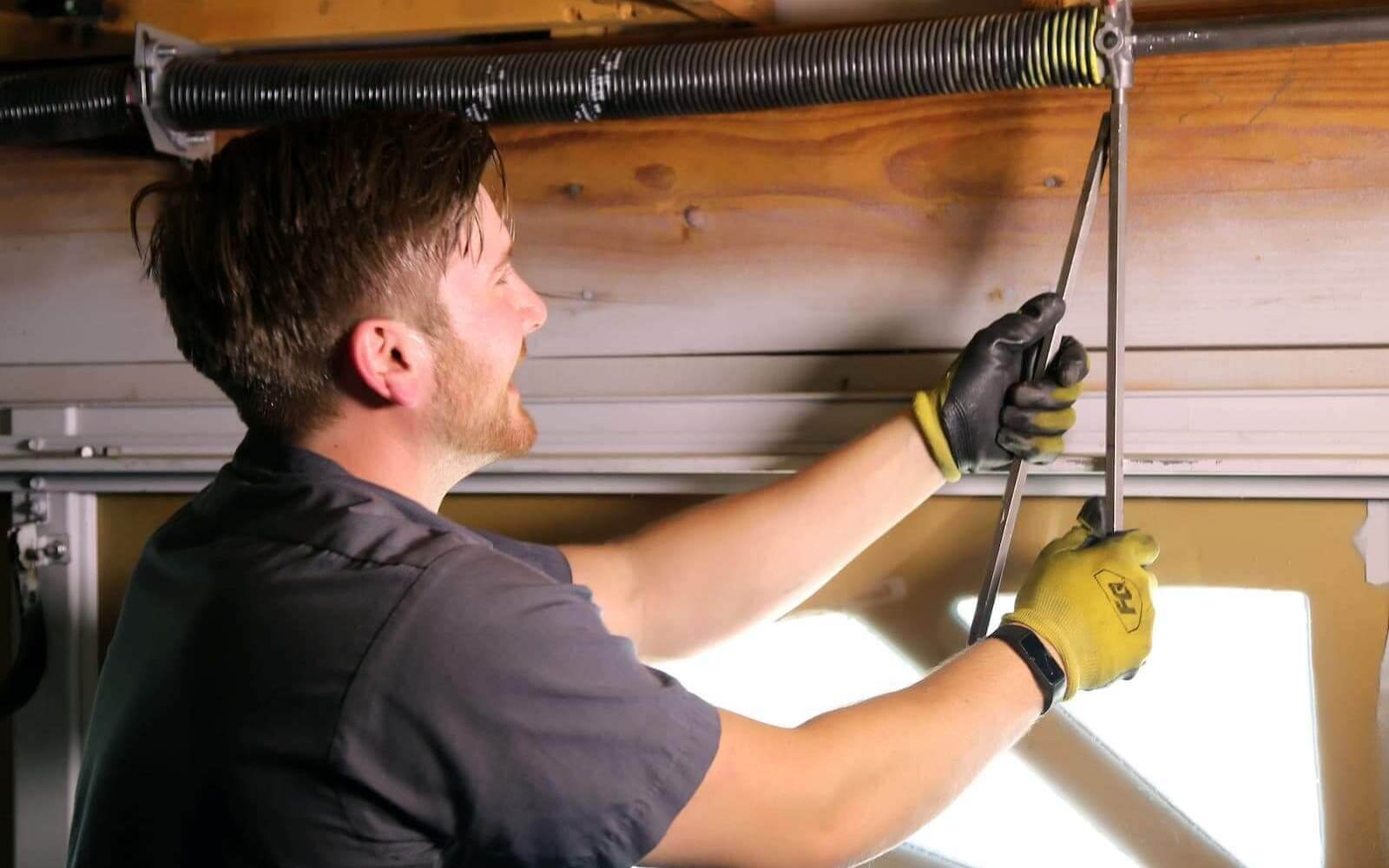


A garage door that drops suddenly instead of lowering smoothly usually means the counterbalance parts are no longer controlling the door’s weight. When that balance fails, a garage door slams shut, creating a serious safety concern and increasing the risk of property damage in Buffalo Grove, IL.
Most systems rely on springs, cables, and a garage door opener working together to guide a controlled close. If any of these parts wear out or fail, the door can begin moving unpredictably, leading to urgent garage door problems that often require professional diagnosis.
Why Does a Garage Door Suddenly Drop Instead of Closing Smoothly?
A garage door that drops suddenly instead of lowering smoothly often means the door’s counterbalance system is no longer controlling its weight, allowing stress to shift to the lift hardware and safety features that are not designed to carry it, increasing the risk of sudden failure.
Common reasons this loss of control happens include:
- The spring system loses tension, so the door weight is no longer balanced during closing.
- Lift cables slip, fray, or lose alignment, creating uneven stress and unstable travel.
- Horizontal tracks or rollers bind, then suddenly release, causing a rapid drop.
- Opener settings or opener’s force settings apply too much force when resistance increases.
- Metal components weaken over time, leading to premature failure across the entire system.
To understand how these mechanical failures develop and why they often lead to sudden door drops, read our blog on Garage Door Slams Shut: What It Means and Why It’s Urgent, which explains the warning signals technicians evaluate and why a slamming garage door should be inspected right away.

Common Causes Behind a Garage Door Slams Shut Problem in Buffalo Grove
Broken Torsion Spring or Broken Garage Door Spring
Torsion springs hold stored torque above the door opening, and a fracture can remove the counterbalance support that keeps the closing speed stable and controlled.
Watch for break patterns such as:
- A sudden loud bang near the header during operation
- Visible gap separating the metal coils on the shaft
- The door feels extremely heavy during manual lifting
- Opener strains, stalls, or reverses under unexpected load
- Closing motion speeds up as the door nears the floor
The International Code Council explains how garage door code provisions and code compliance support safety-focused installation and reduce the likelihood of injury from a garage door assembly.
Garage Door Cable Snapped or Lift Cable Failure
Lift cables guide equal movement on both sides of the door, and damage can remove support on one side during the closing cycle.
Look for cable warning signs, including:
- Slack cable hanging near the bottom bracket area
- Door tilting toward one side instead of staying level
- Drum wrap is becoming uneven, leading to jerky travel
- Frayed strands are visible along the lifting path
- Sudden drop on one side during closing
Cable imbalance pulls the door off-level and strains drums and brackets, so scheduling garage door cable service helps restore even tension and controlled travel.
Worn Extension Springs Losing Tension
Extension springs stretch along the horizontal tracks to offset the door’s weight, and fatigue can reduce the pulling strength that stabilizes the door.
Common performance drops show up as:
- Door drifting downward after partial opening
- Closing speed is increasing gradually over time
- Bounce off the floor instead of a smooth settle
- Uneven motion between left and right travel
- Stretched coils showing distortion or surface wear
Reduced extension support transfers more load into the opener and lift hardware, increasing strain across moving parts and allowing gravity to overpower smooth control.
Damaged Bottom Brackets or Cable Drums
Bottom brackets anchor the cables and drums, control cable wrap, and wear in either area can destabilize closing tension and alignment.
Signs to confirm include:
- Cable riding outside drum grooves during movement
- Drum wobble or inconsistent rotation on the shaft
- Corrosion around bracket attachment points near the floor
- Door shifting during the final inches of closing
- Scraping sounds that appear as alignment changes
Drum or bracket wear disrupts cable tracking and tension balance, increasing uneven stress and making the lift path more prone to jerks and sudden drops.
Track Obstruction or Bent Garage Door Track
Straight tracks support smooth roller travel, and a bend or obstruction can build friction that releases suddenly during closing.
Track interference often appears as:
- Rollers catch briefly, then drop on release
- Door rubbing at one spot along the track line
- Visible bend, twist, or pinch in the metal channel
- Vibration as rollers pass the affected section
- Fresh scrape marks are forming where metal contacts metal
Track resistance can cause sudden releases that jolt rollers and hinges, and an off-track garage door inspection helps confirm alignment issues before the door binds or drops again.
Loose or Failing Spring Anchor Hardware
Spring anchor hardware stabilizes the torsion assembly, and looseness can shift tension distribution and reduce consistent balance during operation.
Mounting instability can show up as:
- Vibration near the center bracket above the door
- Torsion shaft movement that was not present before
- Uneven cable wrap forming on one drum
- Rattling noises near the header during cycles
- Fasteners backing out or surface wear around the mount
Anchor movement shifts spring tension along the shaft, increasing vibration and accelerating wear in the spring system and cable path.
Opener Force or Travel Limits Set Wrong
Opener adjustments control travel endpoints and force output, and incorrect settings can push the door down too aggressively on close.
Opener-related patterns may include:
- The door hits the floor hard before the motor stops
- Travel continues after the door fully closes
- Reversal behavior changes without any track changes
- Closing speed increases as the motor overpowers resistance
- Hard closing that feels inconsistent from cycle to cycle
The Chamberlain Group explains that incorrect travel limits and excessive closing force can interfere with the safety reversal system, leading to unsafe closing behavior.
How Counterbalance System Failures Make a Garage Door Close Too Fast
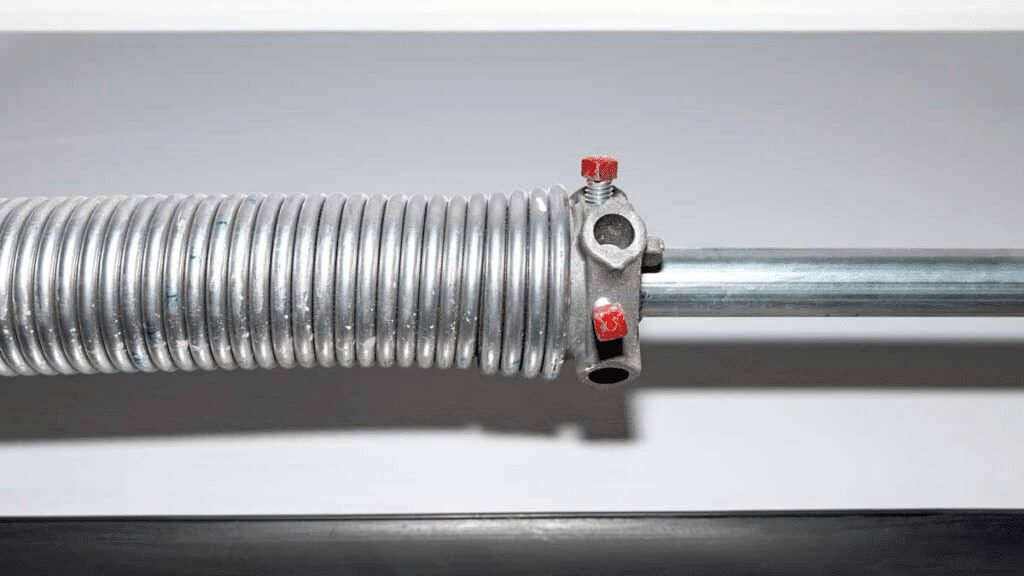
Counterbalance failure means the lift parts are no longer offsetting the door’s weight, so the closing cycle can speed up and lose smooth control.
Key ways this breakdown shows up include:
- Springs losing tension, leaving more door weight to gravity
- Cables slipping on drums, creating uneven lift support
- Worn hardware increases friction, then suddenly releases
- Opener force pushing through the imbalance instead of guiding travel
- System strain spreading across multiple moving parts
Restoring balance reduces sudden drops and limits strain on the lift hardware, making garage door maintenance a smart way to catch wear early and keep closing travel controlled.
How Buffalo Grove Weather Can Lead to Door Slamming
Seasonal shifts in Buffalo Grove can change how metal parts wear and move, increasing lift-system strain and reducing smooth control during closing.
Weather-related factors that can contribute include:
- Temperature swings that affect spring tension and coil performance
- Moisture exposure that accelerates rust on metal components
- Cold-weather stiffness that increases friction along moving parts
- Lubrication breakdown that raises resistance in rollers and hinges
- Condensation that adds corrosion risk around cables and brackets
Seasonal wear can exacerbate existing balance issues, making sudden drops more likely and increasing the need for professional diagnosis before damage spreads.
Which Garage Door Parts Are Most Likely to Fail When Slamming Starts
Slamming usually stems from a small group of lift parts that bear the highest load and wear fastest during daily cycles.
Parts that commonly fail first include:
- Torsion or extension springs that lose tension or break
- Lift cables that fray, slip, or jump off the drums
- Cable drums and bottom brackets that create uneven pull
- Rollers and track areas that bind and release suddenly
- Opener limit and force controls that overdrive the closing travel
A detailed breakdown is provided in our guide on Which Parts Fail When a Garage Door Slams Shut?, which explains how each high-wear part affects closing control and what expert technicians inspect first.
What Should You Do After a Garage Door Slams Shut Unexpectedly
A sudden slam often signals high-tension failures in the lift system, so safe handling starts with reducing risk and avoiding added strain on moving parts.
Smart next steps typically include:
- Keep the door closed and limit use until a professional inspects it
- Avoid using the opener if movement feels heavy or uneven
- Keep children, pets, and vehicles away from the door path
- Check for obvious signs of damage, like loose cables or a crooked door
- Schedule a professional diagnosis to confirm spring, cable, or track failure
A complete response plan is discussed in our guide on What Should You Do If a Garage Door Slams Shut?, which explains what expert technicians check after a sudden drop and how to limit further system damage.
What a Professional Inspection Covers After a Door Slams Shut
Professional inspection focuses on identifying the exact lift-system failure and confirming the strain spread across connected parts after the sudden drop.
Inspection priorities often include:
- Spring condition and visible signs of wear in the spring system
- Cable and drum tracking problems that create uneven stress
- Door balance testing related to the door’s weight and door weight
- Rollers travel along horizontal tracks to check for binding
- Brackets and mounting hardware are showing signs of damage
- Opener settings and force settings that may apply too much force
- Safety features and reversal response during full cycle testing
A thorough evaluation helps confirm the cause of the slamming event and determine what garage door service is needed to restore stable movement throughout the system.
Resolve the Causes of a Garage Door Slamming Problem in Buffalo Grove
A garage door slams shut when the lift system loses balance and control, often due to spring failure, cable damage, track interference, or incorrect adjustments to the opener. Addressing the root cause early helps reduce strain across the entire system and limits avoidable property damage.
MF Solutions delivers professional garage door service in Buffalo Grove, IL, with expert technicians who accurately diagnose issues with springs, cables, and openers. Contact us or give us a call today to schedule an inspection and stop the garage door from slamming shut again.