
A bent or damaged garage door panel is one of the most frustrating problems a homeowner can face. Ignoring the damage can cause it to spread quickly and compromise the appearance, operation, and overall protection of your property.
The good news is that not every dent or bend automatically requires a full replacement. Knowing what to look for, what questions to ask, and when to call a professional can point you toward the most practical and cost-effective solution for your situation.
What Happens When a Garage Door Panel Gets Damaged?
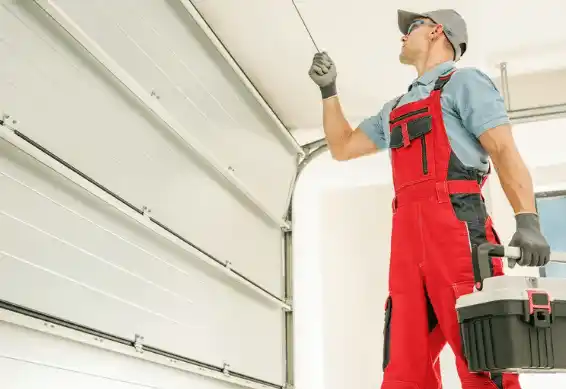
A damaged garage door panel rarely stops at just one problem because the impact travels beyond the surface and puts stress on the surrounding components of the entire door system.
Here is what typically happens when a garage door panel gets damaged:
- The door’s alignment shifts and causes uneven movement along the tracks
- Hinges and rollers take on extra stress from a panel that no longer sits correctly
- Gaps form along the panel edges and allow outside air and moisture to enter
- The openers work harder than normal to compensate for the added resistance
- The structural balance of the entire door becomes compromised over time
To understand what puts your panels at risk, read our guide on What Causes Garage Door Panels to Bend and Crack?, which covers the most common causes homeowners in Buffalo Grove, IL, overlook before the damage gets worse.
Types of Garage Door Panel Damage
Garage door panels can be damaged in several ways, and identifying the type early makes it easier to determine the right course of action.
Common types of garage door panel damage include:
- Dents and bends from a vehicle or debris impact leave the panel misshapen and affect door movement
- Cracks and splits on wood and fiberglass panels worsen quickly when moisture and temperature changes are left unchecked
- Warping and rust on steel and aluminum panels develop gradually from prolonged exposure to harsh weather conditions
- Structural damage to the panel frame throws off the balance of the entire door and creates safety hazards
Knowing which type of damage you are dealing with is the first step toward choosing between garage door repair and a full replacement.
Signs Your Garage Door Panel Needs Immediate Attention
Panel problems are easy to miss until the damage has already grown into something more serious and costly to fix.
Watch for these warning signs:
- The door struggles or hesitates during opening and closing, which often points to a panel that has shifted out of position
- Noticeable gaps or drafts along the panel edges allow outside air and moisture to enter the garage
- Grinding, scraping, or rattling sounds during operation indicate the panel is interfering with the tracks or hardware
- A sudden spike in energy bills can mean the panel is no longer providing a proper insulation barrier
Catching these signs early gives you the best chance of avoiding garage door emergencies that are far more disruptive and costly to resolve.
Factors That Affect Whether Your Panel Can Be Repaired or Replaced
Several key factors determine whether a damaged panel can be repaired or whether a full garage door panel replacement is the more practical option.
Here are the factors that affect your repair or replacement decision:
- The extent of the damage determines whether the panel structure can still hold up after a repair
- The material of the panel affects how well it responds to reshaping or patching
- The age of the door plays a role in whether matching replacement panels are still available
- A mismatched or discontinued panel style may make full door replacement the only viable option
To get a clearer picture of how long your panels should last, read our guide on What Is the Average Lifespan of a Garage Door Panel?, which breaks down the key factors that determine how long panels last before showing signs of wear.
Can a Bent Garage Door Panel Be Repaired?
A Car Lightly Bumped Into the Panel
A light vehicle impact is one of the most common reasons homeowners discover panel damage, and the affected section is often still repairable.
Signs that a light bump may still be repairable:
- Only the outer surface shows a shallow dent with no cracking around the edges
- Door movement remains smooth and uninterrupted after the impact
- No visible bending on the panel frame or surrounding sections
- Hardware like hinges and rollers still function without resistance
Minor dents from low-speed contact are among the most manageable types of panel damage to address early.
The Panel Has a Small Dent but Still Functions
Small dents that do not interfere with door operation are strong candidates for repair, and catching them early prevents bigger problems.
Look for these indicators that a small dent is still manageable:
- The dent is shallow and limited to one spot on the panel surface
- Opening and closing cycles are completed fully without stopping or reversing
- No gaps have formed along the panel edges or the bottom seal
- Alignment along the tracks remains even on both sides of the door
Monthly visual inspections of hinges, rollers, and panels are among the most practical ways to catch small dents and signs of wear before they become more serious repairs.
Only One Section Shows Visible Damage
Isolated visible damage to a single panel is one of the strongest indicators that a targeted repair remains a practical and cost-effective option.
Key points to check when damage appears on one section:
- Damage stays within the boundaries of one panel without spreading to adjacent sections
- Surrounding panels remain flat, aligned, and free of stress marks
- Matching replacement panels for the existing door model are still available
- No warping has occurred along the panel’s top or bottom rail
Damage that stays contained to one section gives homeowners more options and keeps the overall repair process straightforward.
The Bend Is Minor and Hasn’t Affected Alignment
A slightly bent panel that still allows the door to operate correctly gives homeowners a better chance of resolving the issue before it worsens.
Watch for these conditions that point toward a manageable bend:
- The door opens and closes without hesitation or unusual resistance
- Tracks on both sides remain properly aligned with no visible gaps
- No stress marks or cracks have formed around the bent area
- The bottom seal still makes full contact with the ground during closing
Panels that have not thrown off the door’s alignment are far easier and more cost-effective to restore through professional repair.
When Garage Door Panel Replacement Is the Better Choice
The Panel Is Severely Crushed or Caved In
Severe crushing or caving means the panel frame has been pushed beyond what any repair can restore.
Signs that a crushed or caved panel needs full replacement:
- The panel surface has folded inward and no longer holds its original form
- Visible bending extends beyond the outer skin and into the frame
- Surrounding panels show stress marks from the impact
- Door movement is completely blocked or severely restricted
Panels that have caved in from a heavy impact are among the most straightforward cases where full replacement is the only practical path forward.
Multiple Sections Are Damaged at Once
Widespread damage across several panels puts the entire door system under uneven stress that repair alone cannot fully correct.
Reasons why multiple damaged panels point toward full replacement:
- Repairing each panel individually often costs more than a full door replacement
- Uneven stress from multiple damaged sections throws off the door’s balance
- Matching panels for every damaged section may no longer be available
- Structural integrity across the entire door becomes difficult to guarantee
Replacing the full door is often the most cost-effective and structurally sound decision when multiple panels are damaged at once.
The Door No Longer Opens or Closes Properly
Panel damage that has knocked the door off its normal operating path creates safety hazards that go beyond what a simple repair can address.
Watch for these signs that the door has lost proper function:
- Opening and closing cycles stop midway without any input from the opener
- Visible gaps appear between door sections during movement
- Tracks on one or both sides show bending or separation from the wall
- Springs and cables show signs of added strain from the imbalance
Tracks and springs showing added strain are strong indicators that professional assessment is the only way to restore full door function.
Matching Panels Are No Longer Available
Discontinued panel styles leave homeowners with few options beyond replacing the entire door for a uniform appearance.
Key reasons why unavailable matching panels lead to full door replacement:
- Manufacturers phase out older panel styles after a certain production period
- Installing a mismatched panel reduces the door’s overall curb appeal
- Inconsistent door design lowers the visual value of the home’s exterior
- Full replacement opens the opportunity to upgrade to a more energy-efficient system
Full door replacement becomes the most practical option when matching panels are no longer available from the manufacturer.
DIY vs. Professional Garage Door Panel Repair
Knowing the difference between what homeowners can handle and what requires a trained technician is critical to avoiding further damage and unnecessary costs.
DIY | Professional | |
Scope | Minor cleaning, visual checks, and tightening loose hardware | Full panel inspection, replacement, and structural repairs |
Tools Required | Basic household tools | Specialized equipment and calibrated tools |
Risk Level | Low for surface tasks only | Trained to handle heavy components and tensioned systems |
Cost | Low upfront, but can lead to expensive repairs if done incorrectly | Higher upfront, but guarantees correct installation |
Result | Temporary fix for minor surface issues | Long-term repair with professional accountability |
To find out how panel wear and age factor into your decision, read our guide on When Should You Replace a Garage Door Panel?, which walks through the most telling signs that a panel has reached the end of its serviceable life.
What to Expect During a Garage Door Panel Replacement
Professional garage door panel replacement is more involved than most homeowners expect, and knowing the process helps you ask the right questions.
Here is what typically happens during a garage door panel replacement:
- A technician inspects the full door and identifies the correct replacement panel
- Damaged sections are carefully removed without disturbing surrounding hardware
- Matching replacement panels are fitted and secured to restore the door’s structure
- Hinges, rollers, and brackets are checked and adjusted during installation
- A full operation test confirms the door opens, closes, and seals correctly
Garage door panel replacement cost varies depending on material, panel size, and labor, so getting a written estimate beforehand helps avoid unexpected expenses.
How to Prevent Garage Door Panel Damage in Buffalo Grove, IL
Homeowners in Buffalo Grove, IL, deal with harsh winters and temperature swings that put extra stress on garage door panels year-round.
Here are practical ways to prevent garage door panel damage:
- Inspect panels at the start of each season for early signs of wear or surface damage
- Apply weather-resistant lubricant to panel edges and moving parts before winter
- Clear ice and snow buildup from the base of the door to prevent warping
- Avoid parking too close to the garage door to reduce the risk of accidental impact
- Check the bottom seal regularly to block moisture and cold air from entering
Consistent seasonal maintenance is the most effective way to extend the life of your panels and reduce the need for garage door maintenance visits down the road.
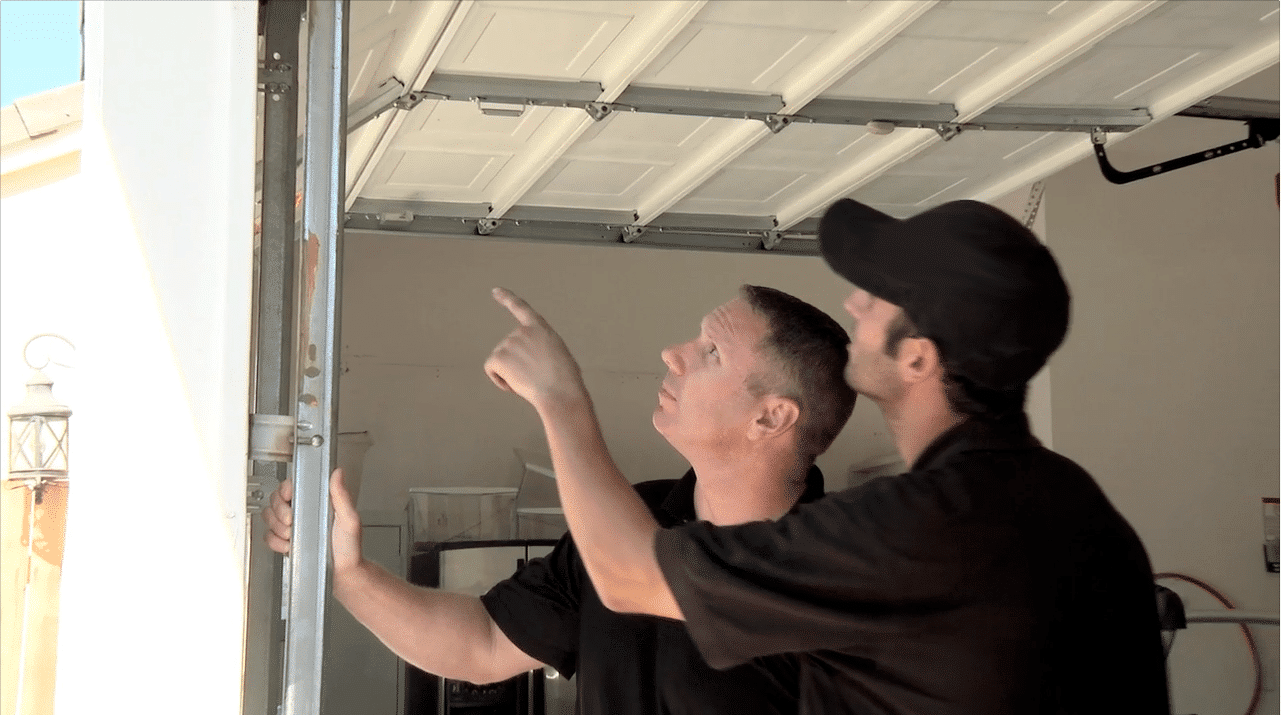
Is Your Bent Garage Door Panel Worth Fixing or Is It Time to Replace It?
A bent or damaged garage door panel does not always mean you need a full replacement, and understanding the difference can save you significant time and money. Knowing when to repair and when to replace gives you the confidence to make the most practical decision for your home and budget.
MF Solutions delivers professional garage door panel repair and replacement services to homeowners across Buffalo Grove, IL. Contact us or give us a call today to schedule an inspection with a skilled technician who can assess the damage to your panel and recommend the most effective solution.
