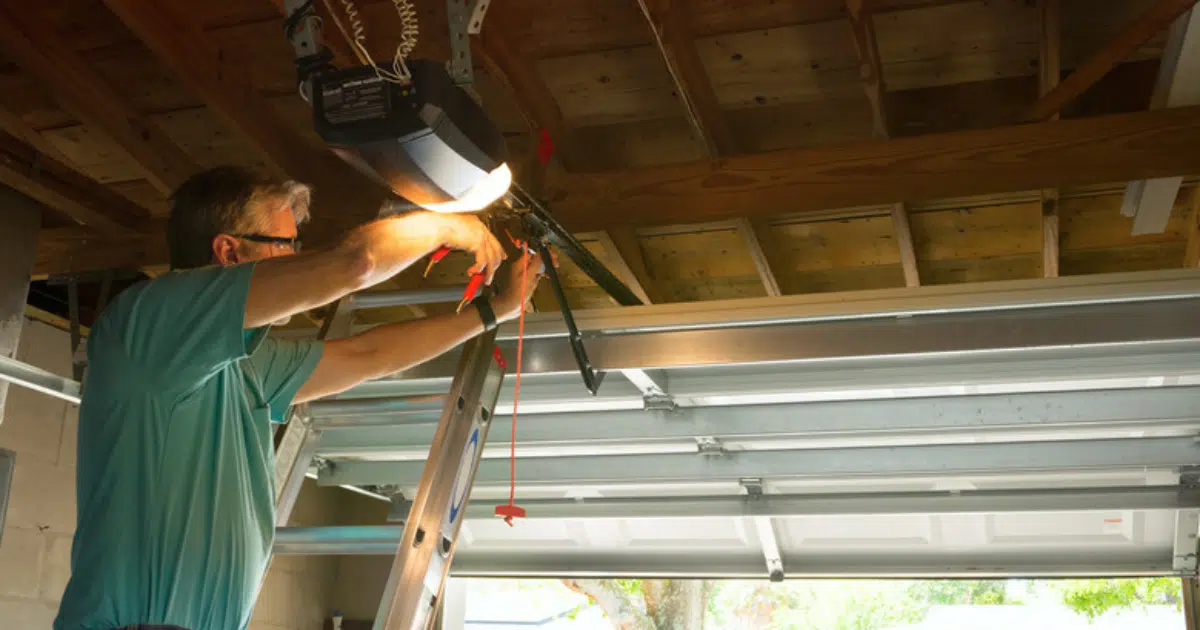


Having trouble with your automatic roll-up garage door opener? Learn how to identify common issues and apply practical fixes to keep your system running reliably.
Automatic garage doors have become an essential part of modern living, offering convenience, security, and efficiency. Among the various types available, the automatic roll-up garage door opener is known for its compact design and smooth operation. However, like all mechanical systems, these openers can occasionally malfunction, leaving homeowners frustrated or locked out of their garages.

Understanding the typical issues associated with automatic roll-up garage door openers helps prevent larger, costlier repairs. Many problems stem from worn-out parts, power issues, misaligned sensors, or software malfunctions. The key to effective troubleshooting is recognizing the symptoms early and taking appropriate action before the issue escalates.
In this guide, we outline the most frequent problems homeowners face with automatic roll-up garage door openers, along with practical solutions you can apply yourself or with the help of a professional. Whether it’s a remote that doesn’t work or a door that won’t close fully, this blog aims to provide clarity and direction.
Understanding the Basics of Automatic Roll-Up Garage Door Openers
How These Systems Work
Operates by using a motorized unit connected to a roller mechanism. This motor raises and lowers the door by rotating the roll, neatly winding the door into a coil above the opening. Sensors, remotes, control panels, and sometimes Wi-Fi connectivity work together to provide seamless operation.
Benefits of the Design
- Space-saving due to vertical storage
- Smooth and quiet operation
- Enhanced security features
- Ideal for both residential and light commercial garages
Understanding how your system is designed can help pinpoint whether an issue is mechanical, electrical, or software-related.
Common Issues with Automatic Roll-Up Garage Door Openers
The Door Won’t Open or Close
If your garage door becomes unresponsive, consider the following possible causes:
- Power Supply Disruption – Ensure the opener is plugged in and the outlet is functional. Check for a tripped breaker or blown fuse.
- Remote or Battery Failure – Replace the remote batteries and verify that the wall-mounted control panel is functioning properly. Try operating the door manually to isolate the issue.
- Misaligned or Blocked Safety Sensors – These sensors prevent the door from closing if something is in the way. Make sure they’re aligned, clean, and free of debris.
- Motor or Gear Malfunction – If all external components are functional, the problem may lie in the opener’s motor or internal gears, which may require professional repair or replacement.
Unusual Noises During Operation
Grinding, squeaking, or rattling sounds can signal wear or improper lubrication. Common causes include:
- Loose or Damaged Rollers – Worn rollers can scrape or vibrate loudly along the track.
- Dry Moving Parts – Lubricate hinges, springs, and rollers with a silicone-based lubricant.
- Misaligned Tracks – Tracks that are bent or out of alignment can cause jarring noises and jerky movement.
If noise persists after lubrication and basic inspection, a technician may need to adjust or replace key components.
The Door Reverses After Hitting the Floor
When the door touches the ground and then immediately reopens, it’s usually related to sensor input or opener settings:
- Travel Limit Settings – Adjust the “down travel” or “force” settings on the opener to ensure it recognizes when the door is fully closed.
- Sensor Obstruction or Misalignment – Clean the lenses and ensure both sensors are properly aligned.
- Malfunctioning Circuit Board – If none of the physical adjustments work, the opener’s control board could be sending faulty signals.
Remote Control or Wall Button Isn’t Working
If your control devices don’t respond, try these steps:
- Replace Remote Batteries – Weak batteries can limit signal range or prevent activation.
- Reprogram the Remote – Follow the manufacturer’s instructions to sync the remote to the opener.
- Inspect Wiring – Check the wall-mounted button for frayed or loose wires.
- Check the Antenna – The opener’s antenna should be free from obstruction and pointed downward to maintain clear signal reception.
In some cases, you may need to reset the opener’s memory and reprogram all remotes and wall units.
The Door Opens or Closes Randomly
Unexpected door movement can be both inconvenient and concerning. Causes may include:
- Frequency Interference – Nearby garage door openers or radio signals may be operating on the same frequency.
- Remote Signal Conflicts – Enable rolling code technology (if available) to prevent frequency duplication.
- Electrical or Circuit Board Issues – Faulty wiring or a damaged logic board can cause erratic behavior.
If the issue continues, professional diagnosis is recommended to prevent security risks or further malfunctions.
Maintenance Tips to Prevent Issues
Consistent, proactive maintenance is the key to extending the lifespan of your garage door system and preventing costly repairs. By performing a few routine checks and upkeep tasks, you can keep your manual or automatic roll-up garage door operating safely and efficiently year-round.
Regular Inspection

Monthly visual inspections allow you to detect minor wear or damage before it leads to major failure. When inspecting your garage door, pay close attention to:
- Tracks, Rollers, and Hinges – Look for dirt buildup, rust, or misalignment. Rollers should spin freely, and hinges should be tight and undamaged.
- Tension Springs and Cables – Springs should remain taut and free of rust. Cables should show no signs of fraying or slack.
- Motor Sound and Response – Listen for unusual noises from the opener motor. Sluggish or erratic performance can indicate internal wear or electrical issues.
If anything looks worn, loose, or out of alignment, consult a technician before attempting to adjust high-tension components yourself.
Lubrication and Cleaning
Proper lubrication and regular cleaning can reduce friction, minimize noise, and extend the life of moving parts.
- Lubricate Moving Parts – Apply a non-greasy, silicone-based garage door lubricant to rollers, hinges, and springs every 3–6 months. Avoid using WD-40 or grease, as they can attract dust and clog the mechanism.
- Clean Safety Sensors – Dust or dirt on sensor lenses can block the beam and cause the door to stop or reverse unnecessarily. Use a soft cloth to wipe the lenses clean.
- Clear Debris from Tracks and Panels – Make sure the tracks are free of leaves, cobwebs, or debris. Clean the door’s surface regularly to preserve the finish and prevent buildup that could obstruct movement.
Software and Connectivity Updates
For smart garage door openers, maintaining updated firmware is just as important as physical upkeep.
- Check for Firmware Updates – Visit the manufacturer’s website or app to see if updates are available. These can resolve bugs, improve connectivity, and add new features.
- Secure Network Connections – Ensure your garage opener’s Wi-Fi is stable and secured with a strong password to prevent unauthorized access.
- Test Mobile Controls – Periodically check that your app or remote access system is functioning properly, and resync devices if needed.
Frequently Asked Questions
What does it mean if my garage door reverses before closing completely?
This usually points to issues with travel settings or dirty sensors. Try adjusting the close-limit setting and cleaning the sensor lenses.
Can I reset my automatic roll-up garage door opener myself?
Yes. Most units have a reset or learn button. Refer to your manual to erase existing codes and reprogram the remote and keypad.
How often should I service my automatic roll-up garage door opener?
A professional service once a year is recommended. Monthly self-inspections and regular lubrication will help maintain performance.
What should I do if the opener operates on its own?
Check for interference from nearby devices, reprogram the remote with a secure rolling code, and inspect the control panel for stuck buttons.
Conclusion
A well-functioning automatic roll-up garage door opener adds convenience and security to your daily life. Identifying common problems early and knowing how to troubleshoot them can save you time and reduce repair costs. With the right approach, many minor issues can be resolved on your own.
However, not every problem has a simple solution. Electrical malfunctions, spring damage, or inconsistent door behavior are signs that professional service is needed. Maintaining your opener regularly and responding promptly to issues will keep your garage system dependable year-round.
For accurate diagnostics and reliable repairs, it’s best to turn to experienced professionals like MF Solutions, Inc.
End Note
MF Solutions, Inc. in Buffalo Grove, IL, understands how essential a secure and reliable garage door system is to your home. That’s why we provide trusted repair services for automatic roll-up garage door openers, tailored to match your specific setup.
Our skilled technicians are trained to diagnose and fix a wide range of opener issues—whether mechanical, electrical, or software-related. From adjusting travel settings to replacing worn components, we deliver prompt, effective solutions that restore full functionality.
If you’re in Buffalo Grove or the surrounding areas and experiencing problems with your automatic roll-up garage door opener, contact us now! We’re here to ensure your system runs safely and efficiently every day.
MF Solutions
302 Cherrywood Rd, Buffalo Grove, IL 60089, United States
+16304737300